
 Dried squid
 Flattened dried squid
 Seasoned Shredded Squid
 Dried squid snack

 Tiếng Việt
 ไทย
If you are wondering what to stir-fry with squid to make it delicious, you can try anything from rich dishes like stir-fried squid with sate or lemongrass and chili to refreshing ones like stir-fried squid with pineapple, cucumber, or combined with vegetables. Below are more than 20 easy-to-make stir-fried squid suggestions from Ola Squid, along with some tips on choosing and preparing squid to help it retain its crispiness, remove fishiness, and limit releasing water when stir-frying. Let’s explore together!
How to choose fresh, delicious squid for stir-frying
To make a delicious stir-fry, choosing squid is very important. Fresh squid has firmness, natural sweetness, and is less likely to release water during cooking. When buying, you can rely on some of the characteristics below.
Characteristics of fresh squid:
- Color: Fresh squid is translucent white or ivory-white, the skin is glossy, and the chromatophore spots are still clear.
- Elasticity: Gently press your finger on the squid’s body. Fresh squid has firm, highly elastic meat that quickly returns to its original shape.
- Squid eyes: Fresh squid eyes are clear and bright, not cloudy or discolored.
- Tentacles and arms: The tentacles should be firmly attached to the head, and the arms should be firm and not mushy. This is also a sign to help you identify whether the squid is fresh or has been kept for a long time.

See details: How to choose fresh, delicious squid that not everyone knows
Should you choose squid or cuttlefish for stir-frying?
Squid has a long body, relatively tender meat, and cooks quickly, suitable for dishes that need fast stir-frying such as stir-fried squid with onion, celery, bell pepper, or mixed vegetables. Cuttlefish has a thick body, crispy and firm meat, suitable for stir-fried dishes that need to be combined with bold spices like sate, lemongrass and chili, or curry.
If you like crispy, thick meat, you can prioritize cuttlefish. Meanwhile, squid is a suitable choice if you want the meat to be tender, sweet, and easy to absorb spices.
Notes when buying squid at the market or supermarket:
When buying squid, you should prioritize places with good preservation conditions, where the squid is properly kept cold and has a clear origin. Do not choose squid with a strong ammonia smell, a body that is too soft, slimy, or a head that easily detaches from the body.
In addition, you should buy just enough squid for a single meal. After purchasing, squid needs to be processed and properly refrigerated to minimize impacts on quality.
What to stir-fry with squid to make it delicious? 20+ delicious dishes to try
If you don’t know what to stir-fry with squid to make it the most delicious, you can choose ingredients based on your family’s taste. Spicy spice groups like sate, lemongrass, and chili help make the dish rich; pineapple, cucumber, and pickled mustard greens create a refreshing sour taste; while vegetables help balance the stir-fry in terms of color and flavor.
Spicy, rich stir-fried squid dishes
Spicy stir-fried squid dishes with a rich taste are suitable for eating with hot rice. If your family loves dishes with a bit of a spicy kick, this is the group of recipes you should try.
Stir-fried squid with sate
Stir-fried squid with sate is a dish with a signature spicy and aromatic taste, in which the sweetness of the squid blends with sate, garlic, and rich seasonings. This dish is suitable for those who love spicy flavors but still want to retain the natural sweetness of the squid.
- To prepare, after cleaning, cut the squid into rings or bite-sized pieces, then marinate with a little fish sauce, pepper, and seasonings for about 10–15 minutes.
- Sauté the garlic until fragrant, add the sate and stir well, then add the squid and stir-fry quickly over high heat.
- When the squid is just firm and turns opaque white, you can adjust the seasoning and turn off the heat.
- You can add onion, bell pepper, or green onions to give the dish more color and sweetness.
Do not stir-fry the squid for too long as the meat will lose water and become chewy.
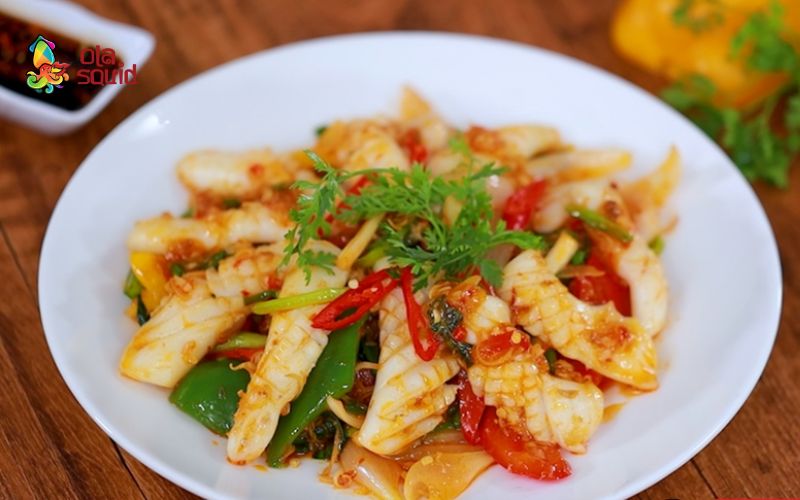
Stir-fried squid with lemongrass and chili
If you are looking for what fresh squid is delicious when stir-fried, stir-fried squid with lemongrass and chili is a simple but highly appetizing recipe. Minced lemongrass creates a characteristic aroma, while chili brings a mild spiciness and makes the dish more attractive.
- Clean the squid, drain it well, and cut it into bite-sized pieces. Mince the lemongrass or slice it thinly, and finely chop the chili.
- After sautéing lemongrass and garlic until fragrant, add the squid and stir-fry over high heat, stirring quickly so the squid becomes evenly firm.
- Next, add the chili and season with fish sauce, sugar, pepper, or a little oyster sauce to taste.
Lemongrass should be sautéed until fragrant before adding the squid so that the essential oils and aroma of the lemongrass blend into the stir-fry oil. If you like it spicy, you can use bird’s eye chili; conversely, bell pepper is a suitable choice if you want a mild spicy taste.

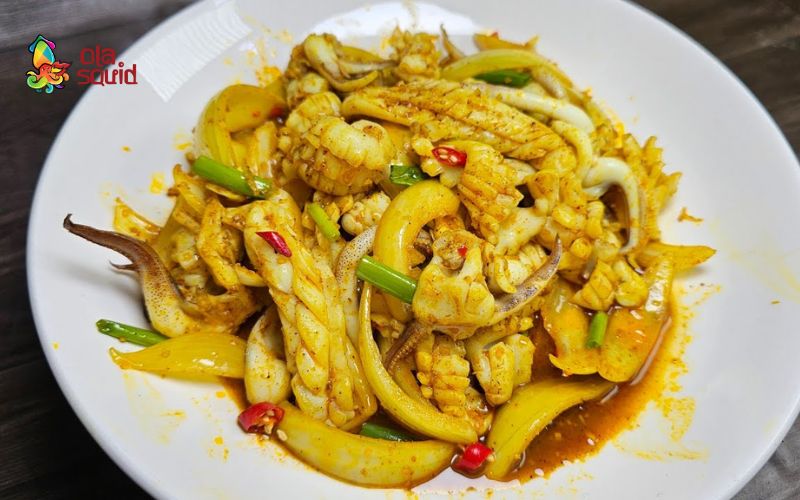
Stir-fried squid with curry, lemongrass, and chili
If you are looking for what to stir-fry with squid to make it the most delicious for a change of taste, you can try stir-fried squid with curry, lemongrass, and chili. Curry powder creates a beautiful yellow color and a characteristic aroma, combining with lemongrass and chili to make the dish spicy, fragrant, and richer.
- After processing, the squid can be marinated with curry powder, a little fish sauce, sugar, and pepper.
- Sauté lemongrass and garlic until fragrant, then add the squid and stir-fry quickly.
- When the squid starts to firm up, add the remaining curry along with sliced chili, stir well so that the spices coat each piece of squid.
Sweet and sour, refreshing stir-fried squid dishes
If you do not like dishes that are too spicy or greasy, you can combine squid with ingredients that have a mild, refreshing sour taste. This group of dishes is easy to eat and suitable for family meals.
Sweet and sour stir-fried squid
Sweet and sour stir-fried squid features a combination of the squid’s natural sweetness with the mild sourness of tomatoes or pineapple and the sweetness of the sauce. Depending on your taste, you can add onion, bell pepper, or cucumber to make the dish richer.
- Clean the squid, cut into rings, and lightly marinate with pepper and a pinch of seasoning.
- The sauce can be made from fish sauce, sugar, ketchup, and a little lemon juice or vinegar.
- When cooking, stir-fry the squid over high heat until just firm, then transfer to a plate.
- Continue to stir-fry the vegetables, then return the squid to the pan and pour in the sweet and sour sauce.
- Toss quickly so the sauce coats everything evenly, then turn off the heat.
Stir-frying the squid separately beforehand helps limit the squid from releasing too much water and becoming chewy.

Stir-fried squid with pineapple
Stir-fried squid with pineapple is a dish with a natural sweet and sour taste, the signature aroma of pineapple, and the crispiness of squid. Pineapple not only helps reduce greasiness but also creates a refreshing flavor, perfect for days when you want a change of taste.
Choose a pineapple that is just ripe, with a balanced sweet and sour taste, then cut it into bite-sized pieces.
- Clean the squid, slice into rings, and drain thoroughly.
- When stir-frying, heat the pan, toss the squid quickly until firm, then remove.
- Continue to stir-fry the pineapple briefly with shallots and garlic.
- When the pineapple starts to release its aroma, return the squid to the pan, season with fish sauce, sugar, pepper, and a bit of chili if desired.
- Just stir for a little longer so the ingredients blend together, then turn off the heat.
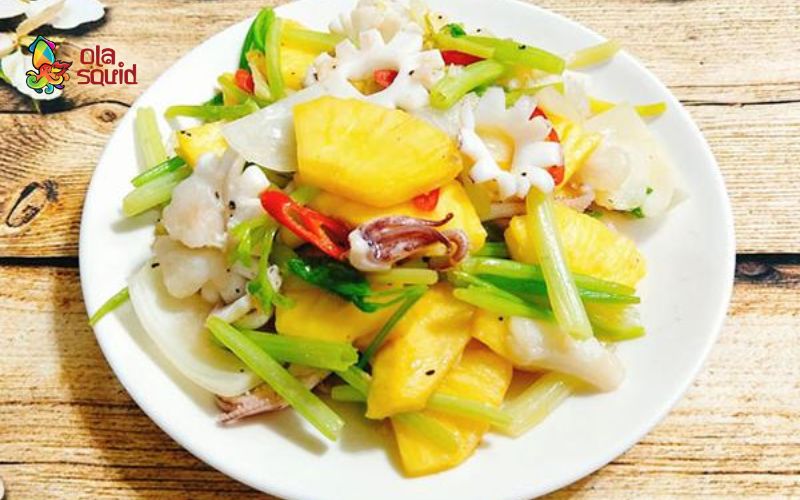
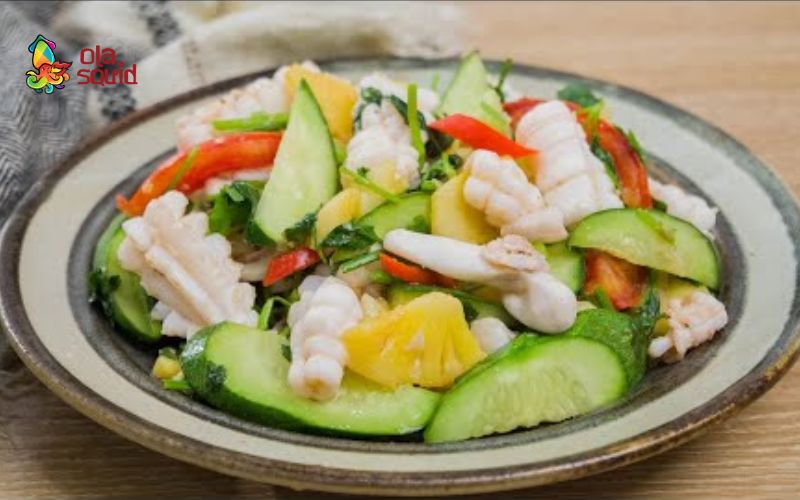
Stir-fried squid with cucumber
Stir-fried squid with cucumber has a refreshing, cool taste, combining crispy-sweet squid meat with juicy cucumber. This is a fairly mild dish, suitable when the meal already has many rich dishes.
Choose young cucumbers with few seeds, wash, and cut them into diagonal slices or bite-sized pieces. After preparing, the squid must be drained thoroughly to limit water in the pan.
- Stir-fry the squid quickly over high heat, then transfer to a plate.
- Next, sauté shallots and garlic until fragrant, add the cucumber and toss quickly, season with a little spice, then return the squid to the pan.
- You can add green onions, celery, or pepper to increase the aroma.
Stir-fried squid with pickled mustard greens
Stir-fried squid with pickled mustard greens is suitable for those who like a mild and rich sour taste. Fermented mustard greens have a signature sour taste, which, when combined with squid, creates a balance of salty, sour, and sweet flavors.
Before stir-frying, pickled mustard greens should be quickly rinsed with clean water and squeezed to remove excess water if they taste too sour or salty. Clean the squid, slice it into bite-sized pieces, and drain well.
- Sauté shallots and garlic until fragrant, then stir-fry the pickled mustard greens first so they firm up and release their aroma.
- Then add the squid and toss quickly over high heat, season with fish sauce, sugar, and pepper.
- When the squid is just cooked, add green onions or cilantro, then turn off the heat.
- If the pickled greens are already salty, adjust the seasoning at the end to avoid making the dish too salty.

Appetizing stir-fried squid with vegetables dishes
Combining squid with vegetables is a simple way to make the dish more diverse. In addition to eye-catching colors, vegetables also add sweetness, crispiness, and help balance the rich flavor of the squid.
Stir-fried mixed vegetables with squid
Stir-fried mixed vegetables with squid is a suitable choice if you want to combine various types of vegetables in the same dish. Commonly used ingredients include carrots, onions, bell peppers, broccoli, mushrooms, or green beans.
Clean the squid, slice it into rings, and stir-fry quickly on its own over high heat. Vegetables that take longer to cook, such as carrots, broccoli, or green beans, can be blanched briefly beforehand. Then, stir-fry the vegetables in order of hardness, and finally return the squid to the pan.
Season with fish sauce or oyster sauce, pepper, and a little sugar to balance the flavor. Do not add too much water because the vegetables may already release water during the stir-frying process.

Stir-fried squid with onion and celery
Stir-fried squid with onion and celery has a mild aroma, the sweetness of onion, and the crispiness of celery. This dish does not use too many seasonings, so it still retains the natural sweetness of the squid.
After cleaning, the squid is sliced into rings and lightly marinated with pepper and a little fish sauce. Cut the onion into wedges, and cut the celery into bite-sized sections.
- Sauté shallots and garlic until fragrant, add the squid, stir-fry quickly, then transfer out.
- Continue to stir-fry the onion until just cooked, then return the squid to the pan along with the celery.
- Adjust the seasoning, toss quickly for a short time, then turn off the heat.
Celery should be added at the final step so the vegetable retains its crispiness and characteristic aroma.
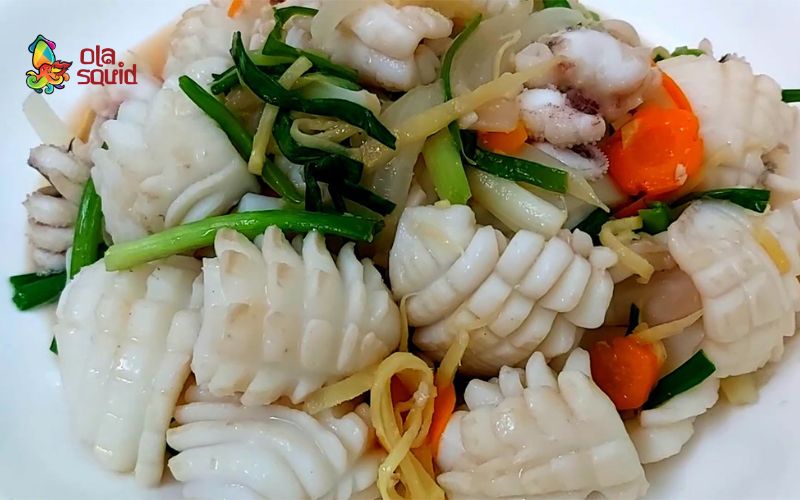
Stir-fried squid with bell pepper
Stir-fried squid with bell pepper has eye-catching colors thanks to the combination of white squid and green, red, or yellow bell peppers. Bell pepper has a mild sweet taste, and is not too spicy, making the dish suitable for the whole family.
Wash the bell pepper, remove seeds, and cut into bite-sized pieces. Clean the squid, slice into rings, and drain.
- Stir-fry the squid first over high heat; once it is just firm, remove it.
- Sauté garlic until fragrant, add the bell pepper and toss quickly, then return the squid.
- You can season with fish sauce, oyster sauce, pepper, and a little sugar. If you prefer a spicy taste, add a few slices of fresh chili to enhance the flavor.
Bell pepper does not need to be overcooked as the slight crispiness of the ingredient makes the dish more delicious.
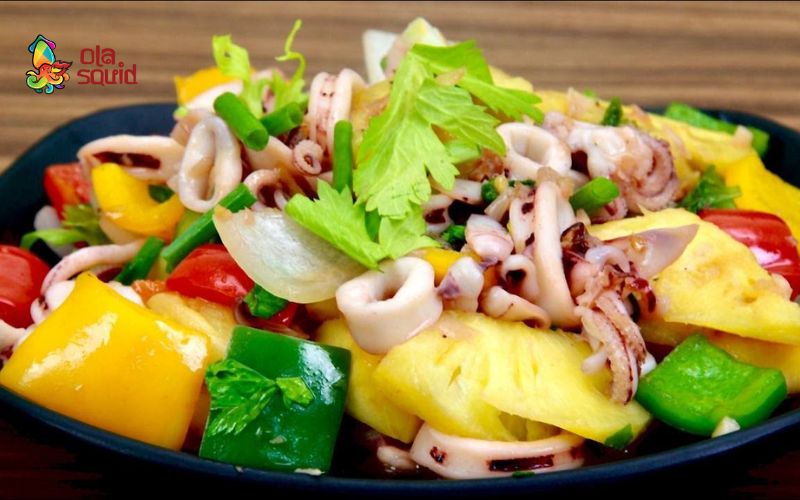
Stir-fried squid with broccoli
Stir-fried squid with broccoli is an easy-to-eat, refreshing dish suitable for family meals. Both green broccoli or cauliflower can be used depending on your preference.
Broccoli should be cut into small florets, washed, and then blanched in boiling water. Then take them out and drain. Clean the squid and slice into bite-sized pieces.
- When cooking, stir-fry the squid quickly over high heat, then transfer out.
- Next, sauté garlic until fragrant, add the broccoli and toss, season with a little seasoning, then return the squid to the pan.
- Stir quickly so the ingredients absorb the flavors, and turn off the heat when the squid is just cooked.

Stir-fried squid with kohlrabi
Stir-fried squid with kohlrabi has a mild sweet taste and the signature crispiness of kohlrabi. This is a fairly refreshing dish but still rich enough when eaten with hot rice.
Peel the kohlrabi, wash, and cut into julienne strips or thin slices. Carrots can be added to create color. Clean the squid, slice into rings, and drain.
- Stir-fry the squid over high heat until just firm, then remove it.
- Continue to stir-fry kohlrabi and carrots, seasoning to taste.
- When the vegetables are almost cooked, return the squid to toss quickly with green onions and pepper.
Kohlrabi should only be stir-fried until just cooked to retain its crispiness, avoid stir-frying for too long which makes the dish soft and watery.
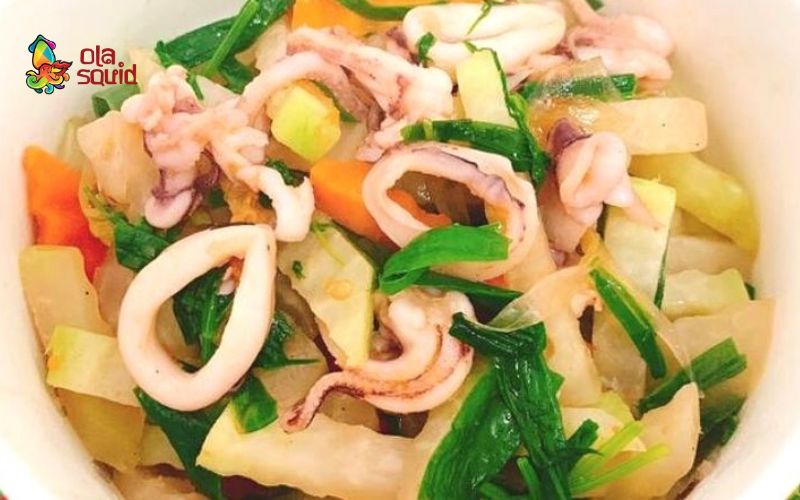
Stir-fried squid with shiitake mushrooms
Stir-fried squid with shiitake mushrooms has the characteristic aroma of mushrooms and the natural sweetness of squid. This dish is suitable for those who do not like spicy flavors or want a lighter stir-fry. If using dried shiitake mushrooms, they need to be soaked until expanded, washed, and squeezed dry before cooking. Clean the squid, slice into bite-sized pieces, and drain.
- Sauté garlic until fragrant, add the shiitake mushrooms to stir-fry first to release their aroma.
- Then add the squid and toss quickly over high heat. Season with fish sauce or oyster sauce, add pepper and green onions, then turn off the heat.
Do not add too much water when stir-frying because the mushrooms already have a certain amount of moisture. Just enough sauce coating the ingredients will make the dish more delicious.
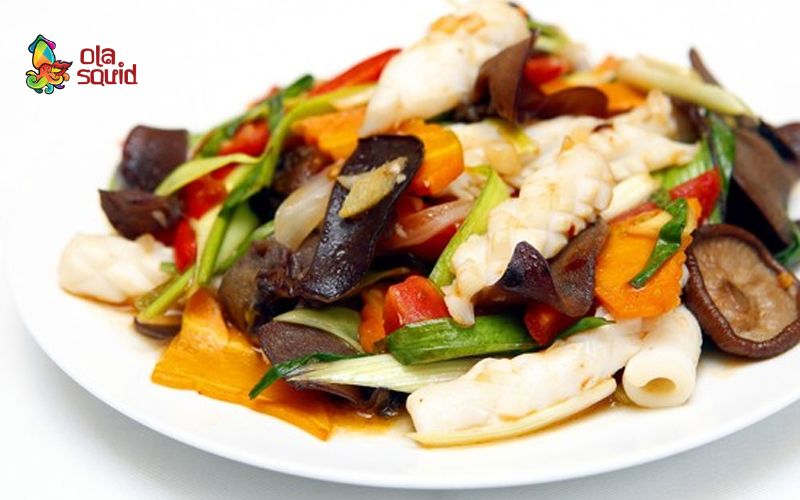
Stir-fried squid with enoki mushrooms
Stir-fried squid with enoki mushrooms has a refreshing flavor, soft mushrooms that still retain a slight chewiness, combining quite harmoniously with the squid meat. You can add onion or carrot to make the dish more colorful.
Cut off the root of the enoki mushrooms, separate them, rinse quickly, and drain. Clean the squid and slice into rings.
- When stir-frying, put the squid into the hot pan first, toss quickly, then remove.
- Continue to stir-fry shallots and garlic, add the enoki mushrooms to toss briefly.
- Return the squid, season, and stir well. When the mushrooms are just cooked, add green onions, then turn off the heat.
Enoki mushrooms cook very quickly, so do not stir-fry for too long, otherwise, the dish will release a lot of water.

Stir-fried squid with luffa
Stir-fried squid with luffa has a sweet, soft, and aromatic flavor. Luffa contains a lot of water, so when cooking, pay special attention to the stir-frying time so the dish does not become mushy.
Peel the luffa, wash, and cut into bite-sized pieces. Clean the squid, slice into rings, and drain thoroughly.
- Stir-fry the squid over high heat until just cooked through, then transfer out.
- Sauté shallots and garlic until fragrant, add the luffa and toss quickly, season with a little spice. When the luffa starts to soften, return the squid to the pan and mix well.
- You can add green onions, pepper, or a bit of cilantro to increase the aroma.

Stir-fried squid with green beans
Stir-fried squid with green beans combines the crispy sweetness of squid with the refreshing and crispy taste of green beans. This dish is simple to make, has easy-to-find ingredients, and is suitable for daily meals.
String the green beans, wash, and cut them if needed. It is recommended to blanch the beans briefly in boiling water and drain to shorten the stir-frying time. Clean the squid, slice into bite-sized pieces.
- Stir-fry the squid quickly over high heat, then remove.
- Continue to sauté garlic until fragrant, add the green beans and toss until just cooked.
- Return the squid, season with fish sauce, pepper, and a little oyster sauce if desired.

Refreshing stir-fried squid with green vegetables dishes
In addition to vegetables, green vegetables such as water spinach, Tonkin jasmine, celery-garlic greens, or bean sprouts are also very suitable for stir-frying with squid. This group of dishes usually has a refreshing taste, is less greasy, and is suitable for a change in family menus.
Stir-fried squid with celery and garlic
Stir-fried squid with celery and garlic has a signature aroma, mild sweetness, and the crispiness of the greens. Celery and garlic greens can be combined with squid or cuttlefish, depending on preference.
Clean the squid, slice into rings, and drain. Wash the celery and garlic greens, cut into sections, keeping the stems and leaves separate if desired.
- Sauté garlic until fragrant, add the squid to stir-fry quickly over high heat, then remove.
- Then add the celery stems to stir-fry first; when almost cooked, return the squid and add the leaves.
- Season with a little fish sauce and pepper, toss quickly, and turn off the heat.
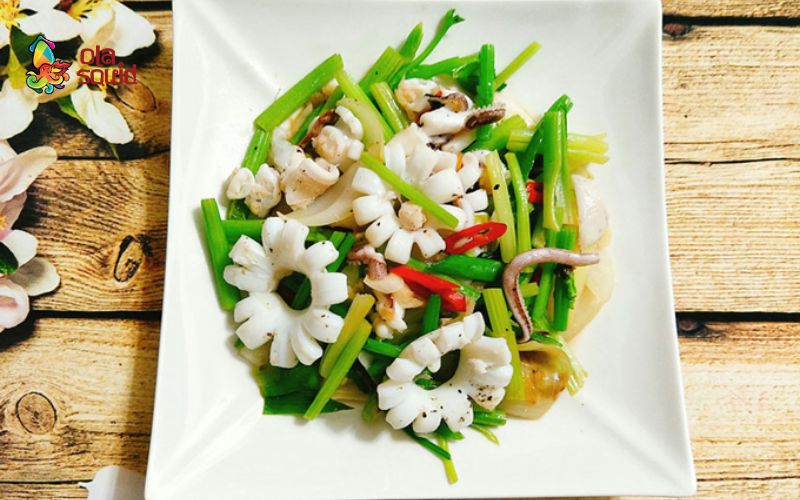
Stir-fried squid with water spinach
Stir-fried squid with water spinach is an easy-to-cook dish, combining crispy-sweet squid with green and crunchy water spinach. Fragrant sautéed garlic is an important ingredient that makes the dish smell more appealing.
Trim off the tough parts of the water spinach, wash, and blanch briefly if desired. Clean the squid, slice into rings, and drain.
- Sauté garlic until fragrant, stir-fry the squid over high heat, then remove.
- Continue to add the water spinach to stir-fry quickly, season to taste, then return the squid to the pan.
- Toss well for a short time, add fried garlic or pepper if desired, and turn off the heat.

Stir-fried squid with Tonkin jasmine
Stir-fried squid with Tonkin jasmine has a mild sweet taste, the characteristic aroma of Tonkin jasmine, and the crispiness of squid. This is a refreshing stir-fry, perfect for days when you want a light meal.
Trim the tough parts of the Tonkin jasmine, wash, and drain. Clean the squid, slice into rings.
- Stir-fry the squid quickly over high heat, then transfer out.
- Continue to sauté shallots and garlic until fragrant, add the Tonkin jasmine and toss quickly.
- When the greens are just wilted, return the squid to the pan, season with fish sauce, pepper, and a little oyster sauce if desired. Toss well and turn off the heat when the greens are just cooked.

Stir-fried squid with lotus rootlet
Stir-fried squid with lotus rootlet stands out with the crispiness of the lotus rootlet and the natural sweetness of the squid. You can combine it with carrots, onions, or celery to give the dish more color.
After preparing, the lotus rootlet should be soaked in clean water with a little lemon to retain its color, then rinsed and drained. Clean the squid, slice into bite-sized rings.
- When stir-frying, stir-fry the squid first over high heat, then remove.
- Continue to add the lotus rootlet and vegetables to toss quickly. When the ingredients are almost cooked, return the squid, season, and mix well.

Stir-fried squid with bean sprouts
Stir-fried squid with bean sprouts is a simple, refreshing dish with a fast cooking time. Bean sprouts have crispiness, a mild sweet taste, helping to balance with the rich flavor of the squid.
Bean sprouts should have their roots removed if needed, washed gently, and drained thoroughly. Clean the squid, slice into rings.
- Sauté shallots and garlic until fragrant, add the squid to stir-fry quickly until firm, then remove.
- Add the sprouts to the pan, toss quickly over high heat, and season with a little fish sauce and pepper.
- Finally, return the squid, mix well for a short time, then turn off the heat.

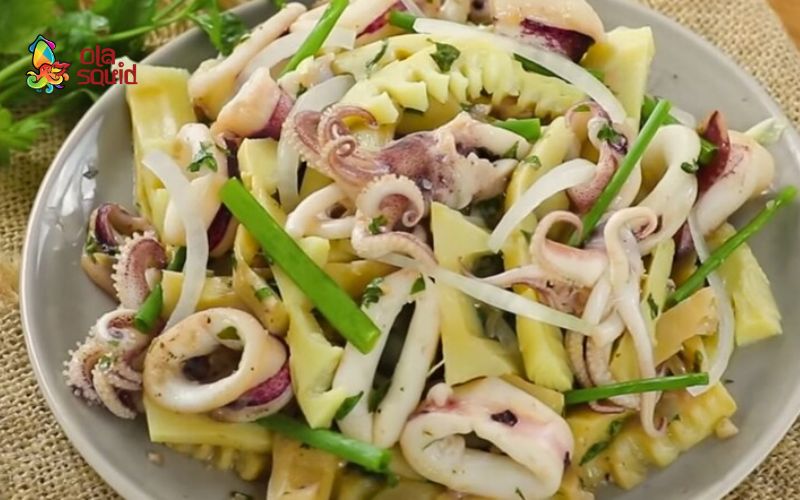
Stir-fried squid with bamboo shoots
Stir-fried squid with bamboo shoots has a rich flavor and an interesting crunch from the bamboo shoots. Depending on your preference, you can use thoroughly prepared fresh bamboo shoots or sour pickled bamboo shoots to create a mild sour taste for the dish.
Bamboo shoots need to be prepared properly according to their type. For fresh bamboo shoots, they should be boiled and the water changed in the usual preparation way before cooking. Sour bamboo shoots can be rinsed and squeezed to remove some water if they taste too sour. Clean the squid, slice into bite-sized pieces, and drain.
- Stir-fry the bamboo shoots with shallots and garlic first so they firm up and smell more fragrant.
- Then add the squid to toss quickly over high heat.
- Season with fish sauce, sugar, pepper, or chili to taste.
Tips for preparing stir-fried squid without being fishy or releasing water
Proper squid preparation not only helps eliminate the fishy smell but also directly affects the crispiness of the squid. Before stir-frying, you should clean the squid, drain it thoroughly, and avoid soaking it in water for too long.
How to clean, remove the ink sac and membrane:
Gently pull the squid’s head away from the body, remove the ink sac and the internal organs. If you want to keep the head whole, you can separate the internal organs and remove the ink sac carefully to avoid puncturing it.
Next, pull out the transparent quill (backbone) of the squid, peel off the outer membrane if necessary, then rinse well. For cuttlefish, you need to clean the cuttlebone and internal organs before slicing.
After preparing, the squid should be drained thoroughly or patted dry with paper towels. This is an important step if you want to limit water during the stir-frying process.

How to deodorize the fishy smell with ginger, alcohol, or lemon:
You can use one of the following methods to reduce the fishy smell:
- Ginger: Crush the ginger, mix with water, and use it to wash or gently rub on the squid.
- White wine: You can use a small amount of white wine combined with ginger for quick prep, then rinse with clean water.
- Lemon: Use a little diluted lemon juice to clean the squid, avoid soaking for too long because the acidity can affect the structure of the squid meat.
After deodorizing, the squid must be drained completely before marinating and stir-frying.
How to marinate squid to absorb flavors while remaining crispy:
Squid does not need to be marinated for too long. You just need to add a moderate amount of fish sauce or oyster sauce, pepper, minced garlic, and seasonings suitable for the recipe, then mix well.
A marinating time of about 10–15 minutes is enough for the squid to absorb flavor. Do not add too much liquid sauce when marinating because the squid will easily release water when encountering heat.
Secrets to stir-frying squid so it is crunchy and not chewy
One of the common problems when cooking squid is that the meat becomes chewy or the pan has a lot of water. The main reasons lie in the temperature, stir-frying time, and how ingredients are combined.
Pan temperature and stir-frying time:
The pan must be heated before adding oil and squid. It is recommended to stir-fry squid over high heat for a short time so the squid’s surface quickly firms up. Squid only needs to be stir-fried until it just turns opaque white, the body is firm and curls slightly, then you can turn off the heat. Stir-frying for too long will make the squid meat lose water and become chewy.
Order of ingredients added to the pan:
Not all ingredients should be added at the same time. You can apply the basic order:
- Sauté shallots, garlic, lemongrass, or aromatic spices until fragrant.
- Add the squid and stir-fry quickly over high heat.
- When the squid is almost cooked, add the vegetables that need more time to cook.
- Finally, add quick-cooking vegetables such as celery, bean sprouts, green onions, or green vegetables.
- Adjust the seasoning, toss quickly, and turn off the heat.
With some watery vegetables like luffa, cucumber, or mushrooms, you should control the amount of ingredients and stir-frying time to avoid the dish becoming too watery.

Common mistakes that make squid chewy or release water:
Some mistakes that can prevent the stir-fried squid dish from reaching the desired crispiness include:
- The pan is not hot enough: Squid does not receive quick heat, easily releases water, and takes longer to cook.
- Stir-frying too much squid at the same time: The pan temperature drops, causing the squid to turn to a boiling state instead of stir-frying.
- The squid is not drained: Water left on the squid’s surface increases the amount of water in the pan.
- Marinating with too many liquid seasonings: Squid easily releases water during the cooking process.
- Stir-frying for too long: This is the most common reason that makes squid meat chewy.
- Adding vegetables too early: Some types of vegetables release a lot of water, making the stir-fry lose its necessary dryness.
With many ways of combining ingredients, the question “what to stir-fry with squid to make it delicious?” is not difficult to answer. From stir-fried squid with sate, lemongrass and chili, sweet and sour to dishes combined with pineapple, bell pepper, mushrooms, water spinach, or Tonkin jasmine, you can flexibly change the menu to make family meals more abundant. When making stir-fried squid dishes, you need to choose quality squid, clean it thoroughly, drain it completely, and stir-fry quickly over high heat.
If you love squid products, you can also refer to the seasoned shredded squid and whole dried squid lines of Ola Squid to enjoy them in suitable preparation ways.