
 Tiếng Việt
 ไทย
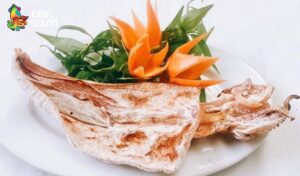
ไทยDried squid is a nutrient-rich food, but for postpartum mothers, especially during the confinement period, adding this dish to the diet should be carefully considered. In fact, many people wonder if they can eat it, and if so, how long after giving birth can you eat dried squid safely.
The article below synthesizes knowledge on how to consume dried squid safely from both nutritional and medical perspectives, helping mothers get a clear, scientific answer rather than relying solely on hearsay.
Can postpartum mothers eat dried squid?
Can you eat dried squid after giving birth? The short answer is: it is possible to eat it, but at the right time and in the right amount. Dried squid is not an absolutely prohibited food for postpartum mothers.
Squid is a source of protein, minerals, and fatty acids that are valuable for the body during the recovery phase. The issue is that dried squid differs from fresh squid in many important ways, and the period immediately after childbirth is when the mother’s body is very sensitive to foods that are “cold” in nature, have high salt content, or contain preservatives.
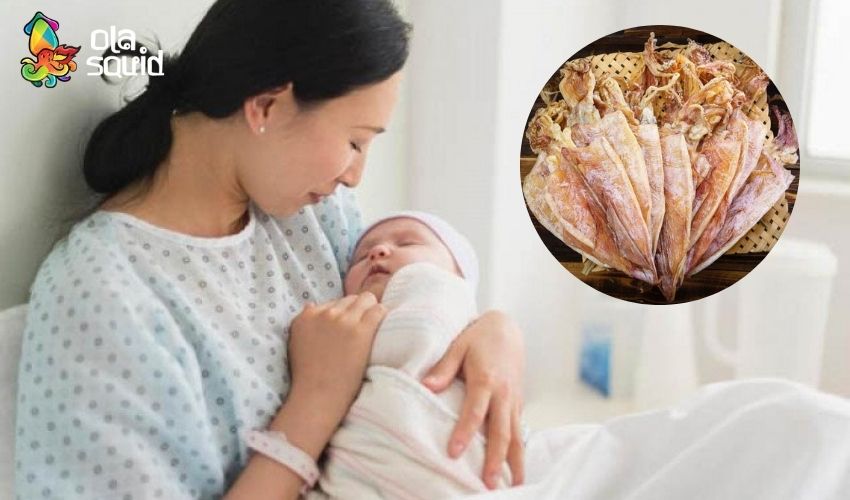
According to modern medical perspectives, there is no recommendation to completely forbid eating squid after giving birth. However, many obstetricians and nutritionists recommend that mothers wait until the end of the initial confinement period, usually 4 – 6 weeks, before introducing dried seafood into their diet. This is especially important when wounds (C-section or episiotomy) have not fully healed.
Traditional folk wisdom in Vietnam often advises mothers to avoid seafood, especially “cold” seafood like squid, for at least the first month after birth. Although not entirely based on solid scientific evidence, this advice stems from observed facts: the postpartum mother’s digestive system is often weaker, and “cold-natured” foods can cause bloating, indigestion, and diarrhea, which are not beneficial for the postpartum recovery process.
Nutritional value of dried squid for postpartum health
Dried squid is a nutrient-dense food because the drying process removes water while retaining most of the nutrients, even in higher concentrations per unit of weight compared to fresh squid. This is why dried squid is valued by many Asian culinary cultures as a nutritious traditional food.
Provides protein, calcium, iron, zinc, and selenium
In 100g of dried squid, there are about 60 – 70g of protein, which is an extremely high level compared to most common foods. Protein is the foundation for the mother’s body to regenerate tissues, heal wounds, and produce milk. Besides that:
- Calcium: Supports the mother’s skeletal system during breastfeeding, when calcium from the mother’s body is mobilized to produce milk.
- Iron: Helps compensate for the blood lost during childbirth and prevents postpartum anemia, a very common issue among postpartum mothers.
- Zinc: Supports the immune system and speeds up wound healing.
- Selenium: An important antioxidant that supports thyroid function.
Omega-3 supports the brain of mother and baby
Squid contains omega-3 fatty acids, especially DHA and EPA. For breastfeeding mothers, DHA from the mother’s diet is transferred into breast milk, supporting the brain and visual development of the infant during the most critical stage. For the mother herself, omega-3 also helps stabilize mood and supports cognitive function during periods of frequent sleep deprivation and stress.
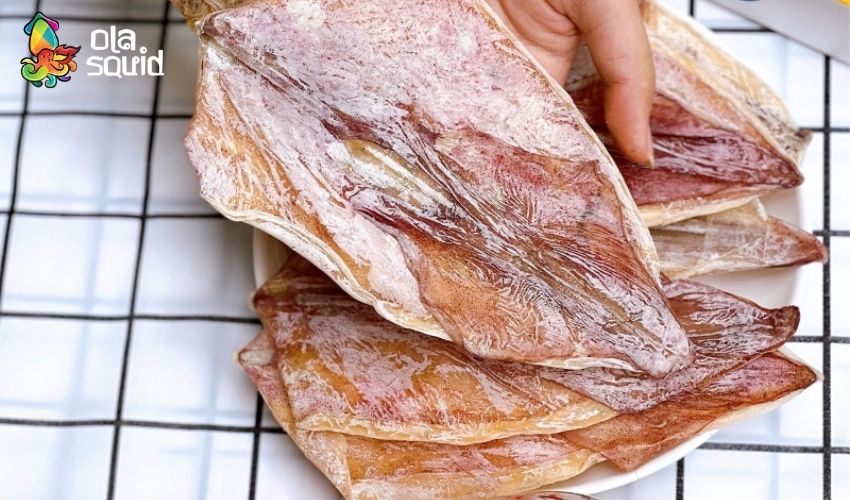
Dopamine helps prevent postpartum depression
Squid is one of the few foods that contains tryptophan, a precursor to serotonin, which is associated with mood improvement. Simultaneously, the tyrosine content in squid supports the synthesis of dopamine. This is a type of neurotransmitter that helps create a sense of excitement and reduces the risk of postpartum depression, a condition that affects about 10 – 15% of mothers according to statistics from the World Health Organization (WHO).
Copper supports red blood cell formation, preventing anemia
Dried squid has a significant copper content, a mineral necessary for hemoglobin synthesis and red blood cell production. Combined with iron, copper helps the postpartum mother’s body recover faster after blood loss, which is especially important for C-section mothers.
How long after giving birth can you eat dried squid?
This is the central question that every postpartum mother wants to know – and the answer is not a single number that applies to everyone. The appropriate time depends on the delivery method, the mother’s recovery status, and whether the mother is breastfeeding.
Natural birth: how long after giving birth can you eat dried squid?
For mothers who have a natural birth without complications, the recovery process is usually significantly faster than a C-section. The perineum, if stitched, usually heals within 2 – 3 weeks, and the mother’s digestive system also returns to normal after 3 – 4 weeks.
General recommendation for natural birth mothers:
- Week 1 – 4: Should avoid dried squid completely, as this is the stage when the mother’s body is still weak, the digestive system is unstable, and the uterus is contracting. Focus on easily digestible, warm foods.
- Week 4 – 6: Can begin to try a small amount of thoroughly cooked dried squid such as dried squid stir-fried with glass noodles, dried squid stir-fried with kohlrabi, or sweet and sour stir-fried dried squid… in amounts of 30 – 50g/serving, and observe the body’s reaction.
- After 6 weeks: If there are no abnormal reactions, you can eat dried squid at a frequency of 1 – 2 times/week, not exceeding 50 – 80g per time.
C-section: how long after birth can you eat dried squid?
C-section mothers need a significantly longer recovery time because the abdominal incision needs 6 – 8 weeks to fully heal on the skin surface, and longer for the deeper tissue layers. During this stage, foods that are “cold-natured,” difficult to digest, or potentially allergenic should be limited to avoid affecting the incision healing process.
Recommendation for C-section mothers:
- Week 1 – 6: Absolutely avoid dried squid. The digestive system after surgery needs more time to recover due to the effects of anesthesia. High-salt foods like dried squid can also cause fluid retention, affecting postoperative edema.
- Week 6 – 8: Can begin to try a very small amount of 20 – 30g of thoroughly cooked dried squid, combined with warm ginger.
- After 8 weeks: If the incision has healed well and there are no abnormal symptoms, you can eat it at a normal frequency like mothers who had a natural birth.
Note: The above timeframes are for reference only. Every mother has a different physical condition; always consult an obstetrician or nutritionist before changing your postpartum diet.
Breastfeeding mothers: does eating dried squid affect milk?
The answer is: it is possible to eat it, but it is necessary to control the amount and choose clean squid.
The food a mother eats affects the composition of breast milk, and nutrients from the mother’s diet can enter the milk. Regarding dried squid:
- Beneficial point: DHA, omega-3, and protein from squid can enter breast milk and are beneficial for the nursing infant.
- Cautionary point: Dried squid has a high salt content, so eating too much can affect the electrolyte composition in the milk. Additionally, some sensitive infants may react to seafood protein through breast milk.
- Recommendation: Do not eat more than 50g of dried squid/serving and no more than 2 times/week. Observe the baby after each time you eat; if the baby shows signs of unusual fussiness, skin rashes, diarrhea, or refuses to nurse, stop and consult a doctor.
Why should postpartum mothers not eat dried squid during the confinement period?
Even though dried squid has many good nutrients, the confinement period is a time that requires extra caution. There are four main reasons why most experts advise mothers to wait through this period.
Dried squid is “cold-natured” and affects digestion
According to traditional medicine, squid (both fresh and dried) is classified as a “cold-natured” food, meaning it tends to cool the body. During the postpartum period, the mother’s body needs to be kept warm to support uterine involution and energy recovery. “Cold-natured” foods can cause bloating, flatulence, and diarrhea, digestive problems that postpartum mothers are already prone to.
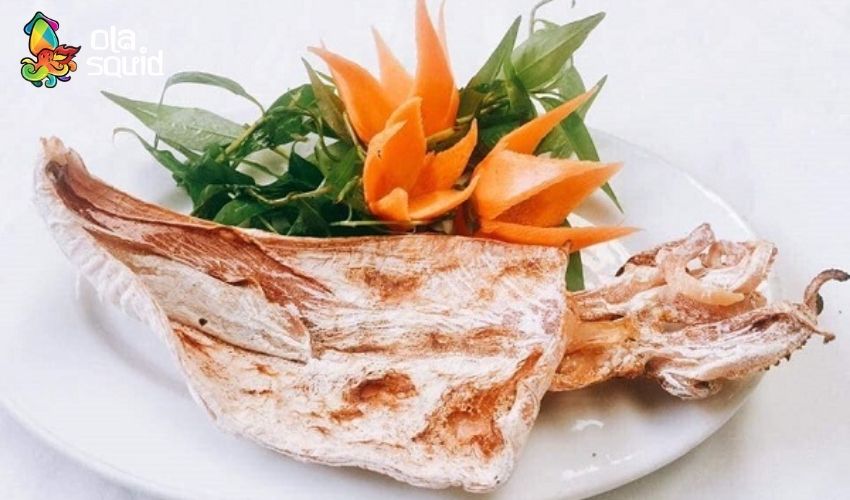
High salt content in dried squid
100g of dried squid can contain up to 1,500 – 2,000mg of sodium, almost equal to the recommended daily sodium intake for a normal adult. For postpartum mothers who are prone to edema, eating a lot of salt can worsen fluid retention and increase pressure on the circulatory system.
Risk of containing chemicals and preservatives
Not all dried squid on the market is sun-dried naturally. Some low-quality products may be treated with bleaching agents (hydrogen peroxide), sulfites to prevent mold, or other preservatives. For postpartum mothers, and especially breastfeeding mothers, these substances can cause irritation or enter the milk, affecting the baby’s health.
Cadmium content – attention needed for breastfeeding mothers
Squid has the ability to accumulate cadmium, a heavy metal from the marine environment. For healthy adults eating a normal amount, this is not a major issue. However, for breastfeeding mothers, cadmium can enter the breast milk and affect the baby’s neurological development if it accumulates over time. This is why health organizations such as the FDA and EFSA recommend limiting the consumption of seafood with a high risk of heavy metal accumulation during the breastfeeding period.
What should you keep in mind when eating dried squid after giving birth?
Once the confinement period is over and you are allowed to eat dried squid, you need to grasp the following principles to ensure safety for both mother and baby.
- Maximum weekly intake: No more than 100 – 150g of dried squid/week, equivalent to 2 servings of 50 – 80g each. This is a safe level for postpartum women without underlying medical conditions.
- Do not eat for many consecutive days: Even if you love it, do not eat dried squid for more than 2 consecutive days. The gap between servings helps the body process and eliminate sodium and substances that may accumulate.
- Choose clean, chemical-free dried squid with a clear origin: This is the most important factor; dried squid from reputable sources, sun-dried naturally and without preservatives, will be much safer than “floating” goods.
- Observe the baby’s reaction if breastfeeding: After each time you eat dried squid, monitor the baby for 24 – 48 hours. Signs to look out for: the baby is fussier than usual, develops rashes, has diarrhea, refuses to nurse, or sleeps less.
- Signs to stop immediately: If you experience itching, hives, diarrhea, abdominal pain, or the baby has an abnormal reaction after you eat it, you must stop immediately and consult a doctor if the symptoms persist.
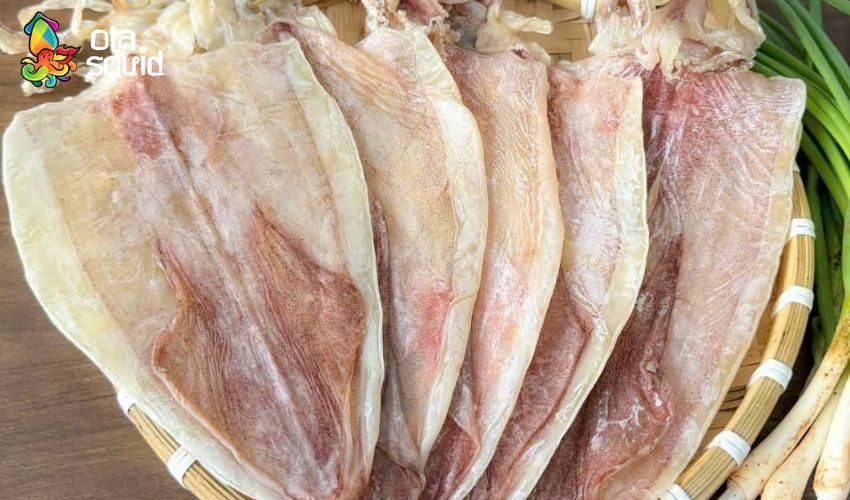
Fresh squid vs. dried squid – which is better for postpartum mothers?
Whether fresh squid or dried squid is better for postpartum mothers will depend on the stage and the mother’s nutritional goals.
| Criteria | Fresh squid | Dried squid |
| Protein content | About 15 – 18g/100g | About 60 – 70g/100g |
| Sodium content | Significantly lower | Very high (1,500 – 2,000mg/100g) |
| Cold nature | Yes, but milder | Higher (increases after drying) |
| Easy to digest | Easier when cooked | Harder, requires careful preparation |
| Chemical risk | Lower if bought fresh | Higher if the product is poor quality |
| Suitable postpartum time | After 4 – 6 weeks (natural birth) | After 6 – 8 weeks or longer |
| Suitable for baby via breast milk | Better | Need to be more cautious about sodium |
Thus, fresh squid, thoroughly cooked such as steamed or lightly stir-fried with ginger, is a safer and more suitable choice in the early postpartum period. Dried squid should be introduced into the diet later and in controlled amounts.
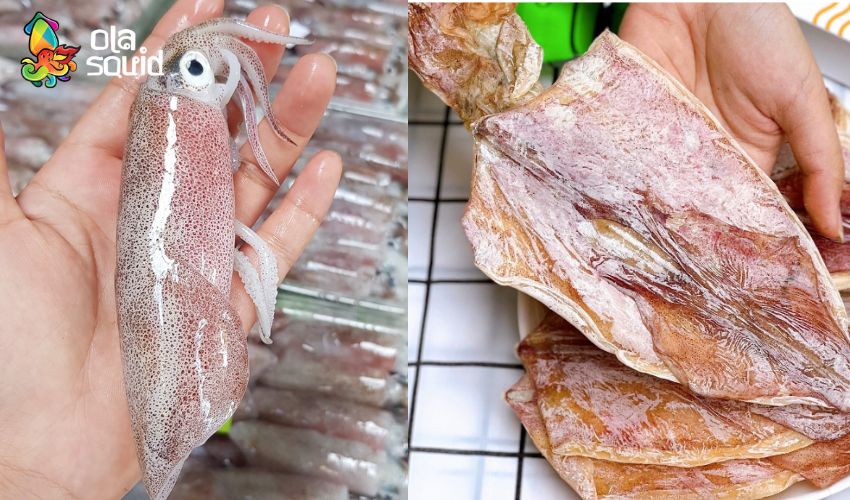
How to choose safe dried squid for postpartum mothers
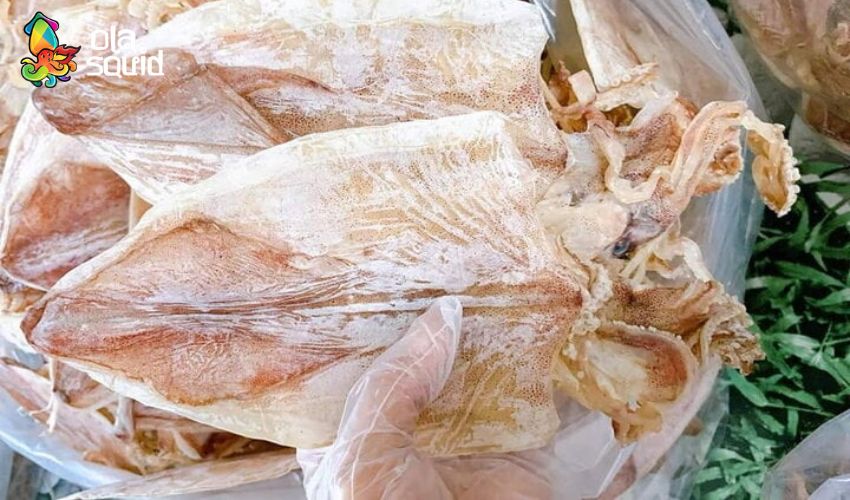
If you have passed the confinement period and want to eat dried squid, you need to know how to choose quality, clean dried squid. Criteria to check when buying include:
- Natural color: Light yellow or light brown, with a natural thin white powdery layer on the outside. Avoid squid that is overly uniform in white or unnaturally deep yellow as these are signs of chemical treatment.
- Scent: Typical pleasant scent of dried seafood, no chemical odor, sulfur smell, or ammonia odor.
- Clear origin: Buy from establishments that specify the fishing area, drying method, and absence of preservatives.
- Prioritize line-caught, naturally sun-dried squid: Line-caught squid is less damaged and does not require chemical treatment for preservation, making it safer than mass-trawled squid.
Ola Squid specializes in providing quality dried squid, naturally sun-dried without preservatives – this is a choice trusted by many postpartum mothers when they need a source of dried seafood with clear traceability.
>>>Explore our collection of whole dried squid from Ola Squid.
Dishes from squid good for postpartum mothers
Once the confinement period is over and you are allowed to eat squid, the preparation method is equally important. Postpartum mothers should prioritize dishes that are thoroughly cooked, combined with ginger to warm the stomach, provide antibacterial benefits, and reduce the “cold” nature of squid, avoiding raw or undercooked dishes.
Stir-fried squid with ginger
This is a simple dish, quick to cook, and suitable for postpartum mothers to start introducing squid into their diet. Ginger is a food that neutralizes the cold nature of squid, making the dish significantly easier for the mother’s weak digestive system to digest.
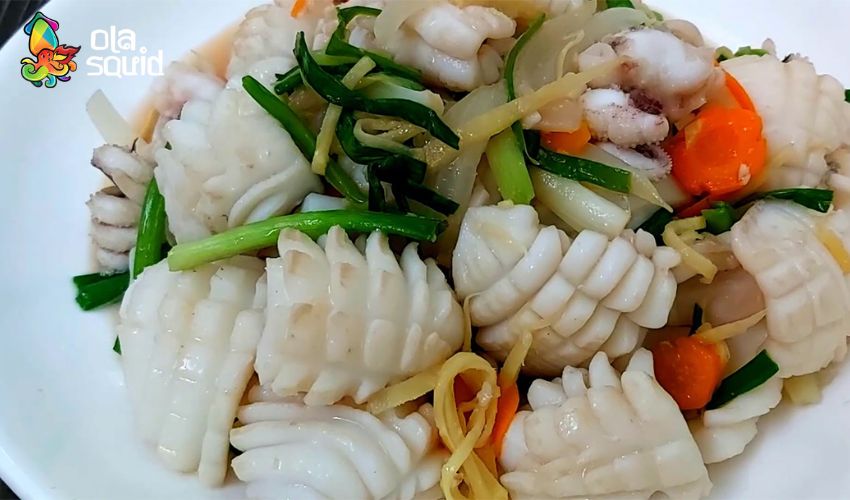
Ingredients:
- 200g fresh cuttlefish
- 1 carrot
- 30g fresh ginger
- 3 stalks of green onion
- 1 tablespoon oyster sauce
- 1/2 tablespoon sugar
- 1/2 tablespoon fried garlic oil
- 1 tablespoon cooking oil
- 1/2 teaspoon fish sauce
- Spices: Ground pepper, seasoning powder
Preparation:
- Clean the squid, score crosswise to create a pattern, then cut into bite-sized pieces and marinate with garlic oil and seasoning powder.
- Peel and slice the carrot into flower shapes; cut the onion into wedges; peel and julienne the ginger, and cut the green onions into short pieces.
- Mix the stir-fry sauce including: oyster sauce, sugar, fish sauce, and a little seasoning powder; stir well until dissolved.
- Heat the cooking oil, stir-fry the carrots and onions over medium heat, then add the squid and stir quickly over high heat.
- Pour in the sauce, add the ginger and green onions, stir for another 2 minutes until the squid is just cooked, then sprinkle with pepper and turn off the heat.
Steamed squid with ginger and green onion
Fresh squid steamed with ginger and green onion is the best way to retain maximum nutrients, with little fat, ideal for mothers in the recovery stage.
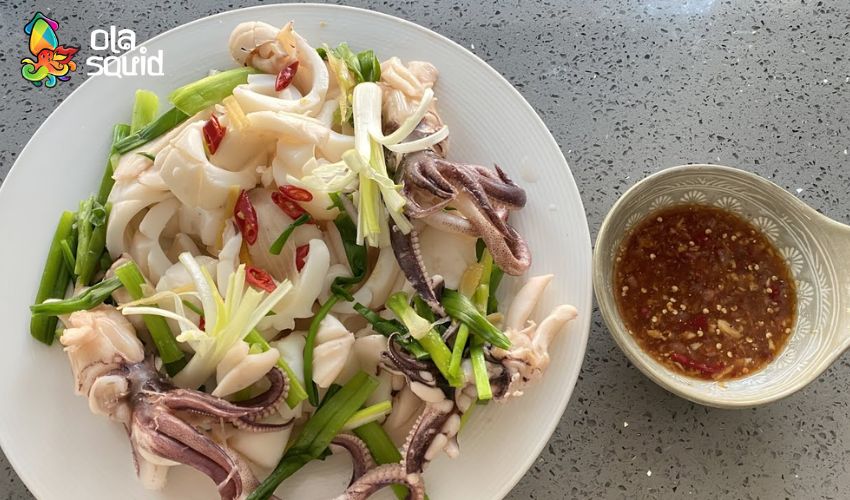
Below are the details of ingredients and how to make steamed squid with ginger and green onion:
Ingredients:
- 300g fresh squid
- 70g ginger
- 100g onion (1 bulb)
- 100g carrot (1 bulb)
- 2 fresh chili peppers
- 50g green onions and celery
- 1 fresh lime
- 20ml white wine
- 3 tablespoons fish sauce
- 2 tablespoons sugar
- 1 teaspoon seasoning powder
- 1/2 teaspoon pepper
- 1 teaspoon salt
Preparation:
- Remove the fishy smell of the squid with white wine, then cut into bite-sized pieces and marinate with spices for 20 minutes.
- Julienne the ginger and carrots, cut the onion into wedges, and cut the green onions and celery into short segments.
- Crush the ginger and chili, then mix with lime juice, sugar, and fish sauce to create a sweet and sour dipping sauce.
- Place the vegetables at the bottom of a deep plate, lay the squid on top, and cover with a layer of green onions and celery.
- Steam the plate for about 15 minutes to let the squid retain its natural crisp sweetness and fragrance.
Squid porridge
Squid porridge is both nutritious and easy to digest, especially suitable in the first weeks when mothers are just allowed to eat squid.
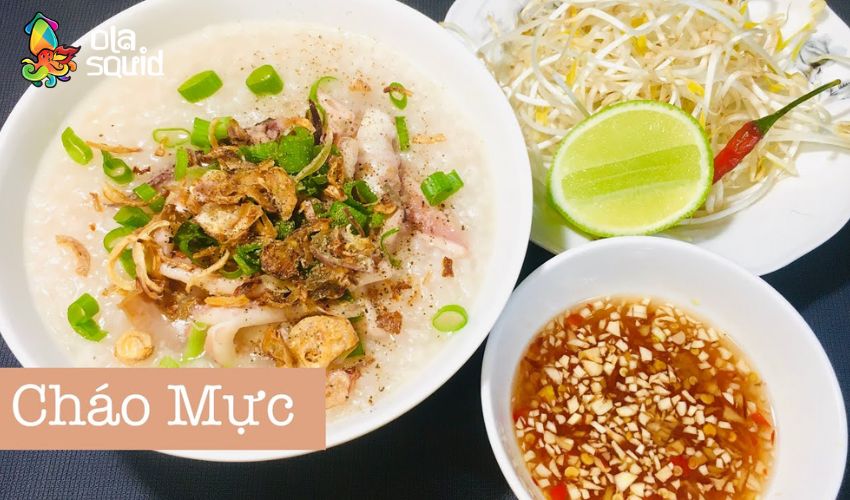
INGREDIENTS
- 1 dried squid (50g)
- 100g white rice
- 50g glutinous rice
- 300g pork bone
- 20g dried shrimp
- 100g pork blood cake
- 1 small piece of ginger
- 3 shallots
- 100g bean sprouts
- Green onions, cilantro, white wine
- Spices: 1 tablespoon fish sauce, 1 teaspoon sugar, 1/2 teaspoon pepper, 1 teaspoon seasoning powder, 2 tablespoons cooking oil.
PREPARATION
- Soak the squid in wine and ginger until soft, then shred it. Lightly toast the white and glutinous rice for a better aroma.
- Simmer pork bones to get a clear broth, then add the toasted rice and cook over low heat until the grains are evenly puffed.
- Sauté minced shallots until fragrant, add the dried squid and dried shrimp, then stir-fry with a little fish sauce and sugar for flavor.
- Add the stir-fried squid and pork blood cake into the porridge pot, stir gently, and season to taste.
- Place bean sprouts in a bowl, pour in the hot porridge, then sprinkle with shredded ginger, herbs, and pepper to enhance the flavor.
FAQ
Does eating dried squid cause loss of breast milk?
No. There is no scientific evidence that dried squid causes loss of breast milk. Milk supply depends primarily on the frequency of breastfeeding and the amount of water the mother drinks daily. However, eating too much dried squid can cause mild dehydration, indirectly affecting milk supply if the mother does not supplement enough water.
Does dried squid affect a C-section incision?
Dried squid does not directly harm the incision. However, the high salt content can cause fluid retention and mild edema at the incision area, slowing down the healing process. Some people also have an allergic predisposition to seafood, which can cause itching at the incision site. Therefore, it is best to wait until the incision has fully healed, usually after 6 – 8 weeks, before eating dried squid.
Can a mother allergic to seafood eat dried squid after giving birth?
Should not. If the mother has a history of seafood allergies, dried squid still contains allergenic proteins even after being dried. Postpartum allergic reactions can be more severe because the mother’s immune system is in a special state. It is necessary to consult an allergist before trying any type of seafood.
Can the baby be allergic through breast milk if the mother eats dried squid?
It can happen, although not common. Proteins from seafood can enter breast milk and cause reactions in sensitive infants. Signs of allergy in the baby to monitor: redness around the mouth or all over the body, diarrhea, frequent vomiting, or unusual fussiness after nursing. If these signs are seen, stop eating squid and take the baby to a pediatrician.
In summary, how long after giving birth you can eat dried squid depends heavily on the delivery method and each person’s recovery speed. Mothers, please be patient during the confinement period and only eat dried squid when the digestive system has truly stabilized. If you are looking for a source of naturally caught, chemical-free dried squid for nourishment, don’t forget to buy it at Ola Squid to ensure it is free from preservatives or heavy metals that could harm the mother and baby.
Reference sources: