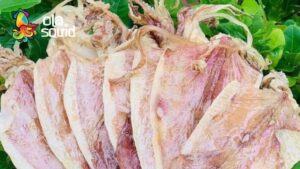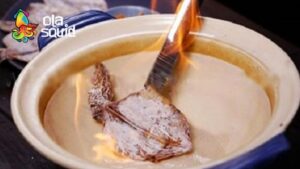
 Dried squid
 Flattened dried squid
 Seasoned Shredded Squid
 Dried squid snack

 Tiếng Việt
 ไทย
Looking at dried squid images posted on e-commerce platforms, many people are still confused about which is delicious, and which has been stored for a long time or chemically treated. In this article, Ola Squid will compile images of popular types of dried squid, pointing out the characteristics of delicious squid through color and shape to reduce risks when buying online.
Real-life images of popular types of dried squid
Dried squid on the market does not have just a single shape; each type of squid, when dried, will yield a different shape, thickness, and color. Distinguishing these types through images helps buyers quickly compare them with the shop’s product photos, avoiding confusion between types with widely differing prices.
In general, the difference between types of dried squid is most clearly shown in three factors: body shape, meat thickness, and color shade after drying or dehydrating. Below are the identifying characteristics through photos of each of the most popular types.
Images of dried squid tubes
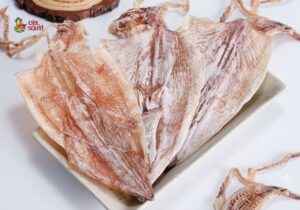
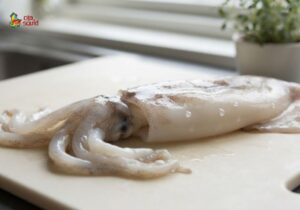
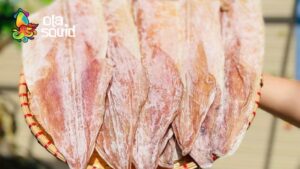
Squid tubes when dried have a long, slender body like a cylindrical tube, with a head smaller than the body and short fins located near the tail. Through images, this type usually has a pinkish-white to ivory-white color, with a thin skin clinging closely to the body. If dried in sufficient sunlight, a thin layer of white powder will appear evenly covering the outside – this is also the most popular type of dried squid on the market today.

Images of dried cuttlefish
Cuttlefish when dried has a rounded, flatter body compared to squid tubes, due to the hard internal cuttlebone that creates a characteristic flatness in photos. The color of dried cuttlefish is usually yellowish-brown, darker than squid tubes, with a significantly thicker body and larger size when placed side by side.

Images of dried bigfin reef squid
Bigfin reef squid when dried is most easily recognized in images thanks to its flat, wide body shaped like a leaf, with the body edge almost completely surrounded by fins. The meat of bigfin reef squid when dried has moderate thickness, ivory-white color, and fewer brown spots on the surface compared to other types.

Images of one-sun-dried squid
One-sun-dried squid is squid that has only been dried under the sun once, not completely dried like traditional dried squid. In photos, this type has a light color, the body is still slightly plump and moist, and the surface shines with a slight gloss instead of being completely dry and hard like multi-sun-dried squid.

See also: How much is one-sun-dried squid per kg? Price list & reputable buying places 2026
Images of dried purpleback squid
Dried purpleback squid is large in size, with a body that is significantly thicker and shorter than normal squid tubes, and the surface when dried usually has a characteristic brown, black-blended, or dark gray color. Purpleback squid has a fleshy body and quite thick meat fibers, so it is noticeably chewy after being dried. However, despite the thick meat, this type of squid does not have the delicate sweet taste and characteristic aroma of some other types of squid. Therefore, dried purpleback squid usually has a lower price on the market.

How to identify delicious dried squid through images
Just by carefully observing the photos, buyers can evaluate to some extent the quality of dried squid before placing an order, without necessarily having to touch it by hand. A clear, well-lit photograph will display the color, texture, and integrity of the squid body, the three most important factors when assessing quality through images.

The characteristics of delicious dried squid are clearly shown through images:
- Natural pinkish-white or ivory-white color, with no abnormally patchy areas.
- White belly, light pink back, with a few small black dots possible – this is the natural color of fresh squid when dried.
- Intact body, not excessively broken, torn, or warped.
- The head and tentacles are firmly attached to the body, with no signs of detachment or looseness.
- White powder (if any) is thinly and evenly spread across the body, not clumped into patches.
- Moderately thick body, not too thin or flat due to heat pressing or over-drying.
Images of low-quality dried squid to watch out for
Contrary to delicious squid, low-quality or stale dried squid often reveals quite a few abnormal signs right in the photos, which can be recognized with careful observation. This is the part that buyers need to pay special attention to because it is directly related to health when consumed.
For products stored for a long time or kept improperly, signs of spoilage usually appear on the color and surface of the squid body first, before spreading to the entire squid if not handled in time.

Warning signs to watch out for when looking at dried squid photos:
- Abnormally dark yellow or blackish-gray color, unevenly patchy across the body.
- Green mold spots or white mold appearing in clusters, totally different from the thin, even natural powder layer.
- Crumbled or torn body in multiple places, with signs of crushing during transport.
- Oil slick marks or an abnormally greasy surface, not the natural gloss of the squid skin.
- Foul odor, completely different from the characteristic salty smell of dried squid (if the seller describes it along with the photos).
- Loose head and tentacles or those detached from the body, signs of squid stored for too long or kept improperly.
How to distinguish real and fake dried squid through images
Some counterfeit products on the market are faked by soaking in chemicals or using other ingredients to create shapes similar to real dried squid. Carefully observing the 4 factors below before buying will significantly reduce the risk of mistakenly purchasing fake dried squid.

| Criteria | Real dried squid | Suspected fake/low-quality dried squid |
| Color | Natural pinkish-white or ivory-white | Abnormally uniform white, with bluish tint or intense yellow |
| Body grain | Natural meat grain, not perfectly uniform | Too uniform, signs of mold pressing |
| Shape | Slightly curved naturally along the squid body | Too straight, perfectly flat as if pressed |
| Dorsal ridge | Naturally prominent ridge, running clearly along the body | Faint or unclear ridge, abnormally smooth body |
If the product photos show signs of deviating from the above criteria, buyers should ask the seller carefully or request additional close-up photos and real-life videos before making a decision to order.
Tips for choosing delicious dried squid when buying online – How to look at photos correctly?
When buying dried squid online, product images are almost the only basis for evaluation before receiving the goods, so knowing how to read photos correctly will help limit receiving goods that do not meet expectations. Many consumers only look at the cover photo and ignore small details, making them easily fooled by illustration photos that are not true to reality.

In addition to observing the squid body characteristics, how the shop presents product photos also somewhat reflects the seller’s credibility. Below are some specific tips when viewing photos before buying:
- Prioritize shops with real photos, including close-up photos of the squid body, rather than just using illustrative photos taken from other sources.
- Check additional actual review photos from previous buyers, comparing them with the main product photos posted by the shop.
- Request a short video if the photo is not clear enough, especially for large orders or purchases as gifts.
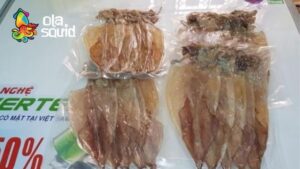
- Read carefully the description accompanying the photos; reputable shops usually clearly state the type of squid, size (number of pieces/kg), and packaging date.
- Avoid photos with excessive color editing, where the dried squid has an abnormally bright white color compared to its natural color.
At Ola Squid, product images on olasquid.com/en are taken directly from actual dried squid being sold, without any color editing that would distort the product compared to the received goods. Customers can compare the product photos with the criteria for identifying delicious dried squid mentioned above to feel more secure before ordering at Ola Squid.
See also: How to choose delicious dried squid properly according to fishermen’s experience
Frequently asked questions about dried squid images
Is it normal for dried squid to have white powder?
Yes. A thin layer of white powder, evenly covering the dried squid body, is a natural phenomenon during the drying or dehydrating process, not a sign of spoilage or mold.
Is red-colored dried squid dyed?
Not really. Some types of squid, especially cuttlefish or purpleback squid dried for a long time, can naturally turn reddish-brown due to the oxidation process. If the red color is too bright and abnormally even across the entire body, buyers should ask about its origin carefully before purchasing.
Is dried squid more delicious the whiter it is?
No. Delicious dried squid usually has a natural pinkish-white or ivory-white color, not an abnormally bright white. Squid that is too uniformly white, with a slight bluish tint, may be a sign of bleaching or excessive photo editing.
Can you distinguish between squid tubes and cuttlefish by looking at photos?
It is possible to distinguish them by body shape. Squid tubes have a long, slender body like a cylindrical tube, while cuttlefish has a rounded, flatter body due to the hard cuttlebone inside; in photos, you will clearly see its flatness and larger size compared to squid tubes.
Dried squid images of various types above hope to help you easily recognize delicious squid, avoiding buying low-quality goods when choosing to buy online. If you are looking for quality dried squid with transparent product images that match the actual received goods, you can refer to more at olasquid.com/en.