 Dried squid
 Flattened dried squid
 Seasoned Shredded Squid
 Dried squid snack

 Tiếng Việt
 ไทย
Vietnam boasts a long coastline along with numerous fishing grounds, creating favorable conditions for developing the dried squid processing craft in many localities. Each coastal region features its own harvesting characteristics, raw material sources, and sun-drying methods, contributing to the diversity in size, thickness, and flavor of the finished product. If you are researching vùng biển mực khô ngon, you can refer to the famous locations that Ola Squid has synthesized below, thereby easily choosing products that suit your usage needs.
8 coastal regions with renowned delicious dried squid
From the northern coastal areas to the central fishing grounds and southern islands, many localities are well-known to consumers for their abundant seafood sources and characteristic dried squid products. Below are 8 notable locations to consider when looking to buy delicious dried squid.
Northern coastal region: Co To and Van Don (Quang Ninh)
Co To and Van Don are two famous coastal locations in Quang Ninh, where local residents have a tradition of harvesting and processing seafood. The squid source here is used to make dried squid with various sizes.
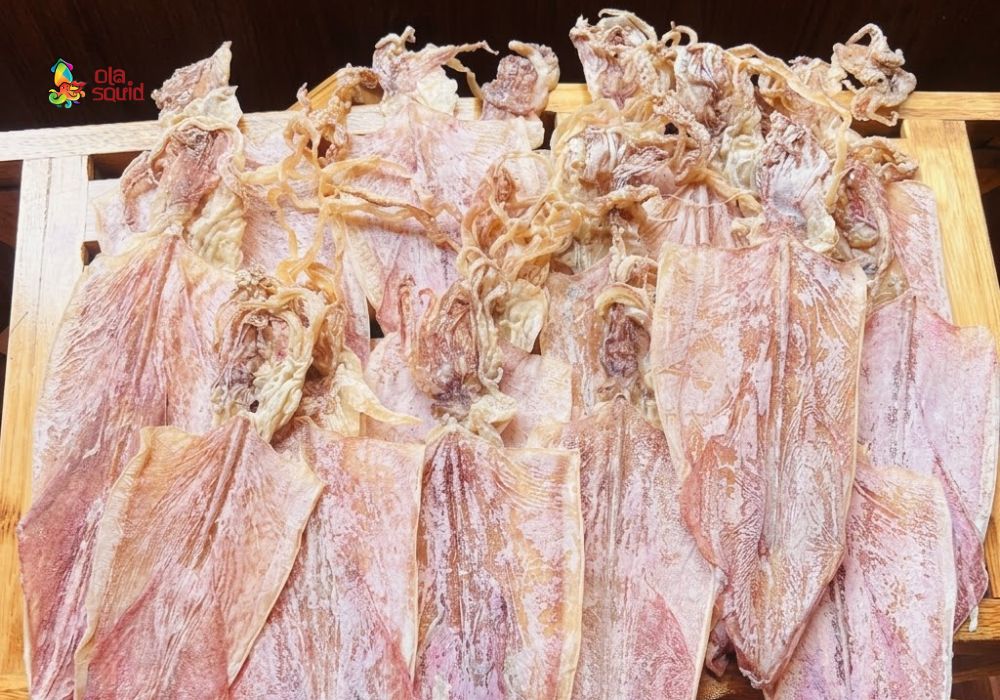
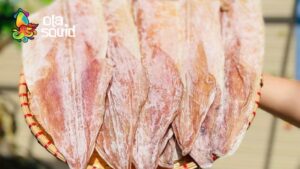
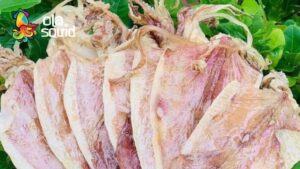
Dried squid can possess a relatively thick body, a natural pink color, a white powdery layer on the surface, and a distinctive aroma. However, thickness, size, and sweetness still depend on the squid species, the freshness of the raw materials, and the sun-drying method.
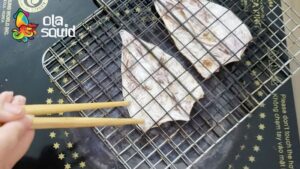
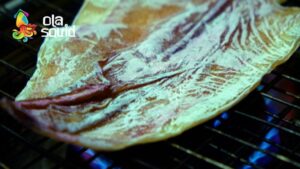
When grilled properly, the squid emits an appealing aroma, tender yet chewy meat, easy to tear, and has a natural sweetness. Besides traditional grilling, you can use squid for simmering with spices or shredding to dip in chili sauce, suitable for family gatherings.
See more: Where to buy delicious, standard grade 1 Quang Ninh dried squid?
Central coastal region: Nha Trang, Phan Thiet, Ly Son, and Nghe An
The Central region features a long coastline with many squid fishing grounds. During favorable weather times, locals can take advantage of natural sunlight to dry squid, creating dried seafood products to serve consumer and tourism demands.
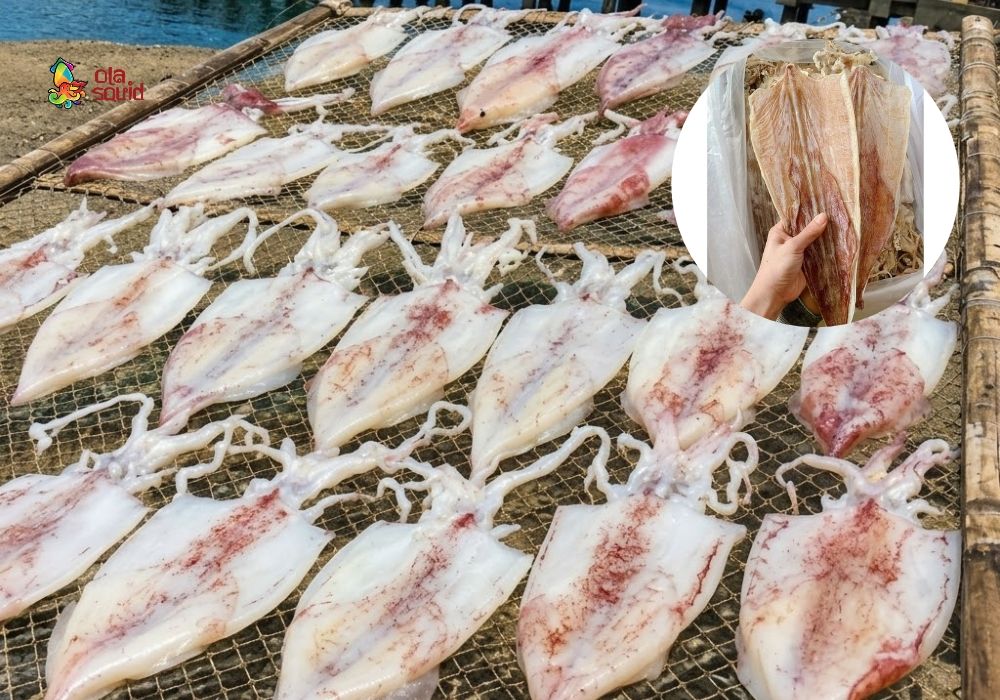
Central region dried squid is diverse in size, body thickness, and characteristics depending on the raw material source, preparation, and preservation methods. Some areas known for specialty dried squid types include:
- Nha Trang (Khanh Hoa): Dried squid comes in various sizes. When choosing to buy, you should prioritize those with firm bodies, natural pink color, dry surfaces, and a distinctive aroma.
- Phan Thiet (Binh Thuan): A locality famous for various dried seafood types. Dried squid suitable for grilling or simmering should have a firm body, uniform dryness, and no strange odors.
- Ly Son (Quang Ngai): Dried squid is chosen by many as a specialty. When buying, you should observe body thickness, color, and aroma to evaluate quality rather than relying solely on origin.
- Nghe An: Dried squid from coastal areas like Cua Lo and Quynh Luu is a choice known to many. You should choose squid with dry bodies, chewy meat, and no unusual odors.
View now: Authentic address to buy dried squid in Nha Trang at good prices
Southern coastal region: Phu Quoc and Con Dao
Dried squid in these two areas may differ in color, size, and thickness depending on the squid species, harvesting season, and drying method. Therefore, when selecting to buy, you need to pay attention to actual quality rather than just the name of the sea region. Squids with intact bodies, dry surfaces, natural aroma, and no signs of mold are usually choices worth considering. When grilled properly, the squid has moderately chewy meat fibers, natural sweetness, and is not too stringy, suitable for eating with family or processing into rich simmered dishes.
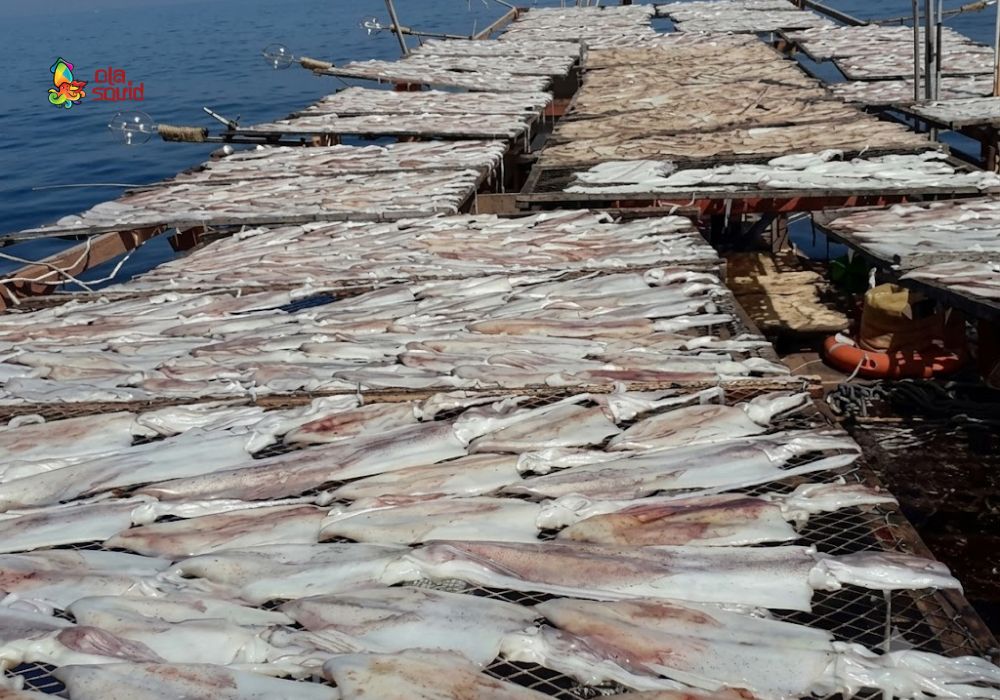
Overall, when choosing Southern dried squid, you should pay attention to natural color, body firmness, dry surface, and distinctive aroma. Squid prepared and preserved properly usually has moderately chewy meat and natural sweetness when processed. Depending on individual preferences, you can use squid for grilling, fish sauce simmering, or shredding as a snack.
Quick comparison table of dried squid among coastal regions:
| Coastal Region | Reference Characteristics | Suitable Enjoyment Methods |
| Co To, Van Don | Dried squid comes in various sizes, from small to large types. When choosing, prioritize those with relatively thick bodies, natural light pink color, firm meat, and dry surfaces. | Charcoal grilling, fish sauce simmering, shredding |
| Nha Trang | Dried squid is diverse in size and body thickness. Thick-bodied types usually yield chewier, distinctly sweeter meat when grilled; small types are suitable for simmering or quick dish processing. | Grilling, sugar-fish sauce simmering, shredding |
| Phan Thiet | Features many dried seafood types, with dried squid categorized by size and body thickness. Choose squid with natural color, firm body, uniform dryness, and no moldy odor. | Grilling, tamarind simmering, spice simmering |
| Ly Son | Dried squid is selected as a local specialty. Each product’s characteristics depend on squid type, size, and drying method; pay attention to body elasticity, natural color, and distinctive aroma. | Charcoal grilling, fish sauce simmering |
| Nghe An | Dried squid from coastal areas like Cua Lo, Quynh Luu comes in various sizes. Quality squid usually features a dry body, chewy meat, natural color, and no strange odors. | Grilling, shredding, sweet-salty simmering |
| Phu Quoc | Dried squid has various sizes and body thicknesses, suitable for consumption or gifting. When selecting, prioritize products with clear origins, firm bodies, and airtight preservation. | Grilling, spice simmering, snack shredding |
| Con Dao | Dried squid features different characteristics depending on the squid species and preparation/drying methods. Observe dryness, color, and aroma to evaluate each product’s actual quality. | Grilling, sweet-salty simmering |
| Other Central coastal regions | Dried squid is diverse in species, size, and body thickness. Thick-bodied types suit grilling, while small squid can be used for simmering or side dish preparation. | Grilling, simmering, dish processing |
Note: Characteristics in the table are for reference only and are not fixed standards for dried squid of each region. Finished product quality also depends on the squid species, freshness of raw materials, preparation, drying, and preservation. Therefore, when purchasing, combine reviewing origin, color, dryness, body firmness, and aroma instead of relying solely on the location name.
Reference: Suggestions for 16 delicious and easy dried squid dishes at home
Secrets to choosing standard delicious dried squid
To choose delicious dried squid, you should thoroughly check the appearance, color, dryness, and origin of the product. Specifically:
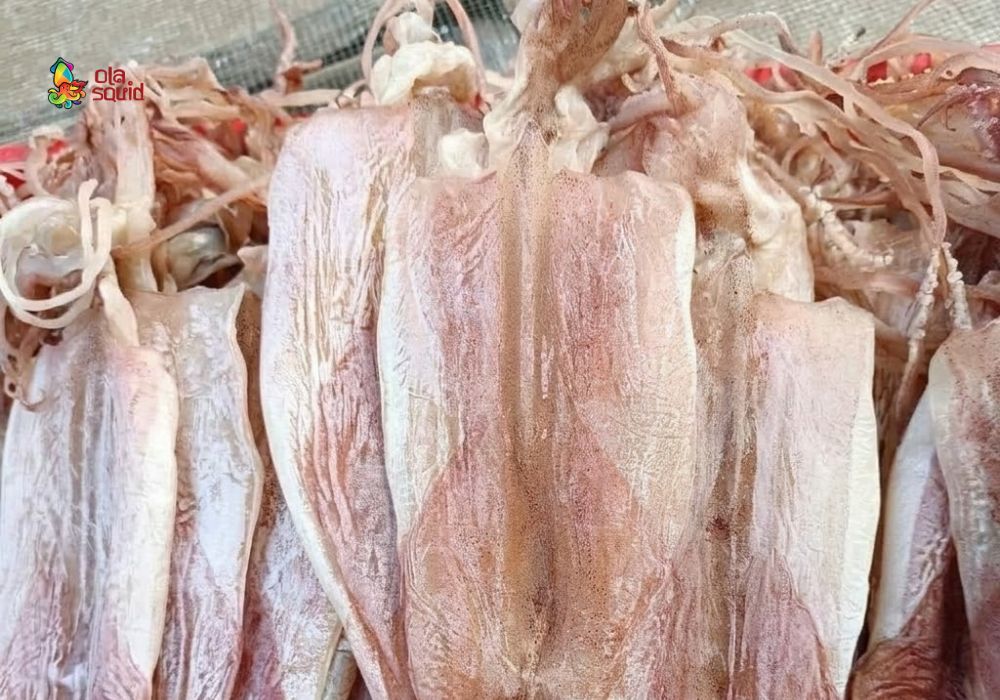
- Observe the powdery layer on the squid body: Dried squid usually has a natural white powdery layer on the surface, with coverage depending on the squid type and drying method. Choose squid with a dry surface, naturally distributed powdery layer, and no signs of damp stickiness or strange odors. Do not rely solely on a thick powdery layer to evaluate quality.
- Check the thickness and color of the squid body: Delicious squid typically has a relatively intact body, firm meat, and a natural light pink or slightly dark pink color depending on the type. When held, the squid should not feel mushy, sticky to hands, or have sour, moldy, or unusual odors.
- Prioritize hook-caught squid with clear origins: Hook-caught squid is usually caught individually, allowing it to retain its shape better than some other harvesting methods. However, quality still depends on the freshness of raw materials, preparation, and preservation methods. Therefore, you should research the harvesting method, origin, and storage conditions before buying.
See more: 4 ways to preserve dried squid long-term without mold
Buy quality dried squid at Ola Squid
If you want to find and buy dried squid to enjoy or give as a gift, you should prioritize suppliers with clear product information, specific descriptions of size, body thickness, and storage methods. These details help you easily select products that fit your needs, whether for grilling at home or processing into rich simmered dishes.
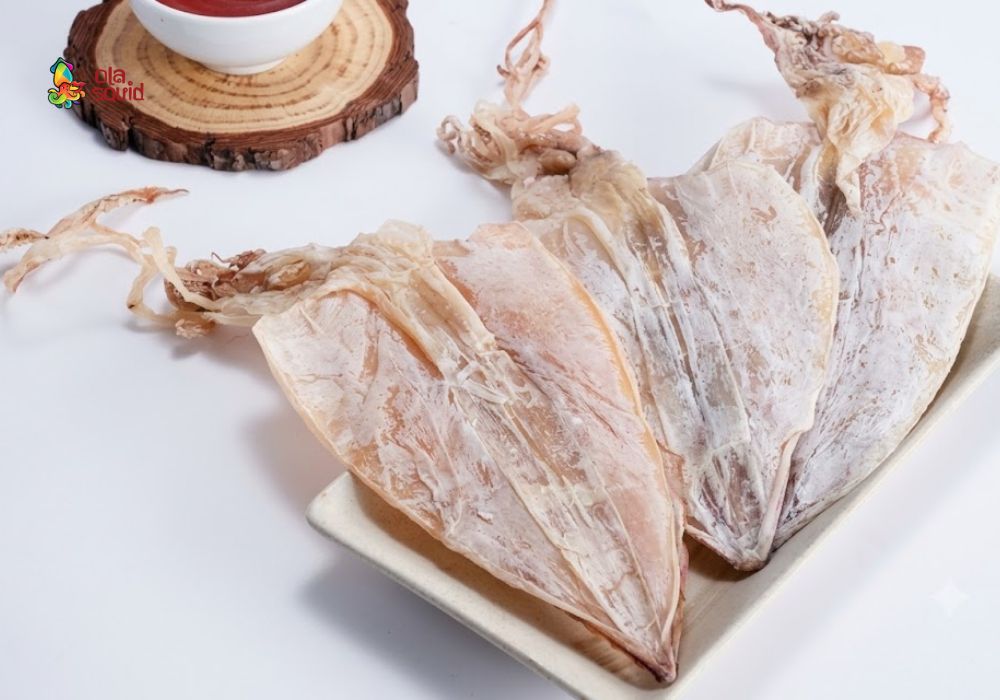
At Ola Squid, you can easily choose dried squid lines from various coastal regions such as the Central region, Nha Trang, or Phan Thiet… Products are vacuum-sealed for convenient long-distance preservation and transportation. If you are unsure which type to choose, you can contact Ola Squid for consultation tailored to your needs.
Instead of choosing squid solely based on the region’s name, combine origin information with inspecting the product’s appearance, scent, and dryness. This is a practical way to find suitable, delicious dried squid with greater peace of mind during use.
Frequently asked questions about dried squid from various coastal regions
Which province has the most delicious dried squid?
There is no single province that always ranks first in dried squid quality, because deliciousness depends on the squid species, harvesting season, freshness of raw materials, and preparation and sun-drying methods. Co To, Van Don, Nha Trang, Phan Thiet, Ly Son, Nghe An, Phu Quoc, and Con Dao are all locations with dried squid products that attract consumer interest. When buying, prioritize squid with firm bodies, natural colors, dry surfaces, and a distinctive aroma.
How do Northern, Central, and Southern dried squid differ?
Dried squid among regions can differ in size, thickness, color, and flavor due to differences in squid species, fishing grounds, harvesting seasons, and processing methods. However, it cannot be asserted that all Northern, Central, or Southern dried squid share identical characteristics. To evaluate accurately, you should examine each specific product rather than relying solely on the region of origin.
Does the coastal region affect the sweetness and chewiness of dried squid?
The answer is yes. The coastal region can affect the squid species source and initial raw material characteristics. However, the sweetness and chewiness of the finished product also depend significantly on the freshness of the squid, the time from catching to preparation, the sun-drying method, and storage conditions. Therefore, squid from a famous coastal region still needs quality inspection before purchase.
Is the preservation of dried squid from each coastal region different?
Not necessarily. The preservation method for dried squid mainly depends on the dryness, packaging specifications, and storage conditions of the product, rather than just the harvesting region. You should keep squid in airtight packaging, store it in a dry, cool place, or in the freezer if longer storage is required. Simultaneously, follow the supplier’s instructions and periodically check the product to detect signs of mold or unusual odors.
Hopefully, through the above article, you have learned more about the famous vùng biển mực khô ngon in Vietnam and how to select quality squid. When searching to buy, you should pay attention to origin information, along with criteria such as firm body, natural color, dry surface, and distinctive aroma. If you are looking for dried squid to enjoy or give as a gift, you can refer to the products at Ola Squid. Don’t forget to thoroughly research information about the size and thickness of the squid body before placing an order!