
 Dried squid
 Flattened dried squid
 Seasoned Shredded Squid
 Dried squid snack
 Tiếng Việt
 ไทย
ไทยProperly defrosting squid helps the squid meat retain its firmness, fresh sweetness, and limits water loss and mushiness after cooking. Depending on your preparation time, you can choose to defrost using cold water, the refrigerator compartment, a microwave, or heat-conducting metal. In the article below, Ola Squid will provide detailed instructions on how to defrost squid quickly and correctly, along with important tips to ensure the squid maintains its high quality.
Why is it necessary to defrost squid properly?
Frozen squid if defrosted incorrectly can lose a lot of water, making the meat mushy or reducing its natural crispness and sweetness. In particular, leaving squid at an unsuitable temperature for a long time can create conditions for bacteria to grow, affecting the quality and safety of the food during preparation.
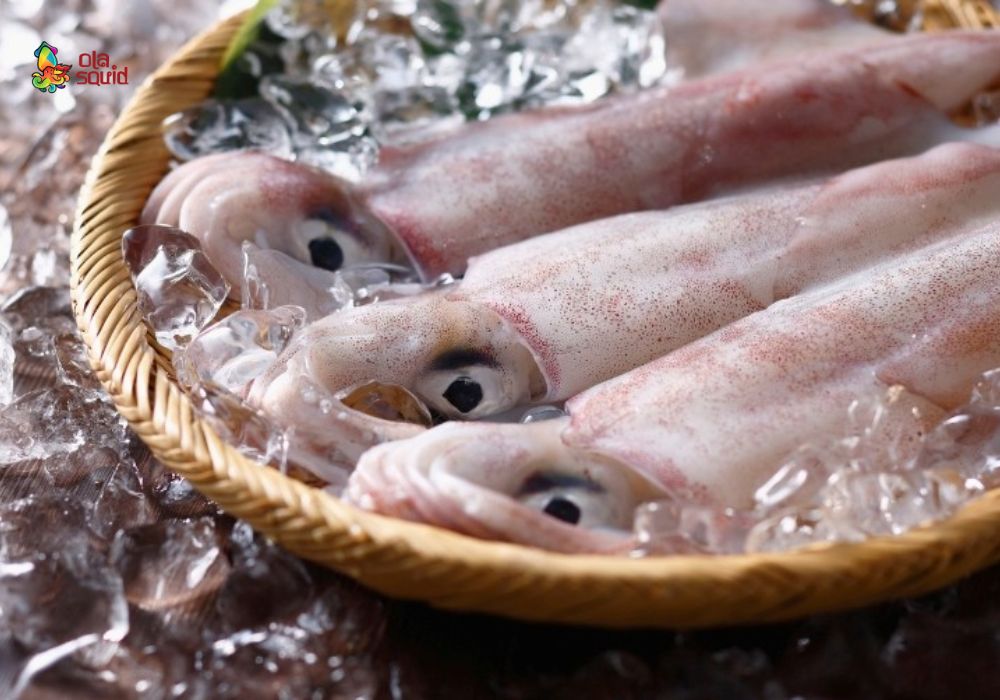
Defrosting properly helps the squid transition from a frozen state to a naturally soft one without significantly altering the texture of the meat. As a result, the cooked squid still retains its firmness and sweetness while minimizing fishy odors.
4 ways to defrost squid and keep it fresh and delicious
Below are 4 commonly used methods to defrost squid for your reference:
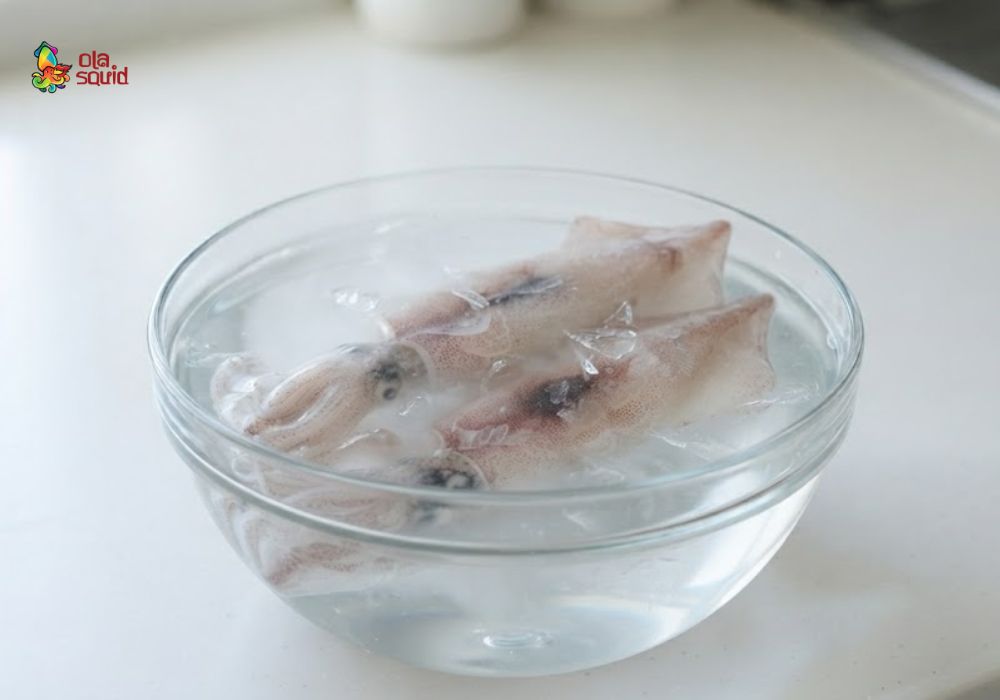
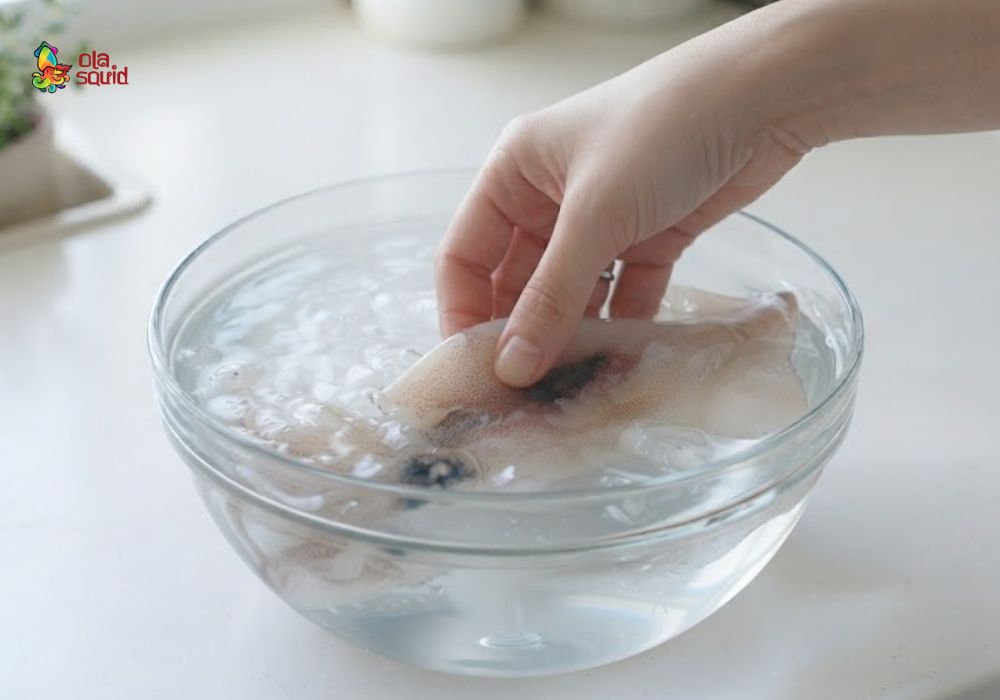
How to defrost squid using cold water
This is a simple method, ideal when you need to defrost squid in a relatively short amount of time.
Instructions: First, place the squid in a food-safe bag or a sealed zip-lock bag, preventing water from coming into direct contact with the squid. Place the bag of squid in a bowl of cold water, change the water when it is no longer cold, and check until the squid is soft enough to cook.
- Pros: Simple to do, faster defrosting time compared to using the refrigerator compartment, and requires no special equipment.
- Cons: Requires changing the water and monitoring during the defrosting process. If the bag is not sealed, water can make direct contact with the squid, affecting its texture and flavor.
How to defrost squid in the refrigerator compartment
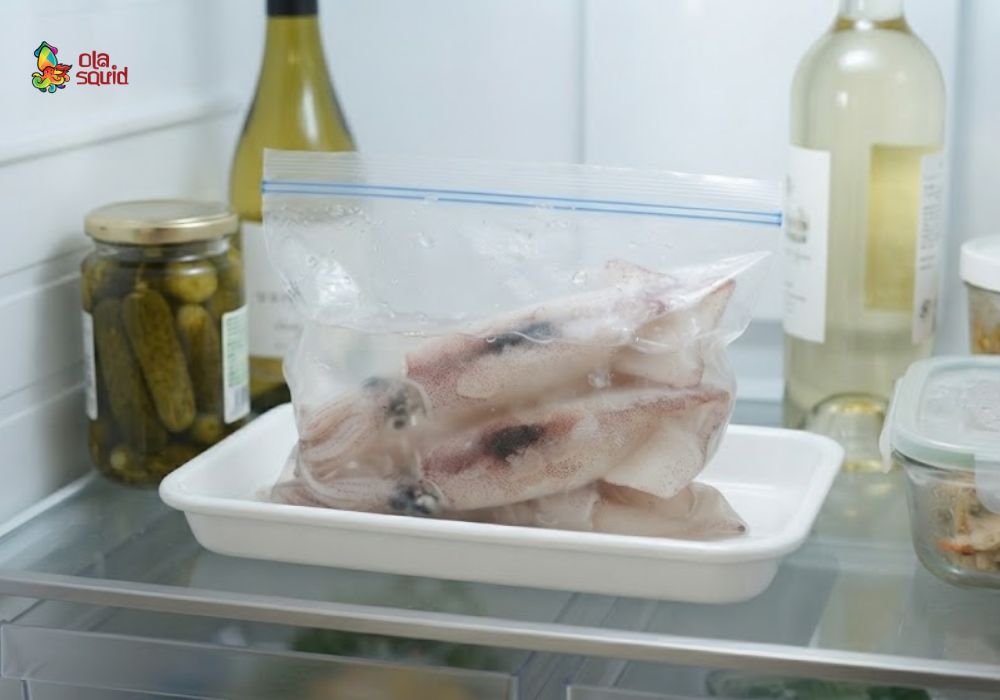
If you do not need to cook it immediately, this is a slow defrosting method but offers excellent temperature control.
Instructions: Take the frozen squid out of the freezer, place it in a container or a sealed bag, and transfer it to the refrigerator compartment. Let the squid thaw slowly until the meat is evenly soft, then take it out to clean and prepare.
- Pros: Squid is thawed gradually in a cold environment, minimizing sudden temperature changes, and it is highly suitable when meals are planned in advance.
- Cons: Takes much more time than rapid defrosting methods.
How to defrost squid using a microwave
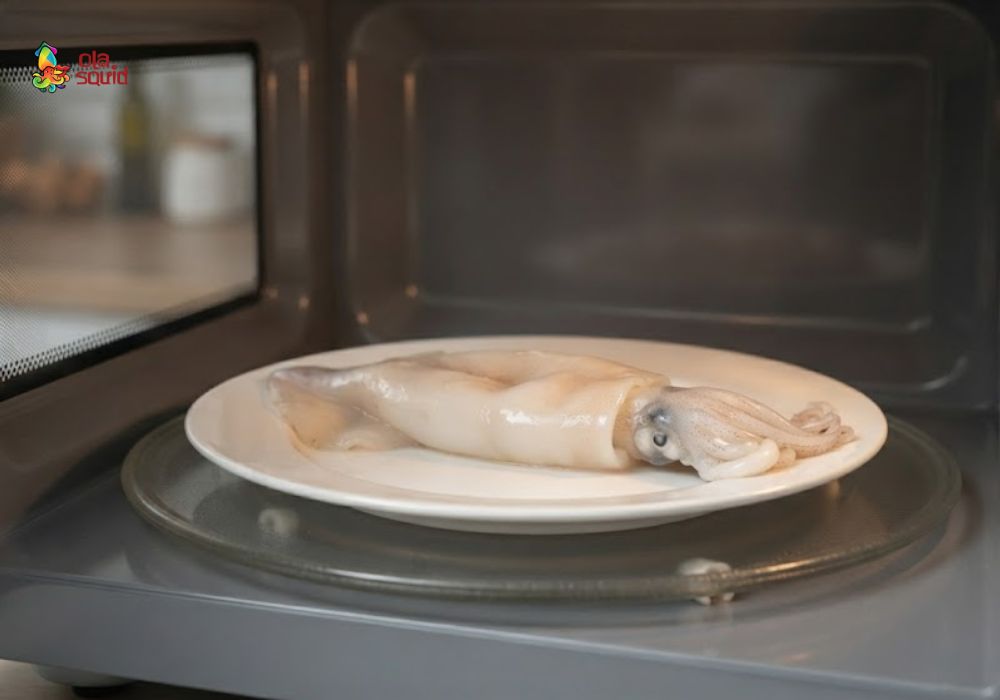
When you need to cook in a hurry, a microwave can help defrost squid in a very short time.
Instructions: Simply place the squid in a microwave-safe container, select the Defrost setting, and run it in short intervals. After each interval, check and flip the squid so it thaws relatively evenly.
- Pros: Fast, convenient, and perfect when immediate cooking is required.
- Cons: If you choose the wrong setting or leave it in too long, the outer parts of the squid may start cooking while the inside remains frozen. Therefore, after defrosting in the microwave, you should cook the squid immediately instead of storing it again.
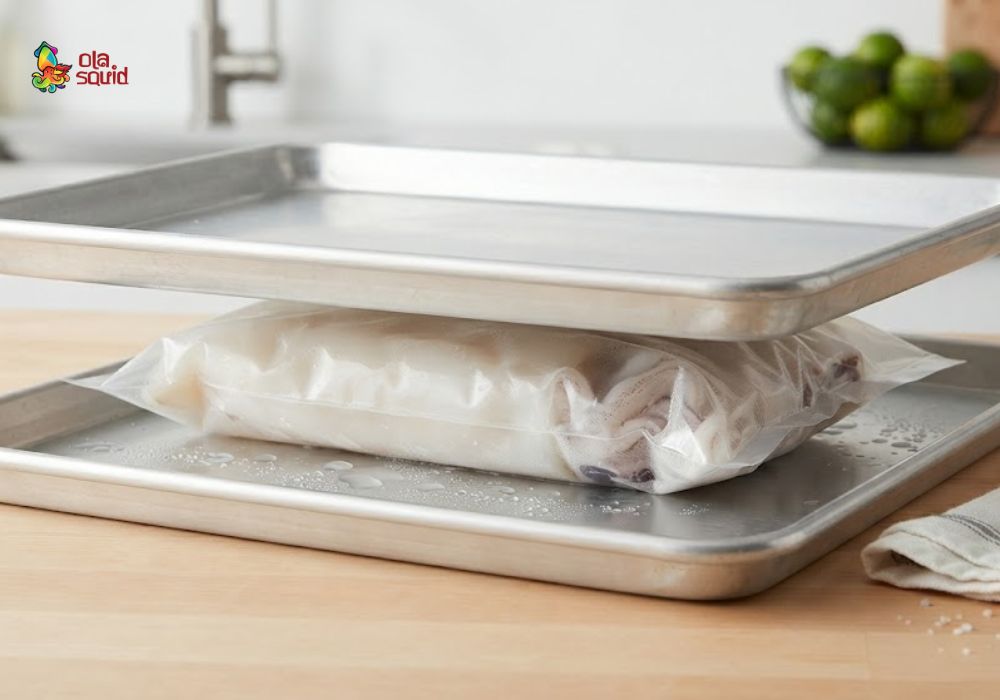
Defrosting squid using two metal surfaces
Metal has good thermal conductivity, allowing it to efficiently transfer heat to frozen foods. Some quick defrosting methods involve using two clean metal surfaces, placing the tightly wrapped squid in between to increase the contact area and speed up the thawing process.
Instructions: Tightly wrap the squid in a suitable bag or packaging, then place it between two clean, flat metal surfaces like trays or metal pans. You can flip it over during the process to ensure more even thawing. Do not use surfaces that have been in contact with other raw foods unless they have been thoroughly cleaned first.
- Pros: Does not require water or electrical equipment, making it suitable when you need quick thawing support for thin portions of squid.
- Cons: Effectiveness depends on the thickness of the squid and the utensils used. This is not a defrosting method officially listed by the USDA as safe, so for highly perishable foods like squid, priority should be given to defrosting in the refrigerator, cold water, or microwave.
Defrosting is not always necessary: For boiled or steamed dishes, if the squid is only slightly frozen, you can cook it directly without complete defrosting. However, you need to adjust the cooking time to match the size and level of frozenness of the squid to ensure it cooks evenly and is not raw on the inside.
Important notes when defrosting squid
Proper defrosting not only helps the squid maintain its freshness and deliciousness but also minimizes changes to the food’s texture and quality. During the process, you should keep the following points in mind:
- Do not defrost at room temperature for too long: Leaving squid out in the open environment for a long period can create conditions for bacteria to multiply, especially when the room temperature is high. Therefore, priority should be given to defrosting in the refrigerator or using cold water when rapid defrosting is required.
- Do not use hot water to defrost: Hot water can cause the outer layer of squid meat to become partially cooked while the inside remains frozen. When cooked later, this meat can easily become tough and lose its natural flavor.
- Do not squeeze or press hard when the squid is still frozen: The squid meat is quite hard and vulnerable at this stage. Using strong force to separate or squeeze the squid can tear the body, affecting its shape and firmness.
- Be careful when defrosting with a microwave: If you choose an unsuitable time or power level, the outer part of the squid might start cooking while the inside is still frozen. You should use the Defrost setting, divide the time into short intervals, and check frequently to ensure the squid thaws relatively evenly.
Signs that squid has spoiled after defrosting
After defrosting, you should inspect the squid before cleaning and cooking. If the squid displays any of the abnormal signs below, do not use it:
- Abnormal odors: Squid with a pungent, sour, or foul smell that differs from the characteristic aroma of fresh seafood is a sign that its quality has been compromised.
- Mushy meat with a slimy film: Fresh squid should still retain a certain level of firmness after defrosting. If the body of the squid becomes mushy, the surface is slimy, or an abnormal film appears, you should discard it.
- Unusual discoloration: If the squid is dull, blackened, or has developed strange discolored areas, its quality may no longer be guaranteed. If it also has an unusual odor or mushy meat, do not continue using it.
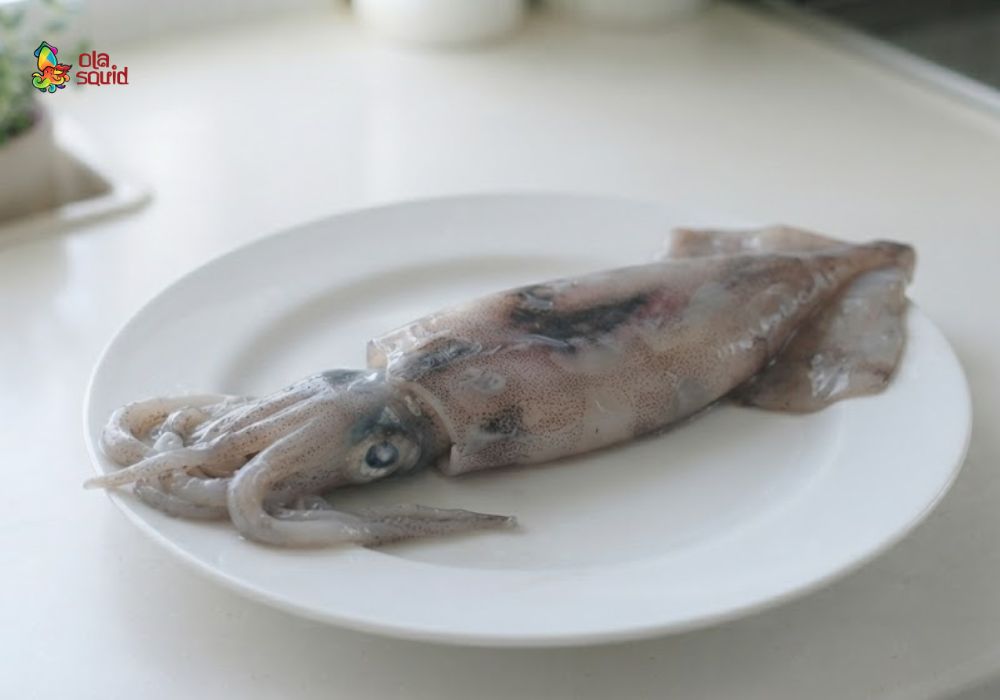
Tips to keep squid fresh and sweet after defrosting
After defrosting, you should cook the squid soon to minimize water loss and retain its natural firm and sweet texture. Here are some simple tips to help keep the squid in prime quality:
- Clean and cook immediately: Once defrosted, you should clean the squid, let it drain, and cook it as soon as possible instead of leaving it out for long.
- Only defrost the required amount: Portion the squid before freezing so you only take out the needed amount each time, avoiding excess thawing.
- Do not thaw and refreeze multiple times: Constant temperature changes can cause the squid to lose water, make the meat less firm, and impact the overall quality.
- Drain the squid before cooking: After defrosting, you can use a paper towel to gently pat dry the surface water to prevent the dish from becoming too watery during cooking.
See more:
- What delicious dishes can be made with frozen squid? 10 recipes & tips
- How to steam frozen egg squid crisp, sweet, and odor-free
Frequently asked questions when defrosting squid
How long does it take to defrost squid?
The defrosting time depends on the size, thickness of the squid, and the method used. Defrosting in the refrigerator compartment usually takes about 3 – 4 hours, while soaking the squid in cold water can shorten the time to about 1 – 2 hours. With a microwave on the Defrost setting, the defrosting process only takes about 5 – 10 minutes, depending on the amount of squid and the power of the appliance.
Can you defrost squid with hot water?
You should not use hot water to defrost squid. The high temperature can cause the outer layer of meat to partially cook while the inside remains frozen, making the squid tough and affecting its quality when prepared.
How many days can defrosted squid be kept?
It is best to cook squid immediately after defrosting, especially if the squid was thawed using cold water or a microwave. If you cannot cook it right away, you should store it in the refrigerator compartment and use it soon instead of leaving it at room temperature for a long time.
What is the fastest way to defrost squid?
If you need to defrost in a short amount of time, a microwave on Defrost setting is usually the fastest option. However, it is necessary to divide it into short intervals and check frequently to avoid cooking the outer parts of the squid while the inside remains frozen.
Proper defrosting helps squid minimize water loss, retaining its firmness and natural sweetness before cooking. Besides fresh squid, if you love squid dishes or are looking for a convenient product to enjoy at home, you can check out dried squid from Ola Squid. The brand specializes in providing dried squid with many options in terms of size and body thickness, suitable for dining, cooking, or gifting.