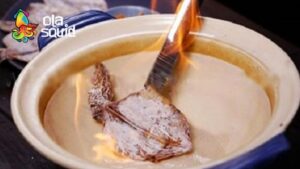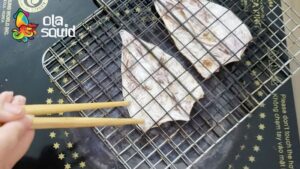
 Dried squid
 Flattened dried squid
 Seasoned Shredded Squid
 Dried squid snack

 Tiếng Việt
 ไทย
Whenever going to the market or searching on e-commerce platforms to buy dried squid, many people get confused by dozens of different names: grade 1 dried squid, giant squid, semi-dried squid, rolled squid… Each classification reflects a specific characteristic of size, shape, harvesting region, or processing method. This article systemizes the common types of dried squid on the market, along with evaluation criteria for which type is delicious and tips on choosing to avoid poor-quality products, helping you feel more confident when making a purchasing decision.
Common types of dried squid on the market today
The Vietnamese dried squid market is quite diverse because squids are caught in many different sea areas, with various species and sizes. Sellers usually classify squid based on one or a combination of several criteria: size, shape, catching method, harvesting region, processing method, and drying frequency. Understanding these criteria will help buyers classify dried squid instead of relying solely on vague names.
Below is a detailed classification by each criterion, commonly applied at squid depots and processing facilities.
Classification by size
Size is the most common criterion when buying dried squid, usually calculated by the number of squids per kilogram. The smaller the size number (fewer squids/kg), the larger the squid and the higher the price.
- Grade 1 dried squid: around 15-22 squids/kg, thick body, chewy meat, often used as gifts or to treat guests.
- Grade 2 dried squid: around 23-30 squids/kg, balancing price and quality, selected by many families.
- Grade 3 dried squid: around 31-40 squids/kg, more affordable, suitable for daily snacking.
- Mini dried squid: over 50 squids/kg, small squids, tender meat, often used as snacks or fast appetizers.

In addition to classification by grade, some places also clearly print the number of squids/kg on the packaging instead of calling them grade 1 or grade 2, making it easier for buyers to visualize the actual weight of each squid.
Classification by shape
Each type of sea squid, when dried, will retain its own characteristic shape, and each has a different meat texture and flavor. This is also how many people name dried squid at the market.
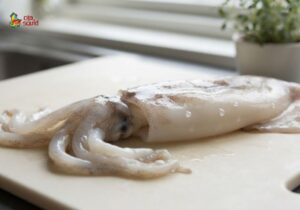
- Loligo squid (Mực ống): long, slender body, head smaller than body, is the most common type on the dried squid market today.
- Bigfin reef squid (Mực lá): flat body, wide like a leaf, thick meat, and sweeter than Loligo squid.
- Giant squid (Mực xà): large size, chewy meat, and a significantly bolder taste, commonly used for shredding or seasoning.

Classification by catching method
The catching method directly affects the quality of the squid meat before sun-drying, because heavily bruised squid will have reduced natural chewiness and sweetness. This creates a clear difference in the quality of the final product.
- Line-caught squid: caught by hand-line or light-line; the squids remain intact with minimal scratches, usually yielding the highest quality.
- Trawl-caught squid: caught using trawl nets, offering high yields but squids are easily crushed, resulting in uneven quality.
- One-sun-dried squid: not a catching method but a preparation technique right after catching – dried under the sun for one day then frozen or used immediately, preserving its natural freshness and tenderness.

See more: What is dried beo squid? How much is 1kg of dried beo squid?
Classification by harvesting region
The sea waters and natural conditions create differences in the flavor of dried squid across various localities. Some famous squid harvesting regions in Vietnam include:
- Phu Quoc dried squid: Famous for its freshness, firm meat, and natural sweetness. Thanks to the clean sea area, dried squid here is highly appreciated for both its quality and beautiful color.
- Nha Trang dried squid: This place provides delicious dried squid, dried under the right amount of sunlight, keeping its natural sweetness and chewiness. Squid here is often chosen as gifts due to its uniformity and beautiful appearance.
- Vung Tau dried squid: Favored by Southern consumers thanks to its rich flavor, ease of preparation, and storage. This is a source supplying large quantities of squid for the Ho Chi Minh City market and neighboring provinces.
- Quang Ninh dried squid: Although the output is not as large as other regions, Quang Ninh squid is highly evaluated for its chewy aroma and distinctive flavor thanks to the clear and clean water area.

Classification by processing method
After drying, the raw squid continues to be processed in various forms to suit different consumer habits.
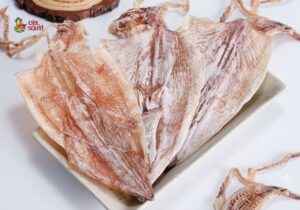
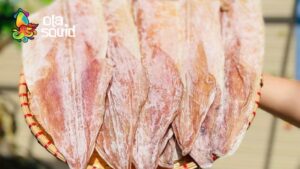
- Whole dried squid: retains its original shape, suitable for grilling or gifting as it looks appealing.
- Rolled dried squid: uses a rolling machine to soften the meat fibers, making the squid easier to shred and eat.
- Seasoned shredded dried squid: shredded into small fibers and seasoned, ready to eat without grilling, highly convenient for office workers.
- Seasoned whole dried squid: retains the whole body shape but is pre-seasoned and ready to eat.
Classification by drying frequency (sun-dried/dehydrated)
The frequency of drying determines the remaining moisture in the meat fibers, thereby affecting the chewiness, flavor, and shelf life of the dried squid.
- One-sun-dried squid: highest moisture content, tender meat, natural sweetness but must be stored frozen and consumed within a short time.
- Two-sun-dried squid: moderate moisture, moderately chewy, can be stored at cool temperatures for a few weeks.
- Three-sun-dried squid: the driest of the three types, firm and chewy meat, lasts the longest if tightly packaged.

In general, the more sun-dried it is, the drier and easier to store the squid becomes, but the natural tenderness and sweetness will be somewhat reduced compared to one-sun-dried squid.
Quick comparison table of dried squid types
For easy visualization, the table below summarizes the characteristics, deliciousness, and reference prices of some common types of dried squid. The prices are for reference only and may vary depending on the time and supplier.
| Squid Type | Characteristics | Deliciousness | Reference Price (VND/kg) |
| Grade 1 squid (15-22 pcs/kg) | Large body, thick meat, moderately chewy | Very delicious, suitable for gifting | 1,200,000 – 1,600,000 |
| Grade 2 squid (23-30 pcs/kg) | Balanced price and quality | Delicious, for family use | 1,000,000 – 1,300,000 |
| Grade 3 squid (31-40 pcs/kg) | Smaller squid, soft price | Moderately delicious | 970,000 – 1,300,000 |
| Giant squid (Mực xà) | Chewy meat, bold flavor | Suitable for shredded seasoning, snacking | 300,000 – 500,000 |
| One-sun-dried squid | Soft, naturally sweet | Very delicious but hard to preserve | 650,000 – 900,000 |
| Seasoned shredded squid | Convenient, ready to eat | Delicious, handy | 100,000 – 300,000 (100g) |
Which type of dried squid is the most delicious?
There is no single answer to this question, as deliciousness depends on each person’s taste and intended use. However, based on practical experience from consumers and processing facilities, line-caught dried Loligo squid is still considered the highest quality choice thanks to its thick meat, natural sweetness, and appealing straight body.

Depending on your needs, you can prioritize different types of squid:
- Gifting: you should choose grade 1 or grade 2 squid, whole body, beautifully packaged.
- Daily snacking: seasoned shredded squid or grade 3 squid is both convenient and budget-friendly.
- Drinking with friends: one-sun-dried squid or grilled giant squid directly offers a rich flavor and a pleasant chewiness.
Tips for choosing delicious dried squid, avoiding fake and low-quality products
The dried squid market currently has quite a few products treated with chemicals or mixed with impurities to increase weight, making it difficult for buyers to distinguish just by looking at the packaging. Knowing how to choose delicious dried squid and directly inspecting them using your senses before purchasing will help minimize the risk of buying low-quality products.

- Real squid feels naturally dry when touched, not sticky or unusually damp.
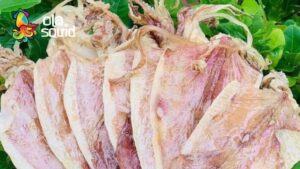
- The color of real squid is naturally pale pink; chemical-treated squid often looks pale white or artificially uniform pink.
- Real squid has a pleasant, mild sea aroma; chemical-treated squid often has a pungent or slightly sour smell.
- Squid soaked in lye water or borax to create fake chewiness often has a crumbly texture and lacks genuine elasticity when stretched.
- You should purchase from reputable establishments with clear origins and packaging showing complete manufacturing details.
See more: What is fake squid? Simple ways to identify fake dried squid
How to store dried squid properly
Storing dried squid properly helps preserve its full flavor and prevents mold or spoilage during use. The general rule is to limit exposure to humid air and high temperatures.

- Wrap the squid tightly in a vacuum bag or an airtight container before storing.
- Store in the freezer compartment of the refrigerator for one-sun-dried and two-sun-dried squid to maintain freshness longer.
- For completely dried three-sun-dried squid, you can keep it in the cooler compartment or a dry, cool place.
- Recommended shelf life: one-sun-dried squid should be used within 1-2 weeks in the fridge, 1-2 months if frozen; two-sun and three-sun dried squid stored properly can be used for 3-6 months.
Buy authentic, high-quality dried squid at Ola Squid
If you are looking for a place to buy authentic, clear-origin, and preservative-free dried squid, Ola Squid is a worthy choice. Products at olasquid.com are selected from reputable raw material regions, undergoing a closed processing and packaging procedure to preserve the full natural flavor of the squid.

Ola Squid currently provides a diverse line of products, from whole dried squid in various sizes to seasoned rolled squid and ready-to-eat squid snacks, matching different demands – from Tet holiday gifting to daily snacking. The entire production process is completely transparent, giving customers peace of mind when choosing.
You can visit olasquid.com to view the detailed price list and place an order online, or contact us directly to get advice on the most suitable type of squid for your needs.
See more:
Frequently asked questions about dried squid types
Can pregnant women and young children eat dried squid?
Pregnant women and young children can eat dried squid in moderate amounts, as squid is a good source of protein and minerals. However, you should choose squid with a clear origin, free of chemicals, and avoid consuming too much salt from heavily seasoned dried squid.
Does dried squid need to be soaked in water before grilling?
For two-sun-dried and three-sun-dried squid, it is recommended to soak it briefly in warm water for about 5-10 minutes to soften the meat before grilling, helping the squid cook evenly and not become overly chewy. One-sun-dried squid usually does not need soaking because its moisture content is still high.
Which type of dried squid is suitable for gifting?
Grade 1 or grade 2 whole dried squid, beautifully packaged, is the most suitable choice for gifting, as the large size and attractive appearance convey a sense of formality.
How many squids per kg is considered delicious?
Delicious dried squid usually falls around 15-22 squids/kg, which corresponds to grade 1 and grade 2 squid. Fewer squids per kg means the squid is larger, has thicker meat, and has a richer sweet taste.
Clearly understanding the types of dried squid on the market from size, shape, harvesting region to processing method will help you choose the right product matching your needs and budget. If you need a reputable address to buy authentic dried squid with stable quality, do not hesitate to visit olasquid.com to explore products and receive detailed advice.