
 Tiếng Việt
 ไทย
ไทยSquid is a delicious and nutritious seafood that is easy to prepare, but sometimes eating it can cause indigestion or stomach pain, leading many to wonder what squid should not be eaten with. In fact, although generally harmless, squid can still cause adverse reactions when combined with foods that are “incompatible” in terms of flavor or chemical properties.
Understanding which foods should not be eaten with squid will help you eat safely, reduce the risk to your digestive system, and fully enjoy the delicious flavor of this seafood. Let Ola Squid find the correct answer in this article!
What should not be eaten with squid? Foods to avoid combining with squid
When it comes to eating seafood in general and squid in particular, many people often wonder what squid should not be eaten with, or why sometimes eating squid causes stomach discomfort, even mild poisoning. In fact, squid is a food rich in protein, many minerals, and is very healthy when prepared correctly.
However, some foods have chemical properties or flavors that are not suitable for squid, causing the body to react negatively. Understanding these food groups will help you eat seafood safely and maximize the nutritional benefits of squid.
Foods rich in Vitamin C (sour fruits)
One of the first things to know when learning what squid should not be eaten with is to avoid eating squid with foods high in vitamin C. Chemically, squid contains a lot of protein and copper; when combined with a high concentration of vitamin C, they can react to create compounds that are not good for the body. Although the toxicity is not high, people who are sensitive may experience stomach pain, vomiting, or digestive disorders.
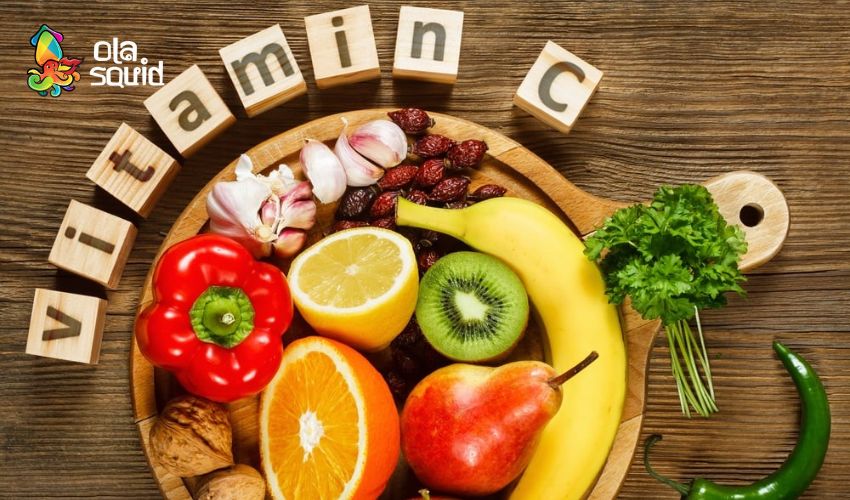
Foods to avoid eating with squid:
- Oranges, lemons, tangerines
- Grapefruit
- Guava
- Strawberries
- Kiwi
- Strongly sour juices
If you want to supplement with vitamin C, eat it about 1-2 hours after your squid meal to ensure safety.
Green tea and foods rich in tannins
In strong green tea, black tea, or some tannin-rich foods like persimmons, pickled persimmons… contain tannins, which easily combine with proteins in squid to form complexes that are difficult to digest. This can make you feel bloated, stomach cramps, or prolonged indigestion.
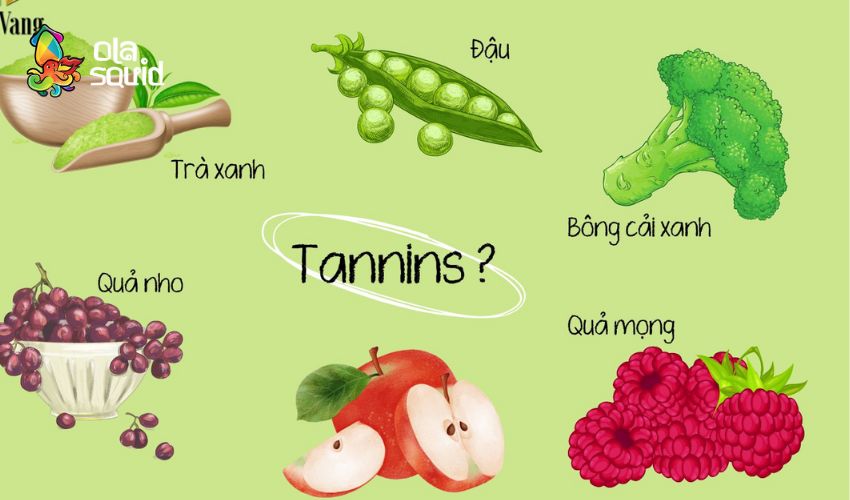
Best:
- Do not drink tea before or after eating squid
- Do not eat pickled persimmons or astringent fruits at the same time as squid
Ginseng
Ginseng is a nourishing food, but its properties are incompatible with high-protein seafood like squid. In traditional medicine, squid is slightly cooling, while ginseng has the property of tonifying qi and blood. Combining these two opposing food groups can cause absorption disorders, increased risk of stomach pain or diarrhea.
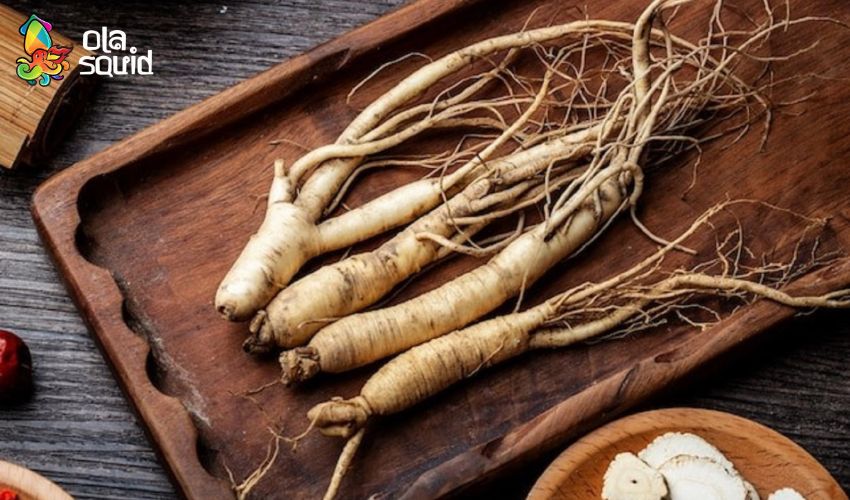
It can be figuratively understood: ginseng “lifts the qi”, while squid “pulls the qi down”, creating an opposition in the body.
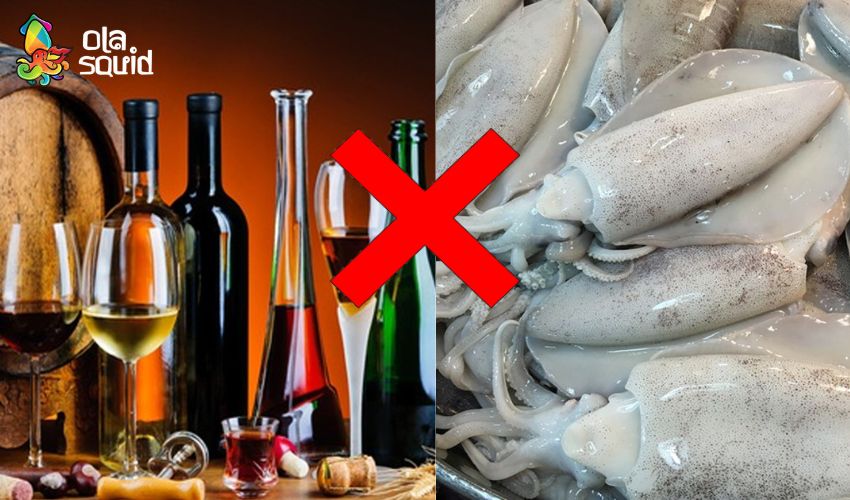
Beer, alcohol and alcoholic beverages
One of the important answers when it comes to what squid should not be eaten with is alcohol and beer. Combining seafood with alcohol easily activates a reaction that increases purine levels in the body, thereby overloading the digestive system and increasing uric acid. For healthy people, this can cause a feeling of heaviness in the stomach or indigestion. For people with underlying medical conditions, especially gout, this is an extremely dangerous combination.
Cooling foods (watermelon, leafy greens, cucumber, winter melon, clams, crabs)
Squid is inherently cooling, so combining squid with cooling foods will make the body cold, reduce digestive ability, and cause stomach pain, diarrhea, or digestive disorders in people with sensitive constitutions.
Foods to limit:
- Watermelon
- Cucumber
- Winter melon
- Leafy greens
- Clams, mussels, snails, crabs
Although they are all delicious dishes, they are not a safe choice when combined with squid.
Eggs
Eggs are high in protein, while squid is also rich in protein and minerals. When eaten together, the total amount of protein ingested is too large, putting pressure on the digestive system, especially the liver and gallbladder. This overload can cause heat, bloating, or indigestion.
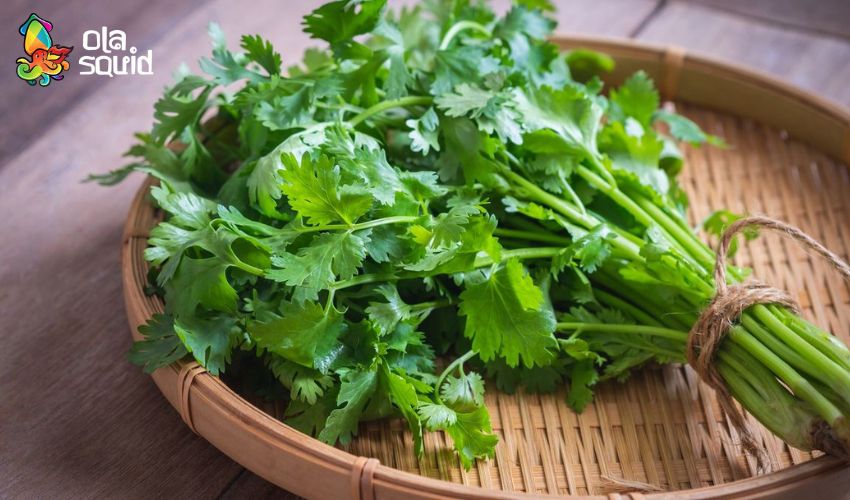
Cilantro (coriander)
Cilantro has a warm nature and a strong aroma that easily overwhelms the natural flavor of squid. Some studies in traditional medicine suggest that combining squid with cilantro can create a less ideal environment for digestion, especially for people with sensitive digestive systems or cold constitutions.
Dog meat, goat meat, buffalo meat
These are meats that are warming in nature, while squid is cooling. This strong opposition can cause:
- Bloating
- Diarrhea
- Stomach pain
- Digestive disorders
Moreover, red meats like buffalo and goat are high in protein, making them more likely to cause overload when eaten with squid.
Who should not eat squid or should limit squid consumption?
Besides what squid should not be eaten with, you also need to know who should limit squid to eat safely.
People with seafood allergies
People who have been allergic to shrimp, crab, fish… may have a similar reaction to squid. Protein in squid easily creates a histamine reaction, causing red skin, itching, difficulty breathing, nausea, or hives. If you have a history of allergies, start with a small amount of squid to test.
Pregnant women, breastfeeding mothers or menstruating women
Pregnant women can still eat squid, but in moderation. However, during menstruation, squid with its cooling properties can cause a cold stomach and increased menstrual cramps. For postpartum women, the digestive system is still weak, so avoid eating squid for the first 1-2 months.

See more: Can pregnant women eat dried squid? Expert answers
People with a history of cardiovascular disease and liver and gallbladder disease
Squid is rich in natural cholesterol. For people with cardiovascular disease or fatty liver, eating too much squid can cause the body to absorb more cholesterol than necessary.
People with gout
Protein in squid can be metabolized into purines, which increase uric acid. Therefore, people with gout or at high risk should limit squid as much as possible, especially when combined with alcoholic beverages.
People with digestive problems or a sensitive stomach, prone to stomach pain
Squid is cooling, so combining squid with cooling foods can make the body cold, reduce digestive ability, and cause stomach pain, diarrhea, or digestive disorders in people with sensitive constitutions.
- Chronic colitis
- Weak stomach
- Malabsorption disorders
- Often experience stomach pain when eating cold foods
People with skin diseases
Some people with eczema, atopic dermatitis, or hives often worsen when eating high-protein foods like squid. If you are being treated for a skin condition, you should monitor your body’s reaction when eating seafood.

How to eat squid correctly and safely
Knowing what squid should not be eaten with is not enough, it is more important to know how to eat squid correctly.
Choose fresh and hygienic squid
Fresh squid should:
- Firm body, shiny skin
- Clear eyes
- No strange smell
- High elasticity when pressed
Prioritize buying squid from reputable seafood stores or places with a clear origin.
See more: How to choose fresh squid that not everyone knows
Cook squid thoroughly before eating
Raw or undercooked squid may contain marine parasites (such as anisakids). Although raw squid tastes sweet, eating undercooked squid can cause stomach pain or parasitic infections.
You should cook squid until:
- The meat turns white
- Has just the right amount of toughness, not too soft
Avoid eating squid that has been processed for a long time
Seafood protein easily decomposes if left for too long:
- Cooked squid should not be left for more than 3 hours at room temperature
- The refrigerator should also be kept for a maximum of 24 hours
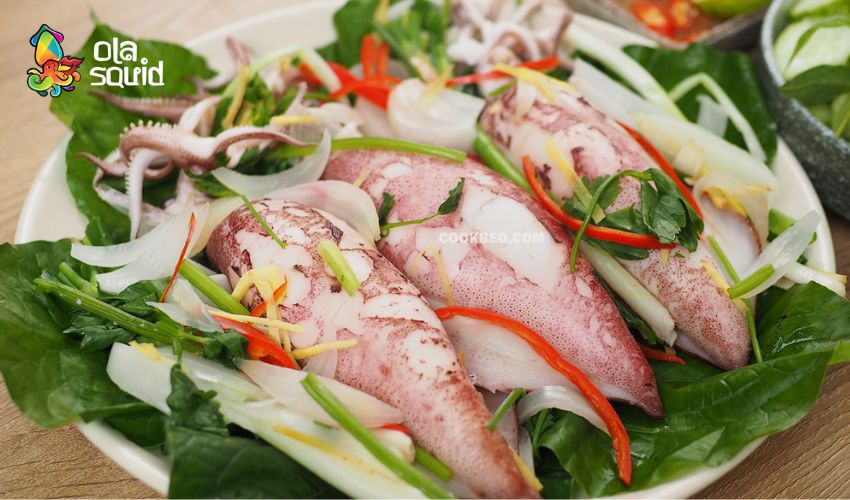
Note when combining squid dishes
- Do not combine with cooling foods
- Do not eat with sour foods rich in vitamin C
- Avoid using with beer
- Do not drink tea after eating
These notes help minimize risks and help the body absorb nutrients from squid effectively.
Nutritional value of squid and benefits of eating correctly
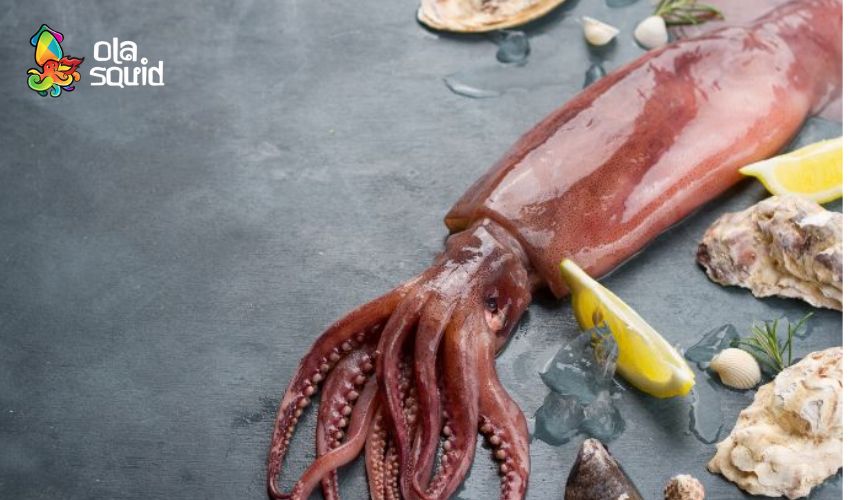
Squid is a “treasure” of nutrition with content:
- High protein, low fat
- Many vitamin B12, B6
- Minerals: selenium, zinc, copper, phosphorus
- Natural Omega-3
Benefits of eating squid correctly:
- Supports cardiovascular health thanks to omega-3
- Enhances metabolism thanks to vitamin B
- Good for the brain and nervous system
- Develops muscle thanks to high protein content
Squid is both delicious and nutritious, as long as it is prepared and used correctly.
Some delicious dishes from squid that are safe and easy to digest
Suggestions for safe dishes:
- Stir-fried squid with leeks: The dish retains the sweetness and crispness of the squid, combined with leeks to create a unique and refreshing aroma. The squid is quickly stir-fried over high heat so it is not tough, absorbing the just right salty and sweet flavor, perfect with hot rice.
- Steamed squid with ginger and scallions: If you want to preserve the natural flavor of the squid, this is the ideal choice. The squid is steamed with ginger and scallions, creating a mild, fragrant aroma, white and crispy meat, and not greasy. Dipping it in salt, pepper and lemon juice is the “peak” of freshness, safety and health.