
 Tiếng Việt
 ไทย
ไทยWhat is sashimi and why is this fresh seafood dish so beloved by diners around the world? In Japanese cuisine, sashimi consists of thin, tender, and incredibly fresh slices of seafood such as salmon, tuna, or various shellfish, offering a distinctive rich and sweet flavor. Refer to the article below to join Ola Squid in fully exploring everything from the definition, ingredients, and preparation to the secrets of eating sashimi the authentic Japanese way.
What is sashimi?
Sashimi is a traditional Japanese dish made from thin slices of fresh raw seafood or meat, served with soy sauce, wasabi, and pickled ginger. Unlike many other Japanese dishes, sashimi is not heat-processed; the entire value of the dish lies in the quality of the raw ingredients and the chef’s slicing technique.
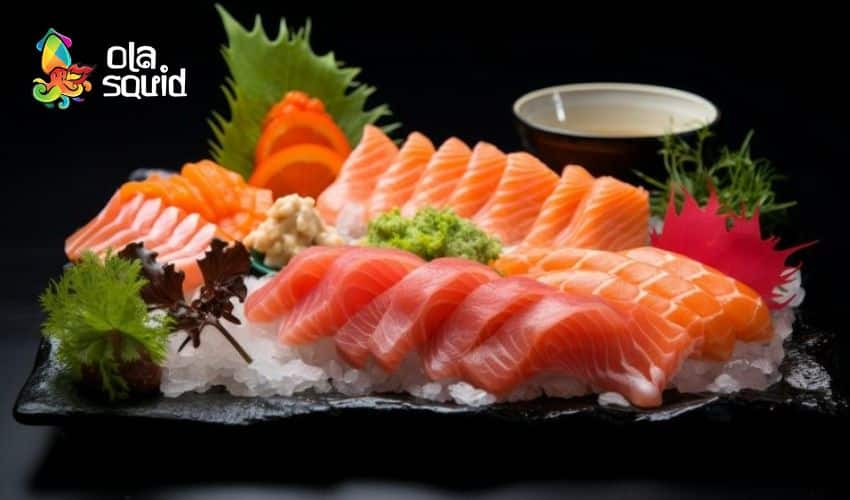
Sashimi reflects the characteristic slicing technique that requires absolute precision. This dish first appeared in Japanese texts in the 14th century and gradually became a symbol of modern Japanese cuisine.
This is also why sashimi is more unique compared to other raw dishes around the world due to the philosophy of shun, which means eating in the right season, at the right time when the ingredients reach their peak flavor. The Japanese believe that a perfect, fresh slice of fish does not need any complex seasoning; the natural sweetness of the ingredient itself is art.
Ingredients That Make Up A Sashimi Dish
To have an authentic sashimi dish, the most important principle is that the freshness of the ingredients must be absolute. In Japan, fish used for sashimi is usually rated by sashimi-grade standards, meaning it has been inspected to ensure food safety when eaten raw.
The main ingredients in a complete sashimi platter include:
Main ingredients:
- Salmon, tuna, yellowtail, sea bream, grouper, fugu pufferfish
- Seafood: squid, octopus, scallops, red clam, sweet shrimp
- Specialty meat: horse meat, Wagyu beef
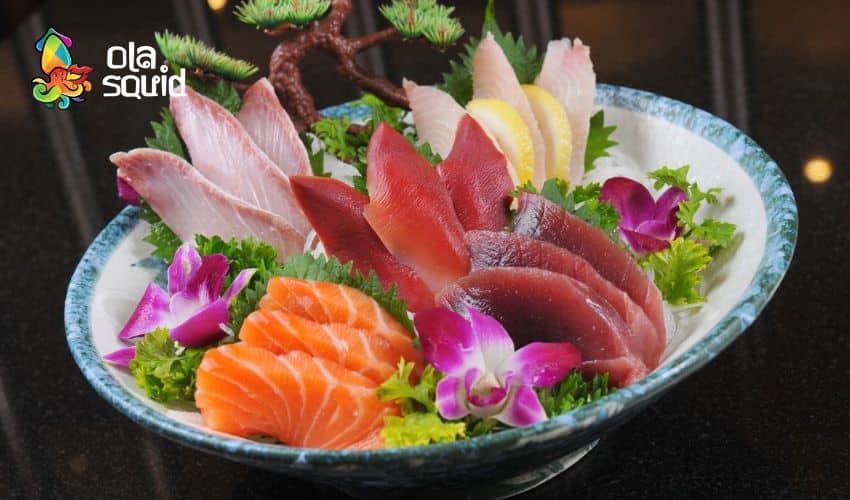
Garnishes and accompaniments:
- Shredded daikon: creates a delicate white base, used to absorb fishy odors
- Perilla leaves: natural antibacterial, effectively removes fishy odors
- Pickled ginger: cleanses the palate between different types of fish
- Seaweed: increases aesthetics and adds minerals
Dipping sauces:
- Japanese soy sauce: lighter than regular soy sauce, does not overpower the taste of the fish
- Real wasabi: made from freshly grated wasabi root, very different from industrial wasabi paste
- Some regions use ponzu (soy sauce mixed with citrus) or sesame sauce depending on the type of sashimi
How To Prepare Authentic Japanese Sashimi
Sashimi is famous not because of a complex recipe, but because minimalism requires the highest level of skill. A professional sushi-ya chef in Japan usually spends at least 3–5 years just learning how to process and slice fish correctly.
Step 1: Selecting and processing ingredients
Fish must be carefully selected: clear eyes, bright red gills, and elastic flesh when pressed. After purchase, the fish is cleaned using the ikejime technique (a quick fish preparation method to maintain maximum flesh quality), iced immediately, and stored at 0–2°C.
Step 2: Filleting
The chef uses a yanagiba knife, a long, thin sashimi knife with a single sharpened edge, to fillet the fish into clean, boneless pieces. This technique requires a single decisive stroke, without sawing back and forth, to avoid destroying the flesh structure.
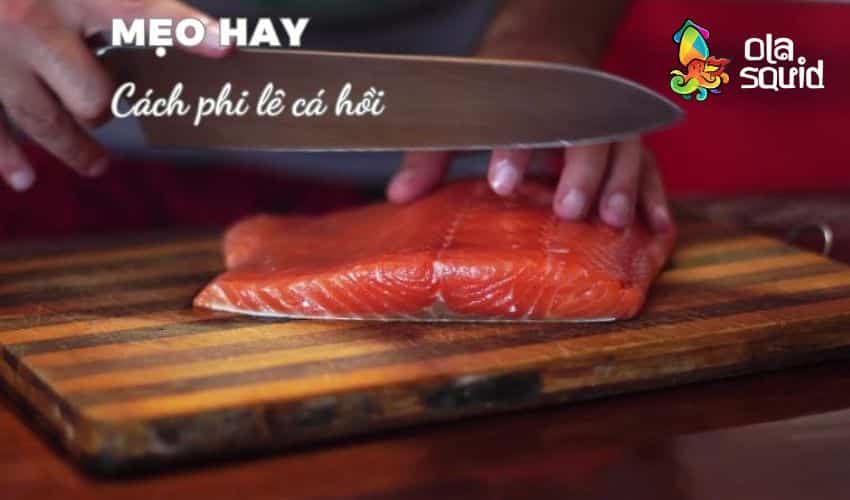
Step 3: Slicing
There are three common slicing techniques:
- Hira-zukuri: sliced horizontally about ~5mm thick, used for salmon, tuna
- Usu-zukuri: sliced paper-thin, used for white fish like sea bream, fugu
- Kaku-zukuri: square cut, used for bluefin tuna
Step 4: Plating
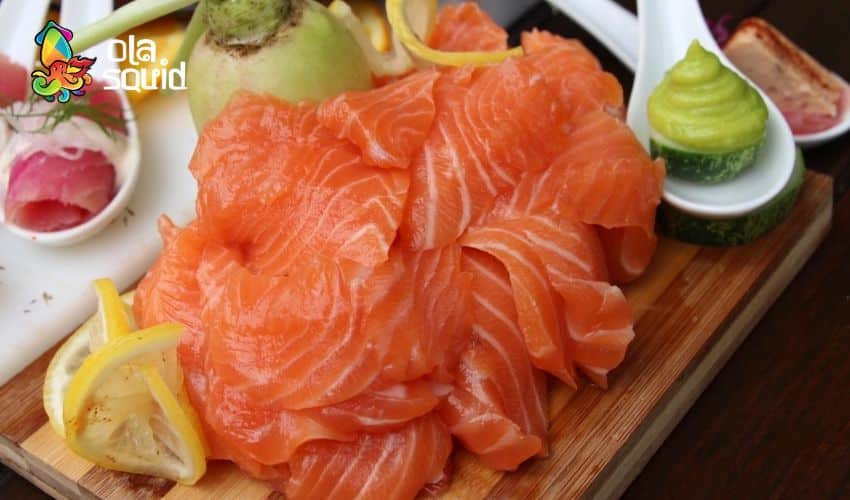
The Japanese believe the eyes must eat before the mouth. Sashimi slices are arranged in the shape of flowers, ocean waves, or steps. Combine contrasting colors between red fish, white fish, and green vegetables to create a harmonious overall look.
See more: What delicious dishes can be made with sea grapes? 7 fresh and healthy sea grape recipes
The Most Delicious and Popular Types of Japanese Sashimi
Below is a list of the most popular types of sashimi in Japan and around the world.
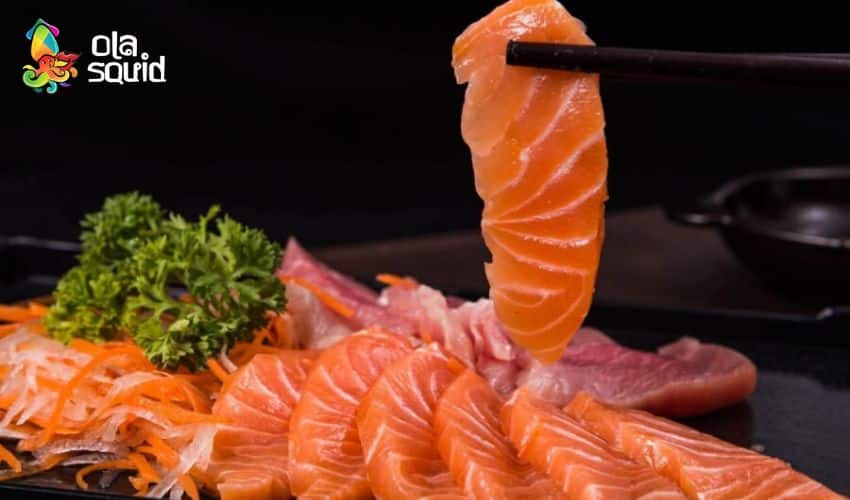
Salmon Sashimi
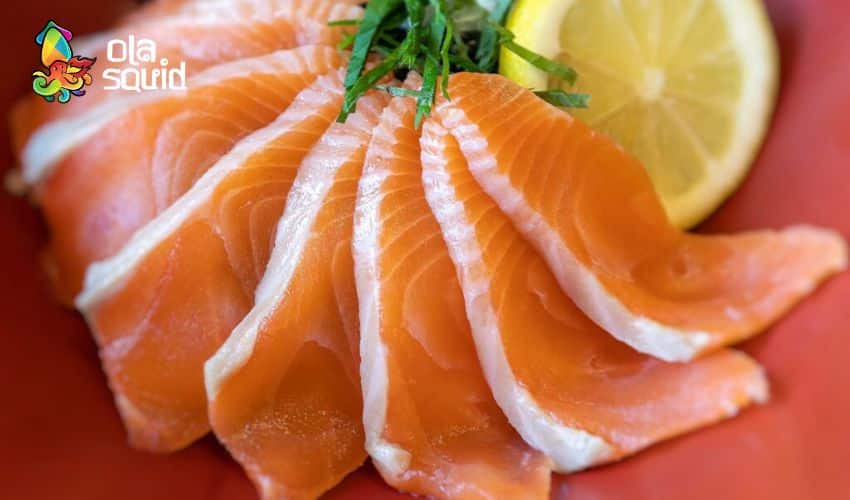
Sake sashimi (salmon sashimi) is the most popular type and is highly loved in Vietnam and internationally. Salmon meat has a beautiful orange-red color, a rich, fatty flavor that melts instantly on the tongue thanks to its high omega-3 content. Atlantic and Norwegian salmon are most commonly used, while wild salmon from Hokkaido is considered the pinnacle of this sashimi line.
See more:
- 15 attractive dishes made from salmon
- 3 ways to make delicious, non-fishy soy-marinated salmon
- What is salmon? Where does salmon live? Existing types and prices
Tuna Sashimi
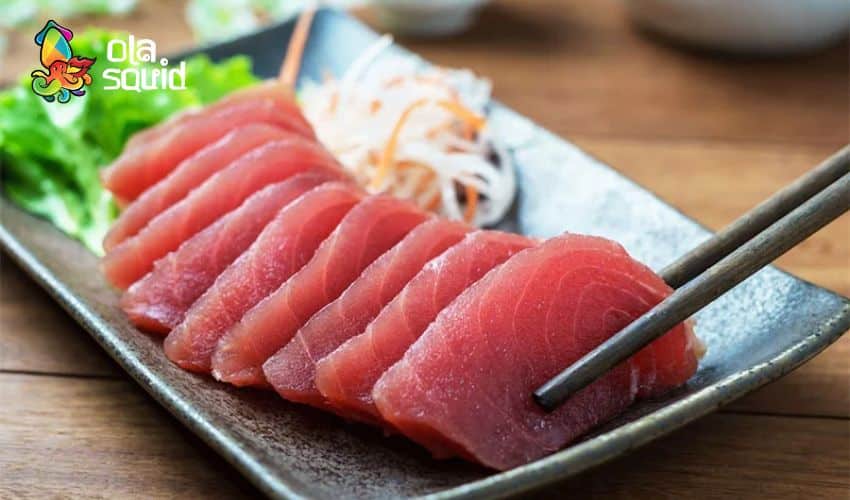
Maguro sashimi (tuna sashimi) is the type that Japanese chefs consider the “king of sashimi”. Bluefin tuna is the rarest species, with the belly part potentially costing millions of VND per 100g. Tuna meat has a deep red color, a rich, bold flavor, less fatty than salmon but with a signature firm and smooth texture. Notably, ocean tuna sashimi is highly valued for its nutrition with a protein content of up to 26g/100g.
Sea Bream Sashimi
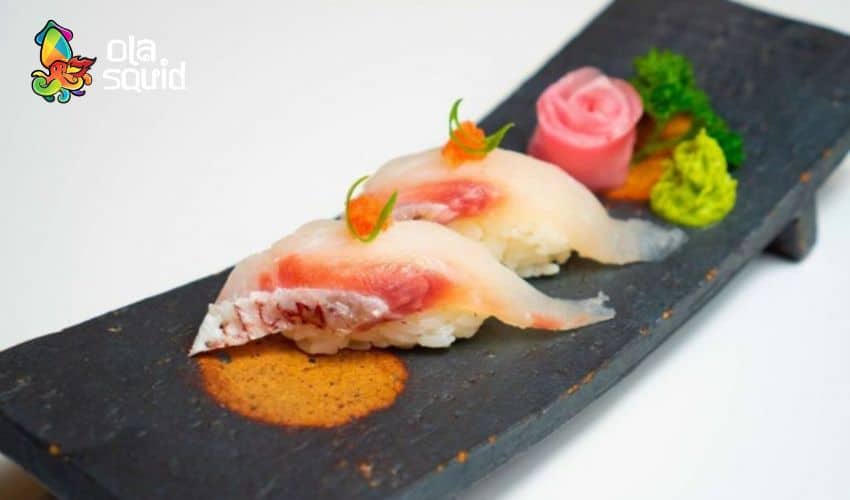
Tai sashimi (Sea Bream sashimi) is made from Japanese red sea bream — a fish symbolic of luck and prosperity in Japanese culture. Sea bream meat is pale pinkish-white, sweet and light in flavor, with a slightly chewy texture. It is often sliced in the usu-zukuri style (thin slices) to enhance the eating experience. This is an indispensable type of sashimi at traditional Japanese parties.
Yellowtail Sashimi (Hamachi)
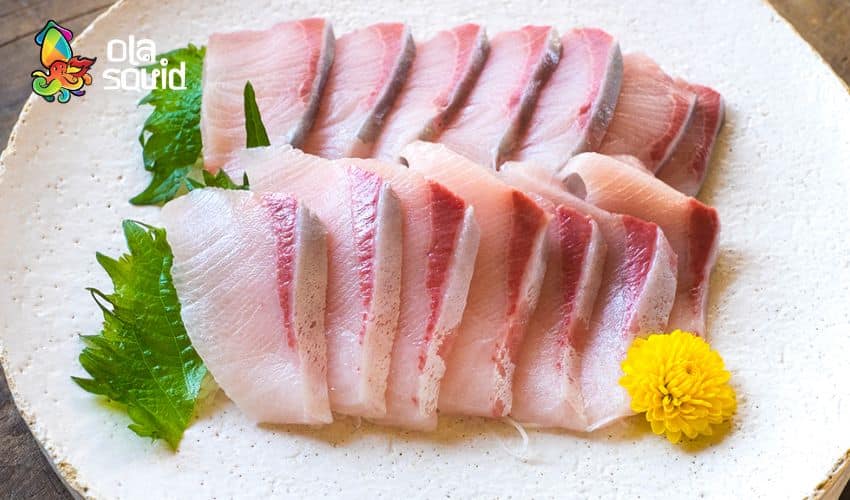
Hamachi sashimi (Yellowtail sashimi) has a moderate fatty and sweet flavor, with a smoother texture than tuna. Yellowtail is farmed in the waters of Japan and harvested at a young age (hamachi) to have the freshest flavor.
See more: What delicious dishes can be made with yellowtail? Revealing 12 easy-to-make homemade dishes
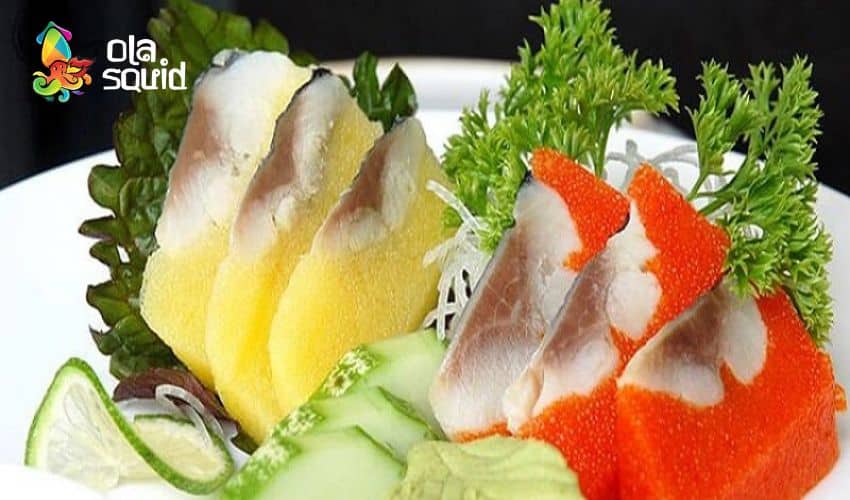
Herring Roe Sashimi (Kazunoko Nishin)
Herring roe is a special and rare type of sashimi made from herring with the roe sac intact. Kazunoko has a unique crunchy texture, a light salty taste, and often appears in the Japanese New Year’s meal, symbolizing fertility and prosperity.
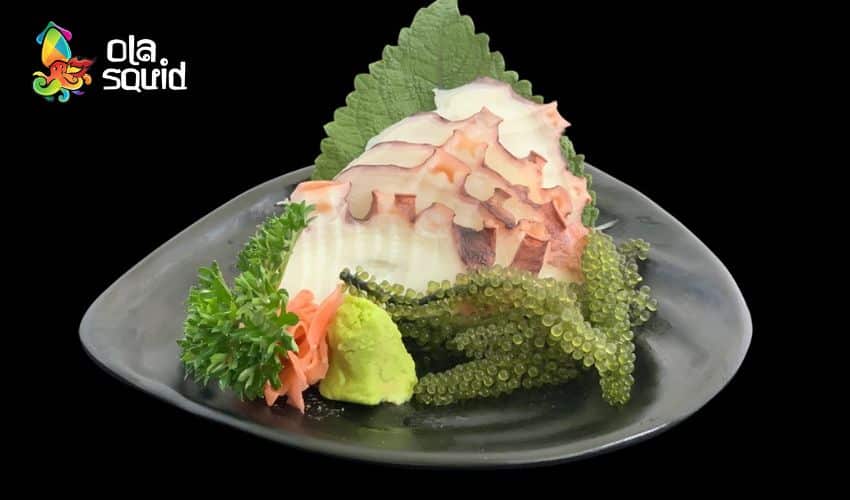
Octopus Sashimi (Tako)
Tako sashimi (Octopus sashimi) has a characteristic purple-white color and a chewy, crunchy texture completely different from fish. After being cleaned and blanched, the octopus is sliced thinly and served cold. The taste is sweet, light, and low-fat, suitable for those on a diet.
See more: What delicious dishes can be made with octopus? Suggestions for easy-to-cook dishes at home
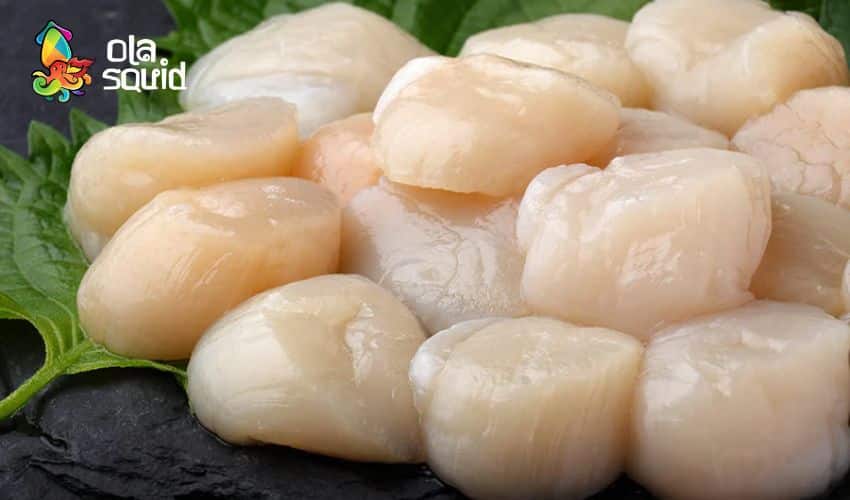
Scallop Sashimi (Hotate)
Hotate sashimi (Scallop sashimi) is made from fresh scallops, a high-end seafood farmed in Hokkaido. The scallop muscle is ivory white, with a delicate, milky sweet flavor that melts softly in the mouth. Hotate is usually sliced in half or left whole depending on the size. This is a type of sashimi particularly favored by Japanese food connoisseurs.
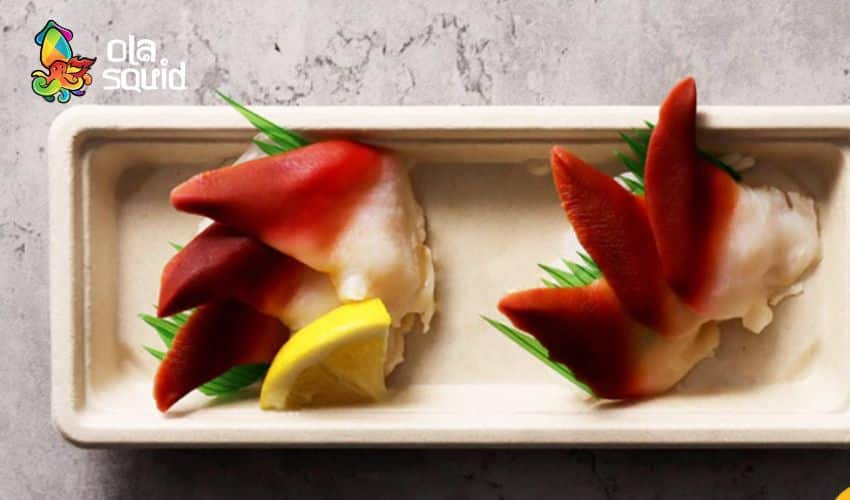
Japanese Red Clam Sashimi (Hokkigai)
Red clam sashimi has a characteristic reddish-brown color with eye-catching bright red edges. A crunchy texture, sweet and salty taste of the sea, and slightly chewy feeling create a completely different eating experience compared to scallops. Hokkigai is usually served with shiso leaves to balance the flavor.
Pufferfish Sashimi (Fugu)
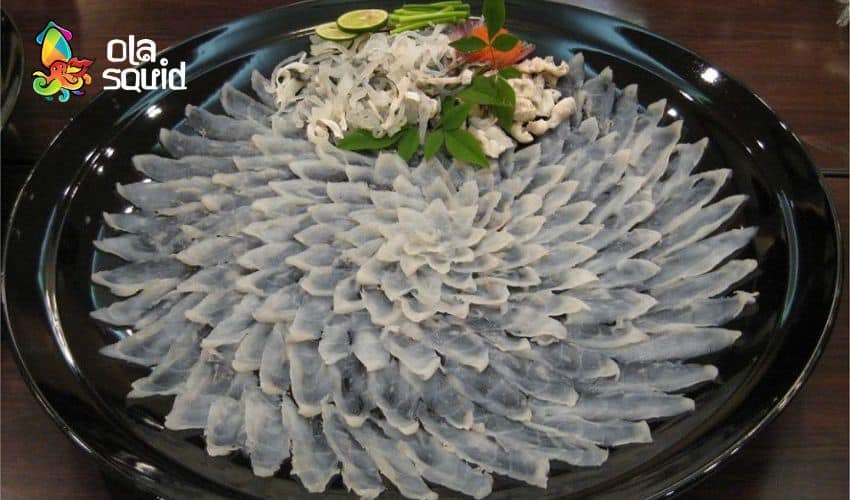
Fugu sashimi (Pufferfish sashimi) is the most dangerous and famous type of sashimi in the world because pufferfish contains tetrodotoxin, an extremely potent neurotoxin. In Japan, only chefs who have been specifically licensed after at least 3 years of apprenticeship and passing a national exam are allowed to prepare fugu. Pufferfish meat is translucent white, light in flavor, and is often sliced extremely thinly, arranged into a famous flower shape on the plate.
Squid Sashimi (Ika)
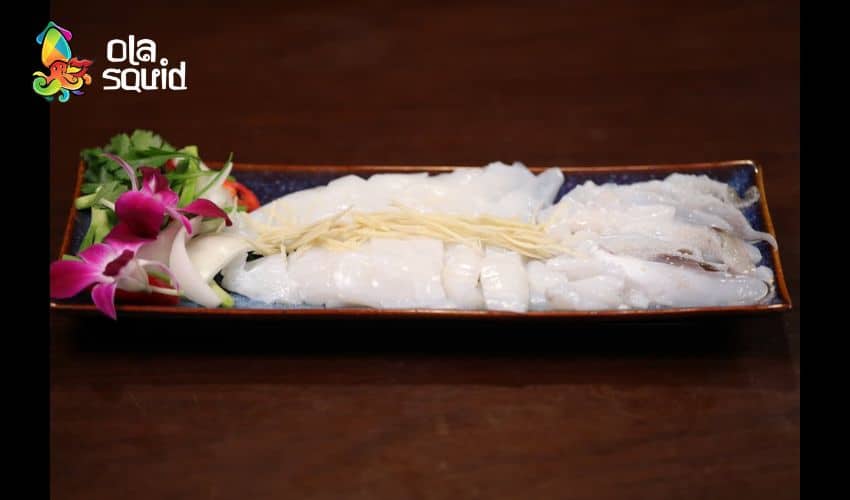
Ika sashimi (Squid sashimi) is made from fresh raw squid, usually squid tube or broad squid. Squid meat is translucent white, sweet in flavor, with a signature chewy and crunchy texture. Fresh squid, when sliced, looks almost transparent; this is the most accurate way to recognize freshness. Some restaurants serve squid sashimi made from live squid; this is a controversial yet extremely unique culinary experience.
Grouper Sashimi (Suzuki)
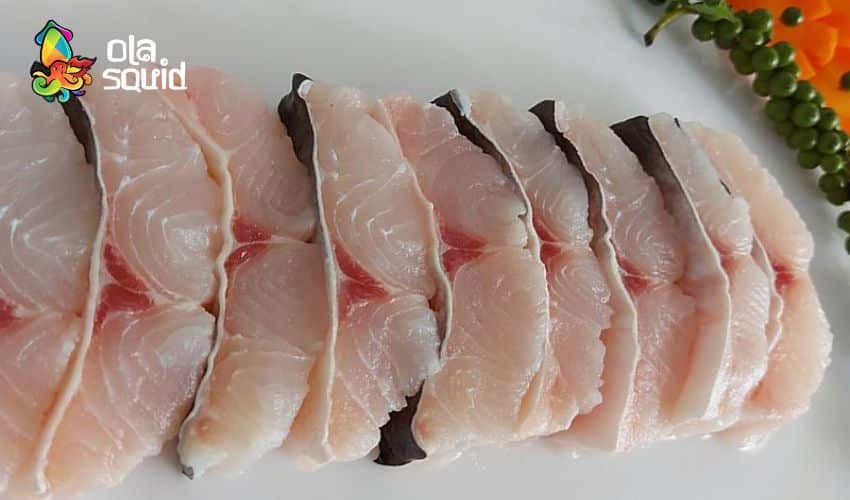
In Japan, suzuki (grouper sashimi) actually refers to Japanese sea bass, however, in the context of the Vietnamese market, grouper sashimi is also commonly mentioned. Grouper meat is opaque white, sweet and light in flavor, not very fishy, making it very suitable for beginners to enjoy sashimi. This is an ideal choice for those who are not yet used to the signature taste of raw fish.
See more: What is the best dish to make with grouper? Revealing 12 attractive grouper dishes
Horse Meat Sashimi (Basashi)
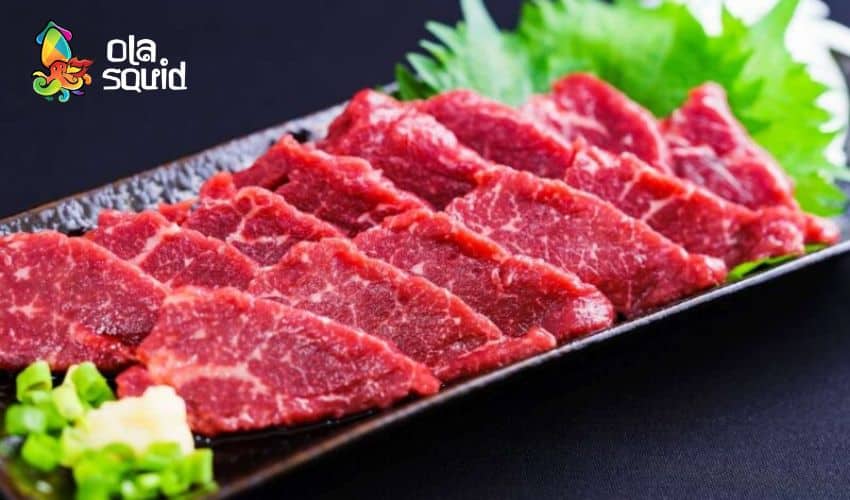
Basashi (Horse meat sashimi) is a dish made from fresh horse meat — a famous specialty of the Kumamoto region, Japan. Horse meat has a deep red to bright pink color, a sweet and light flavor, is less fatty than beef, and has a smooth texture. Basashi is usually served with fresh ginger, garlic, and soy sauce, not using wasabi like other seafood sashimi. This is a type of sashimi that attracts great curiosity from international tourists.
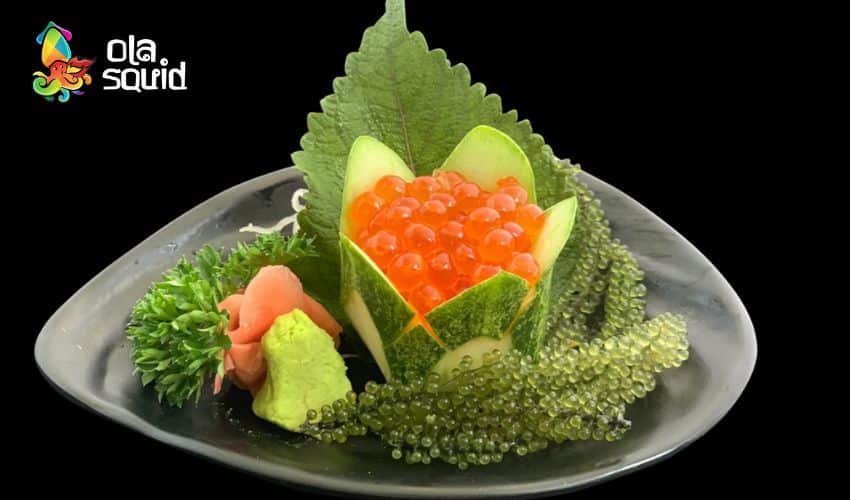
Salmon Roe Sashimi (Ikura)
Ikura (Salmon roe sashimi) has a glossy orange-red color, each grain round like a pearl, bursting on the tongue to release a characteristic salty, fatty flavor. Ikura is often served on a base of rice or in a small bowl as an independent form of sashimi. Each grain of salmon roe contains up to 80% water, the rest being protein and omega-3 oil.
See more: Is sturgeon caviar good? Classification, prices, how to eat and how to store
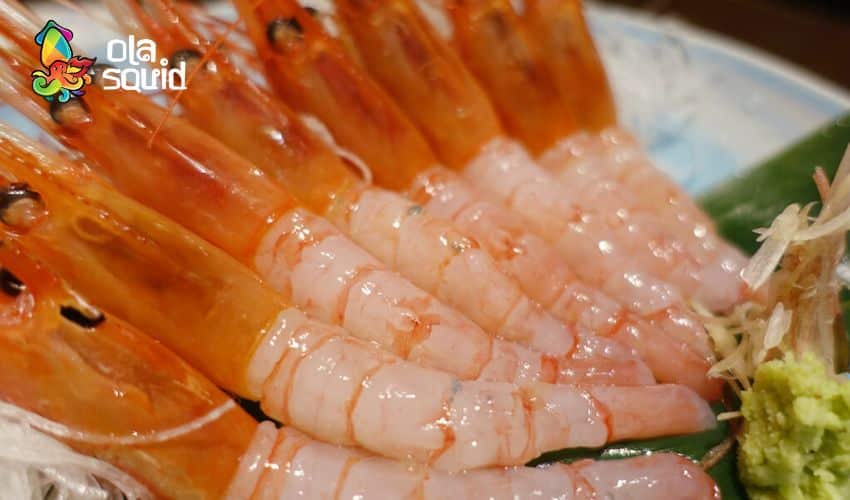
Sweet Shrimp Sashimi (Amaebi)
Amaebi sashimi (Sweet shrimp sashimi) is Japanese sweet shrimp with a pink-orange shell, translucent white meat that has a particularly delicate sweet taste. Amaebi shrimp are usually served whole, peeled on the spot, and eaten with deep-fried shrimp heads; nothing goes to waste. This is a type of sashimi with a melting quality likened to the butter of the sea.
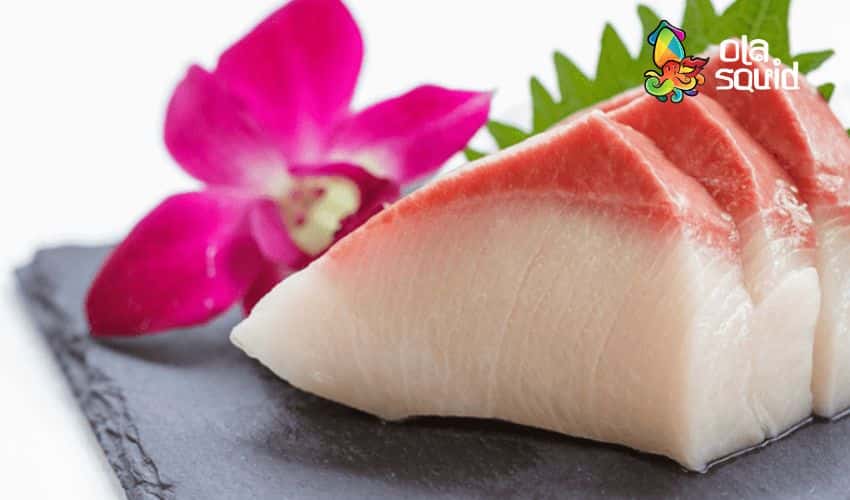
Yellowtail Sashimi (Kanpachi)
Kanpachi (Yellowtail sashimi) is a type of fish in the yellowtail family but larger than hamachi, having a bolder flavor, firmer flesh, and less fat. Do not confuse hamachi and kanpachi; even though they are in the same family, these two have clearly different flavors and textures. Kanpachi is highly valued in the Japanese culinary world for the perfect balance between fat and sweetness.
See more: What delicious dishes can be made with flounder? List 10 flavorful flounder dishes
Guide To Eating Sashimi Like A Local
Many people think eating sashimi is simply dipping and eating, but the Japanese have an entire delicate art of enjoyment that, if you do it correctly, will make the experience completely different.
- Step 1: Apply a moderate amount of wasabi directly onto the fish slice to awaken the sense of smell and support the digestion of fresh raw food.
- Step 2: Gently dip the edge of the sashimi slice into the soy sauce so as not to overpower the delicate, original sweet taste of the seafood.
- Step 3: Enjoy slowly to feel the perfect interplay between the rich, fatty taste of fresh fish and the characteristic stinging sensation.
- Step 4: Serve with a little seaweed mixed with sesame to increase the crunchy texture and bold flavor for a culinary experience.
- Step 5: Enjoy pickled ginger to cleanse the palate before changing dishes, helping you fully enjoy the flavor of each type of fish.
How Is Sashimi Different From Sushi?
This is an extremely common question, and many people still confuse these two dishes. In reality, sashimi and sushi are two completely different dishes, even though both use fresh raw fish.
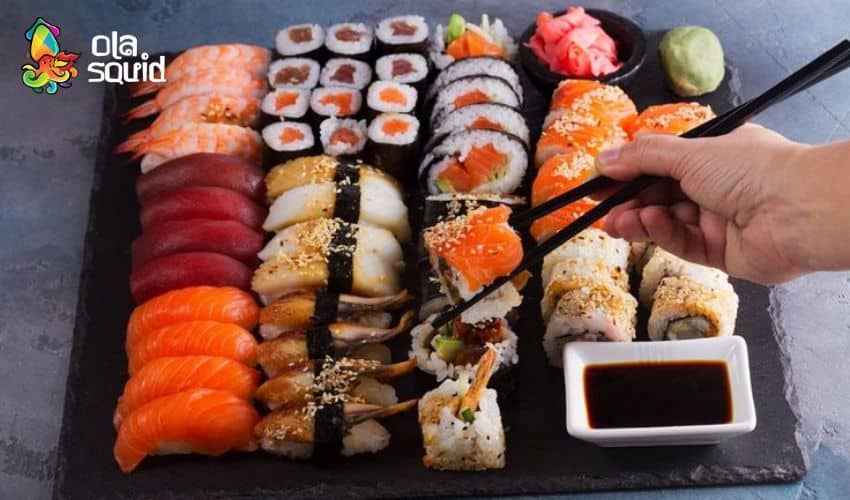
| Comparison feature | Sushi | Sashimi |
| Core ingredient | The key point is white rice mixed with sweet and sour vinegar. | The main ingredient is carefully selected fresh raw seafood. |
| Culinary art | A delicate combination of sticky, fragrant vinegar rice with fillings like fish, eggs, or vegetables. | Focuses on skillful cutting techniques to create thin, pure slices of raw fish. |
| Form | Very diverse in shapes such as rounds, rolls, or cones. | Presented as thin slices of meat/fish, delicately arranged on a porcelain plate. |
| Supporting accompaniments | Served with salmon roe, tofu, crab sticks, or avocado. | Served with natural “spices” like perilla leaves, shredded radish, or seaweed. |
| Standard usage | Can be eaten with hands or chopsticks, dip the fish side lightly into soy sauce. | Enjoyed with chopsticks, combined with soy sauce, wasabi, and pickled ginger for palate cleansing. |
| Order of enjoyment | Eat from white-fleshed fish with light flavors first, then move to red-fleshed fish with bold flavors. | Diners can freely choose their favorite seafood to eat first. |
| Position in the party | Often served as the main course. | Acts as the perfect appetizer. |
Frequently Asked Questions About Enjoying Sashimi (FAQ)
Is Eating A Lot Of Sashimi Good And What Should Be Kept In Mind?
Sashimi is an excellent source of lean protein, omega-3, and minerals. Nutritional research shows that Japanese people who consume raw seafood regularly have a significantly lower rate of cardiovascular disease compared to the world average. However, keep in mind:
- Pregnant women and young children should limit or avoid eating raw seafood due to the risk of listeria infection and parasites.
- People with compromised immune systems should be cautious.
- Mercury content: Large tuna can contain high mercury; should not be eaten more than 2–3 times/week.
How To Recognize Fresh And Delicious Sashimi Through Color And Smell
Recognizing fresh sashimi is an extremely important skill to ensure food safety when eating raw food:
- Bright, naturally iridescent colors
- Light, fresh scent, clean sea smell, no strong fishy odor
- Firm texture, elastic when pressed lightly
- Fish meat is not dripping or slimy
Why Is Sashimi Often Served On A Bed Of Ice?
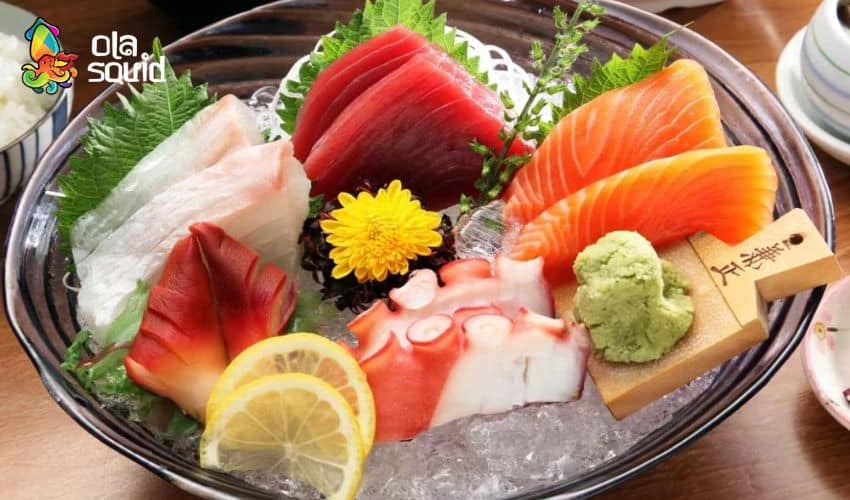
This is an interesting question with a specific scientific reason. Sashimi is placed on a bed of ice because:
- Bacterial temperature control: Harmful bacteria multiply fastest at 4–60°C. Ice keeps the surface temperature below 4°C, completely inhibiting bacterial growth during service.
- Preserving texture: Cold temperature keeps fish meat firm, preventing it from softening due to self-digesting enzymes.
- Enhancing flavor: Cold temperature slows down the oxidation of fats, keeping fatty fish like salmon and tuna from becoming rancid.
- Aesthetics: The ice plate creates a thin “misty” effect when meeting warm air — increasing luxury and stimulating the eyes.
Hopefully, through this article, you have clearly understood What is Sashimi? Through it, you also see that it is not just a dish, sashimi is an entire Japanese culinary philosophy: respect for ingredients, minimalism in preparation, and subtlety in enjoyment. From the stage of selecting fish to the native way of enjoyment, every detail contributes to creating a high-class culinary experience. Don’t forget to visit the culinary corner of Ola Squid to update more useful knowledge and attractive seafood cooking recipes every day!
If you’re looking for the highest quality dried seafood to complement your meals, explore our premium range at Ola Squid Shop.