

 Tiếng Việt
 ไทย
ไทยShrimp is a familiar food in the meals of many Vietnamese families due to its delicious taste, ease of preparation, and nutritional richness. However, for those concerned about their physique or those on a diet, the question how many calories in 100g of shrimp and whether eating shrimp makes you gain weight is always a point of attention. To answer accurately, let’s join Ola Squid to explore in detail the nutritional value as well as how to eat shrimp properly right in this article!
1. How many calories in 100g of shrimp? Nutritional value of shrimp
Shrimp is a nutritious food, containing many proteins, vitamins, and minerals but is low in fat, making it very suitable for dieters and those controlling their weight. On average, 100g of shrimp provides about 80 – 100 calories, however, this number can vary depending on the type of shrimp and the method of preparation.
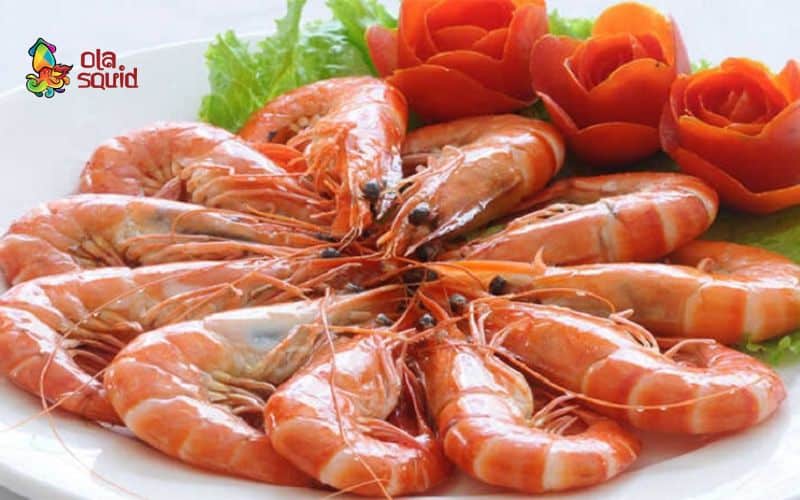
Boiled or steamed shrimp dishes usually have lower calories compared to stir-fried, braised, or deep-fried shrimp. Specifically, 100g of steamed or boiled shrimp contains about 92 calories, steamed tiger shrimp is about 130 calories, steamed lobster is about 145 calories. Meanwhile, dishes prepared with a lot of oil such as shrimp stir-fried with meat, braised shrimp, or fried shrimp have higher calories, ranging from 117 – 160 calories/100g. Dried shrimp or dehydrated shrimp also have quite high energy levels, about 159 calories/100g.
Besides calories, shrimp is also a rich source of essential nutrients for the body. In 100g of shrimp, there is about 20g of protein, very little fat, along with many important minerals such as calcium, magnesium, phosphorus, potassium, zinc, and iron. In addition, shrimp also contains B vitamins, especially vitamin B12, which contributes to supporting energy metabolism and enhancing overall health.
2. Benefits of shrimp for health
Once you know how many calories are in 100g of shrimp, many people will be surprised that the energy level is low but the value it brings is very high. Adding shrimp to your diet helps:
- Good for cardiovascular health: Rich in omega-3 (EPA, DHA) which helps reduce inflammation, supports heart protection, and limits the risk of cardiovascular disease.
- Supports brain function: Provides choline, iodine, and omega-3 which help enhance memory, concentration, and maintain stable nerve activity.
- Rich in high-quality protein: Helps build and maintain muscle, creates a long-lasting feeling of fullness, suitable for people on a diet or losing weight.
- Low fat, supports weight control: Lower calorie count than many types of meat, helping to limit fat accumulation when eaten reasonably.
- Supplements essential minerals: Calcium, phosphorus, zinc, and iron help bones stay strong, preventing osteoporosis and anemia.
- Enhances resistance: Selenium and zinc help improve the immune system, protecting the body against harmful agents.
- Antioxidant, reduces inflammation: Antioxidant compounds in shrimp help protect cells and slow down the aging process.
- Good for the thyroid: Natural iodine content supports stable thyroid function.

3. Does eating shrimp make you fat?
Eating shrimp does not cause weight gain if consumed in reasonable amounts and prepared correctly. According to nutrition experts, whether you gain weight or not depends on the total amount of calories you consume each day, how the food is prepared, and the energy level your body burns.
An adult needs about 1,800 – 2,200 calories/day to maintain weight. On average, 500g of shrimp provides nearly 500 calories, lower than many types of meat. Therefore, if you balance your daily diet and limit other high-energy foods, you can completely enjoy shrimp without worrying about gaining weight.
Additionally, shrimp is rich in protein, which helps create a feeling of fullness for a long time, supports muscle development, and is very suitable for people who are losing weight or maintaining their physique. Although it contains cholesterol, in moderate amounts and when eaten in moderation, shrimp does not affect your diet much. In particular, shrimp also provides good fats like omega-3, which bring health benefits.
However, fried or stir-fried shrimp dishes with lots of oil or heavy seasoning can significantly increase calorie intake, easily causing weight gain if eaten frequently. Therefore, to eat shrimp without getting fat, you should prioritize boiling, steaming, or pan-searing with little oil and combining it with green vegetables in your daily meals.
>>> See more: [Answered] How many calories in 100g of squid? Does eating squid make you fat?
4. How to eat shrimp properly for weight loss
Shrimp is a good source of protein, with a calorie count only slightly higher than tofu, making it very suitable for a diet plan:
- Prioritize simple preparation: Choose boiled or steamed shrimp instead of deep-fried, stir-fried, or grilled to limit calories, fat, and cholesterol.
- Eat in moderate amounts: Do not eat too much shrimp in one meal to avoid bloating, indigestion, or stomach discomfort.
- Combine with healthy foods: Should eat shrimp with green vegetables, whole grains, or low-fat foods to balance nutrition.
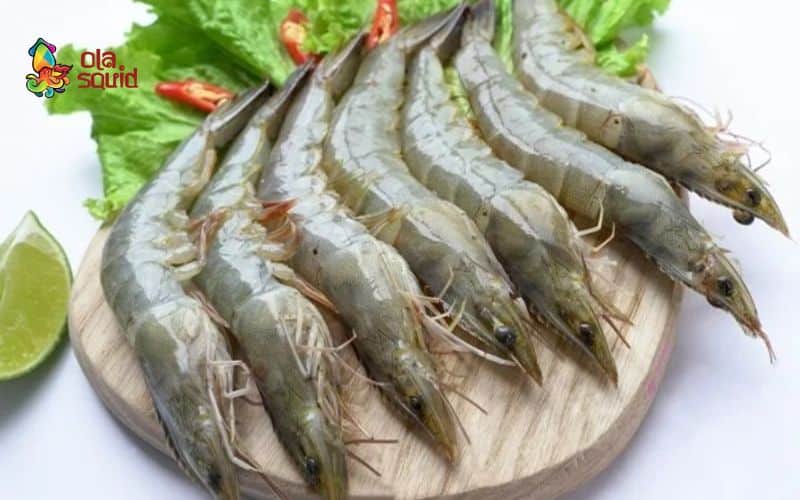
- Choose fresh shrimp: Limit the use of pre-processed shrimp dishes as they often contain many additives and preservatives.
- Control total calorie intake: Calculate the energy from all foods throughout the day, ensuring it does not exceed about 1,800 calories/day.
- Note cholesterol: People sensitive to cholesterol should consider their portion size or frequency of eating shrimp.
- Be careful with seafood allergies: If you have a history of shrimp allergies or experience unusual symptoms after eating, stop consumption and seek medical advice.
5. Some notes when eating shrimp
Although it brings many benefits, for shrimp consumption to be truly healthy and not affect your weight, you should also note:
- People with gout should limit: The purine content in shrimp can increase uric acid, easily triggering gout attacks.
- Be careful if you have a cough, asthma, or red eye: Eating shrimp while having these symptoms can prolong or worsen the condition.
- Should not be used if the digestive system is weak: Shrimp is rich in protein, difficult to digest, and can easily cause bloating or digestive disorders if eaten improperly.
- People with open wounds, prone to scarring should avoid: Shrimp can slow down skin healing and increase the risk of infection.
- Do not eat too much for a long time: Eating a lot of shrimp can increase cholesterol and put pressure on the cardiovascular system.
- Cook just right: Shrimp should not be overcooked as it will deplete nutrients and reduce the nutritional value of the shrimp.
>>> Delicious dishes you may be interested in:
With the detailed information above, hopefully, it has helped you answer the question “how many calories in 100g of shrimp” at the beginning of the article as well as understand more about the benefits and proper ways to eat shrimp. If you want to learn more useful information about other seafood or delicious daily cooking recipes, don’t forget to visit our Ola Squid Homepage and Ola Squid Blog to update the latest articles!