
 Tiếng Việt
 ไทย
ไทยWhen suffering from scratches, cuts, or having just undergone surgery, many people are often advised to avoid seafood, especially squid. So, can you actually eat squid with an open wound, and does eating squid really cause keloids or delay healing as many people think? This article by Ola Squid will help you clearly understand the impact of squid on the skin recovery process, how long you should abstain, and suitable alternative foods so the body can recover quickly while still receiving sufficient nutrition.
Can you eat squid with an open wound?
The answer is you should NOT eat it, especially during the stage when the wound is still open, forming a scab, or just beginning to grow new skin. This is a time when the skin is very sensitive and the process of new tissue regeneration is taking place vigorously, so your diet can directly affect the speed of recovery as well as the risk of scar formation.
One of the reasons why squid is often on the list of foods to avoid is because it contains a fairly high protein content. Protein plays a role in supporting collagen production to heal injuries; however, if collagen overproliferates and does so unevenly, new tissue layers can easily overlap, thereby increasing the risk of keloid formation, especially in people with sensitive skin.
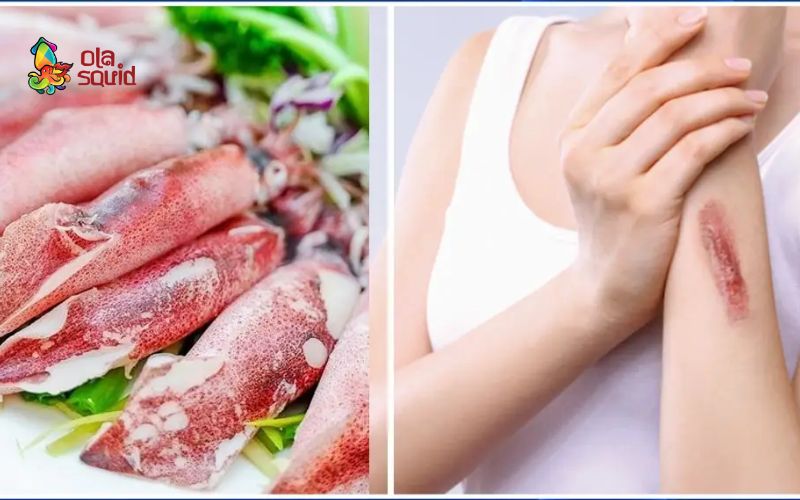
In addition, squid is a type of seafood that contains natural salt and some characteristic marine bacteria. While the body is recovering, eating squid can cause the injured area to easily experience mild inflammatory reactions, causing itching, redness, pus, or making the wound take longer to dry in some cases.
However, not everyone who eats squid will develop keloids. People with normal skin types usually have a lower risk, but to ensure the wound heals beautifully and to limit risks, experts still recommend avoiding squid until the skin has completely healed and stabilized.
Fresh squid vs. dried squid – which one should be avoided more when having a wound?
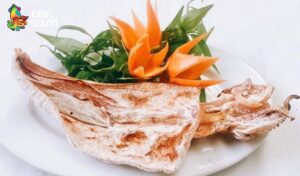
When you have an open wound, both fresh and dried squid are foods that should be limited because they have quite similar mechanisms affecting the skin recovery process. Both contain high amounts of protein, which can stimulate collagen production. If collagen develops excessively and unevenly, the risk of keloid formation will be higher, especially in people with sensitive skin.
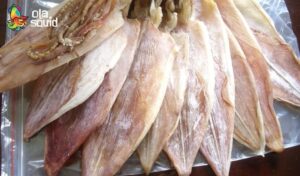
However, dried squid is often considered more important to avoid because the protein content is concentrated after drying. On average, 100g of dried squid can contain about 60g of protein, much higher than fresh squid of the same weight. Additionally, dried squid also contains a high amount of salt, which can easily irritate the injured skin area or make it take longer to heal.
Therefore, whether it is fresh or dried squid, you should limit its consumption while the wound is not yet fully healed. Neither type is considered safer when the body is in the stage of skin regeneration and injury healing.
How long should you avoid squid depending on the type of wound?
The time to avoid squid will vary depending on the severity of the skin injury and the individual’s recovery ability. Avoiding it for the right amount of time helps limit the risk of keloids, dermatitis, and supports faster wound healing.
- Minor, shallow scratches: For small scratches or shallow cuts, you should avoid squid for at least 1-2 weeks. You should only start eating it again when the skin has completely dried and has begun to form stable new skin.
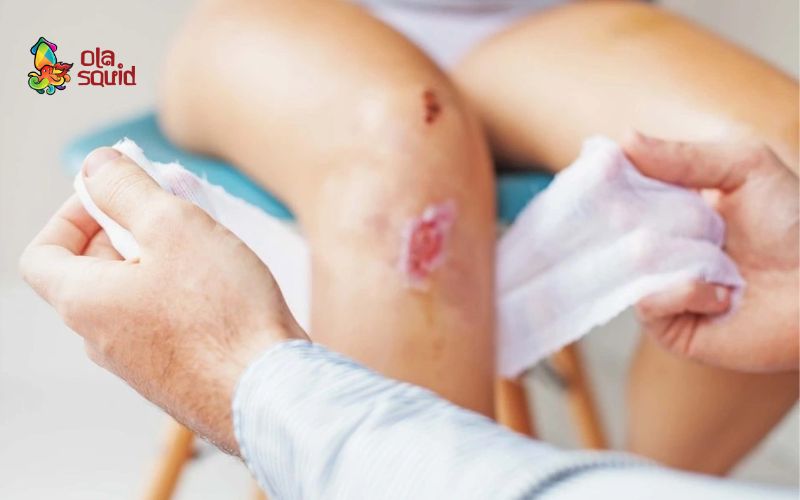
- Moderate open wounds with stitches: Deeper wounds or those requiring stitches usually need a longer recovery time. It is best to avoid it for about 3-4 weeks to limit the risk of keloids and irritation of the injured skin area.
- After major surgery: Cases such as appendectomies, abdominal surgery, or surgical procedures are often recommended to avoid squid for 1-2 months, depending on the recovery status and the doctor’s instructions.
- After cosmetic procedures: With beauty interventions such as rhinoplasty, eyelid surgery, tattooing, or minor cosmetic surgery, the common abstention period is about 1 month to 6 weeks for the skin to recover beautifully and with an even color.
- Postpartum: Women who have a natural birth should avoid it for about 1-2 months. With a C-section, the abstention period may last from 2-3 months because the incision requires more time to heal.
The general rule is that you should only start eating it again when the wound has fully healed, the new skin is stable, and there is no longer any redness, itching, or discharge. When you start eating it again, you should try a small amount first to monitor your body’s reaction.
Besides squid, what else should be avoided when having an open wound?
During the time the wound is recovering, besides squid, you should also limit some foods that can easily increase the risk of keloids, dark scars, or cause the injured skin to heal more slowly. A proper diet will support stable skin regeneration and limit unwanted complications.
- Water spinach: Water spinach has the ability to strongly stimulate the proliferation of collagen and fibrous tissue. If collagen develops excessively or unevenly, the wound is likely to form keloids and spread further.
- Glutinous rice dishes: Dishes made from glutinous rice such as sticky rice, Chung cake, and sticky rice pudding are often considered “hot” in nature, easily causing swelling, inflammation, pus, and slowing down the process of the wound drying out.
- Chicken: Chicken can cause itching and irritation in the area where new skin is growing. For some people with sensitive skin, eating chicken can also make the wound uncomfortable and slower to heal.
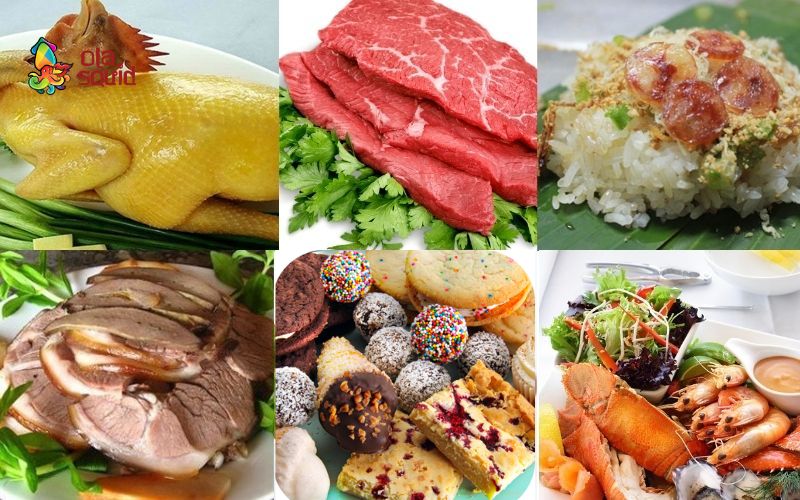
- Beef: Although rich in nutrients and protein, beef carries the risk of increasing melanin pigment under the skin, making the scar after healing easily become darker and more pigmented.
- Seafood in general: Not just squid, other types of seafood such as shrimp, crab, etc., can also easily cause irritation and increase the risk of inflammation and itching during the skin recovery phase, especially in people with allergies or a tendency to develop keloids.
- Sweets and sugary foods: Candy, soft drinks, or foods containing too much sugar can affect the collagen and elastin regeneration process, causing the skin to recover more slowly.
- Tea and coffee: Drinks containing caffeine can dehydrate the body, reduce blood circulation to the injured area, and affect the skin’s natural recovery ability.
>>> Read more: What should you not eat with squid? A guide to eating squid properly and safely
If you abstain from squid, what should you eat instead to get enough protein?
While avoiding squid, the body still needs to be supplemented with sufficient protein and nutrients to support tissue regeneration, wound healing, and increase resistance. Instead of abstaining too strictly, you should choose foods that are less irritating but still nutrient-rich.
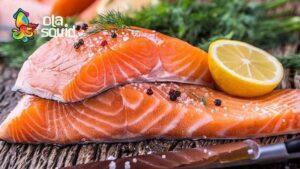
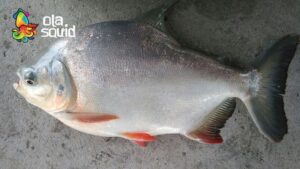
- Protein-rich, low-irritation food groups: You can replace squid with white fish such as snakehead fish, carp, salmon, along with lean pork or tofu. These are all easily digestible protein sources that are less likely to cause itching or irritation than seafood.
- Foods rich in vitamin C: Oranges, guava, grapefruit, bell peppers, broccoli, or spinach help the body synthesize collagen properly, support faster skin recovery, and enhance natural immunity.
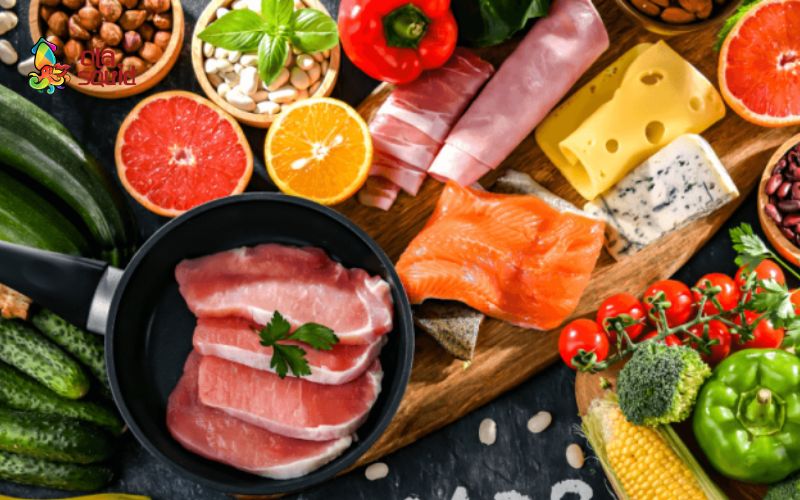
- Vitamin E and zinc supplementation: Foods such as avocados, sunflower seeds, almonds, milk, or animal liver contain high amounts of vitamin E and zinc – important nutrients that help with antioxidant properties, tissue regeneration, and limiting the formation of bad scars.
- Iron-rich foods: Tofu, cereals, nuts, and lean pork help supplement iron, support red blood cell production, and promote the wound healing process.
- Drink enough water every day: Water helps transport nutrients to the injured skin area, keeps the skin soft, and supports a more effective recovery process.
The important thing is not to abstain too much. If the body is deficient in nutrients for a long period, the immune system will weaken, causing the wound to heal slowly and increasing the risk of infection or leaving scars.
Hopefully, the detailed information above has helped you answer the question “can you eat squid with an open wound?”. Besides appropriate abstention, building a scientific diet and taking care of the wound properly are also important factors to help the skin recover faster and more beautifully. If you want to learn more useful knowledge about fresh squid, dried squid, as well as how to process and store seafood, do not forget to visit the Ola Squid Blog to update more useful and interesting articles.