
 Tiếng Việt
 ไทย
ไทยRiver eel has always been dubbed the “black gold” of the waterways thanks to its superior nutritional value and an unmistakable, distinctive flavor. This is a rare specialty fish that often appears on high-end menus at luxurious restaurants. However, not everyone fully understands the origins, biological characteristics, or the actual market price of this aquatic product.
This article will provide you with a comprehensive look at the eel species, helping you answer the question of how much eel costs per kg and how to select the highest-quality fish for your family meals.
What is river eel?
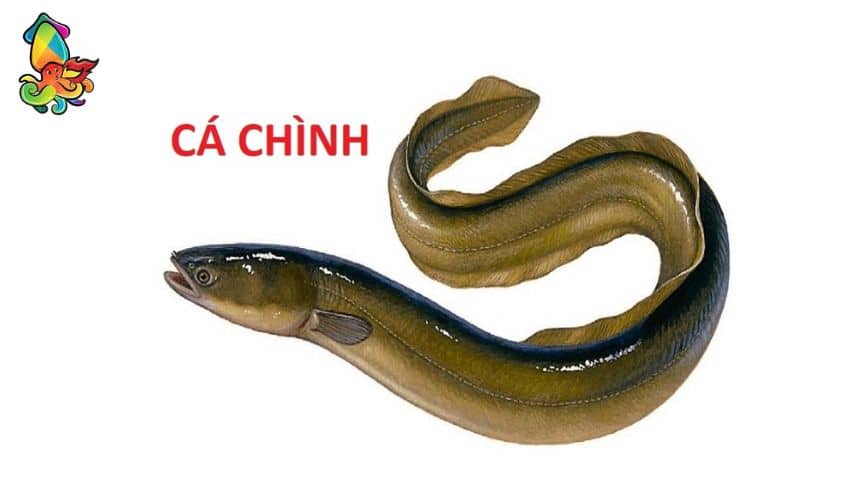
The eel belongs to the Anguillidae family, a type of bony fish with a shape very similar to a snake or an eel, but it is often much larger. In Vietnam, river eels are mainly found in the lower reaches of rivers flowing into the sea or in brackish water areas. They are a special migratory species that grow in freshwater but return to the deep ocean to reproduce.
Physical characteristics and living habits of river eels
In terms of appearance, the river eel has a long, cylindrical body that tapers toward the tail. The fish’s skin is smooth, without distinct scales or with very small scales hidden deep under the layer of mucus covering its entire body. The color of the fish usually varies depending on the habitat, ranging from bluish-gray and dark brown to light yellow on the belly. A key identifying feature is that their dorsal, anal, and caudal fins are continuous, creating a fin strip that runs along the back of the body.
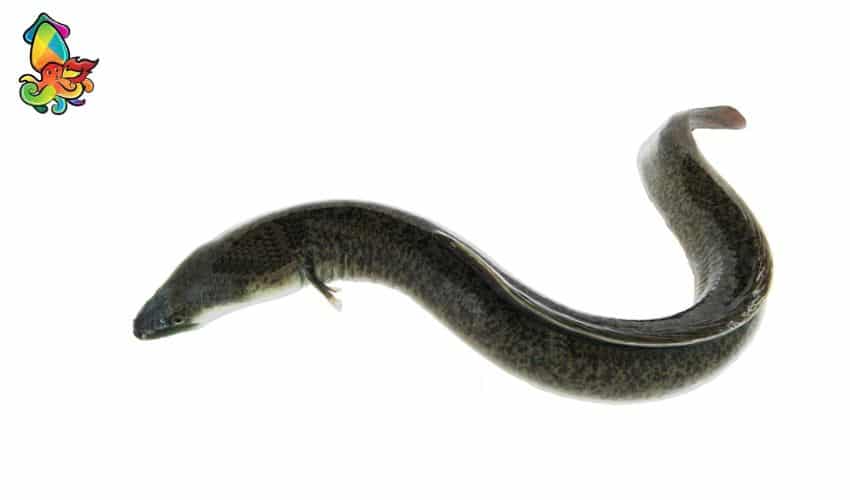
The living habits of this fish species are incredibly interesting:
- Habitat: They prefer caves and rock crevices at the bottom of rivers where the current is slow, or in brackish lagoons.
- Adaptability: Eels have an excellent ability to breathe through their skin, allowing them to survive outside of water for a long period if kept moist.
- Hunting habits: This is a predatory species that usually hunts at night. Their favorite foods include shrimp, small crabs, small fish, and other crustaceans.
- Migratory cycle: When they reach adulthood, they embark on a journey of thousands of kilometers from the rivers back to the deep sea to lay eggs, and then their life cycle ends there.
Thanks to their active lifestyle and abundant natural food sources, the meat of river eels always retains its signature sweetness and firmness. This is also why gourmets are always seeking out this type of fish, even though the cost involved is not small.
How to distinguish between river eels and sea eels
Distinguishing between river eels and sea eels is very important because it affects their price and flavor, which differ significantly. In terms of appearance, sea eels are usually larger, with skin colors that lean towards a uniform black or dark gray, while river eels often have characteristic mottled patterns or brownish-yellow colors.
Below are some detailed comparison criteria between the two types:
- Firmness of the meat: River eel meat is usually firmer and chewier because they have to constantly swim against the water current. Sea eels have larger meat fibers but sometimes lack the characteristic crispness of the skin found in river eels.
- Flavor: Freshwater eels have a distinct, rich, and fatty aroma. Sea eels sometimes have a stronger oceanic fishy smell, and the meat is not as mildly sweet.
- Common size: Wild-caught river eels usually weigh from 1kg to 5kg. Meanwhile, sea eels can reach weights of tens of kilograms each.
- Market value: Generally, the price depends heavily on whether it is a river eel or a sea eel, with river eels usually costing more due to their superior meat quality and richness.
How much is river eel per kg?
The price of river eel is not fixed but fluctuates based on the season, size, and especially whether it is frozen or fresh. In large cities like Hanoi or Ho Chi Minh City, the price of eel is usually high due to the complex costs of transportation and keeping them fresh. Generally, the larger the eel, the higher the price per kg because the meat of a large fish is often thicker, firmer, and tastier than that of a smaller one.
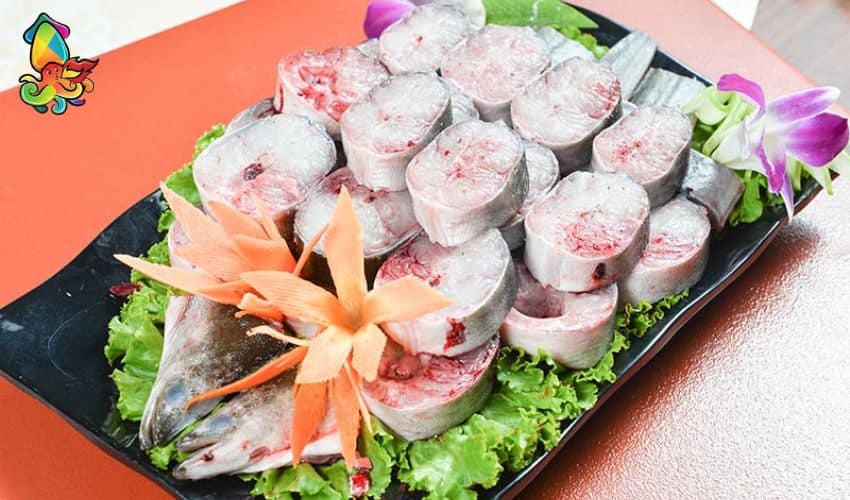
Below is a reference market price list for the question of how much eel costs per kg currently:
- Fresh live eel (1kg – 2kg/fish): Ranges from 450,000 VND to 600,000 VND/kg.
- Fresh live eel (over 2kg/fish): Ranges from 600,000 VND to 850,000 VND/kg.
- Frozen eel: Prices are usually cheaper, around 350,000 VND to 450,000 VND/kg, but the flavor will not compare to fresh fish.
- Natural mottled eel: This is the most expensive type, which can go up to 1,000,000 VND/kg during times of scarcity.
Health benefits of river eel
Beyond being a luxury dish, the river eel is also considered a natural tonic. According to modern nutritional studies, eel meat contains large amounts of Vitamin A, Vitamin B1, B2, D, and E. In particular, the amount of Vitamin A in eel is many times higher than in common livestock meat, which is great for vision and skin cell regeneration.
One of the most valuable components in river eel is Omega-3 fatty acids (EPA and DHA). These nutrients play an important role in protecting the cardiovascular system, reducing bad cholesterol, and supporting brain development. For children in the developmental stage, adding eel to their diet will help enhance intelligence and concentration.
Below are the health benefits of river eel:
- Enhance vitality: According to traditional Eastern medicine, eel has a neutral nature and sweet taste, acting to replenish deficiencies and dispel rheumatism. This is a great dish to enhance vitality for men and restore health for the elderly.
- Support bone and joint health: Abundant amounts of Calcium and Vitamin D help prevent osteoporosis and reduce joint pain symptoms in the elderly.
- Beautify skin: The natural collagen layer under the fish skin helps improve skin elasticity, prevent aging, and fade wrinkles.
- Good for the digestive system: Fish meat is easy to digest, does not cause bloating, and is suitable for those with sensitive digestive systems.
Secrets to preparing and cooking river eel at home
Many people want to buy river eel to cook but are hesitant about the preparation stage. In reality, eels have a lot of slime and a distinct fishy odor that, if not handled correctly, will reduce the flavor of the dish. To preserve the sweetness and essence of the fish meat, you need these small but extremely effective tips when preparing eel.
How to clean slime and remove fishy odor from eels
The slime layer of the river eel is very thick and slippery. To completely remove this slime, you can apply one of the following three methods:
- Use hot water and wood ash (or flour): Pour hot water at about 60-70 degrees Celsius over the fish, then rub wood ash or flour evenly. When the slime layer solidifies, use a knife to scrape it clean from head to tail.
- Use salt and vinegar: Rub a mixture of salt and vinegar (or lime juice) over the fish body for about 5 minutes. The acid in the vinegar and the salinity of the salt will dissolve the slime and effectively deodorize the fishiness.
- Use lemongrass or bamboo leaves: Use a handful of crushed lemongrass or bamboo leaves and rub them continuously over the fish body. This method not only cleans the slime but also imparts a natural fragrance to the fish skin.
After cleaning the slime, you should gut the fish, remove the organs, and especially clean the blood along the fish’s spine. This is the main cause of the strong fishy odor if not washed thoroughly. Finally, rinse the fish with ginger water or white wine so the river eel is completely clean and ready for the next marinating steps.
Delicious dishes made from river eel
Once you have clean ingredients, cooking river eel becomes simpler than ever because the meat itself is already very delicious. Depending on your preference, you can turn it into many different dishes, from rustic to elaborate. Below are the 3 most classic eel dishes that you can perform yourself at home:
Eel grilled with galangal and fermented rice
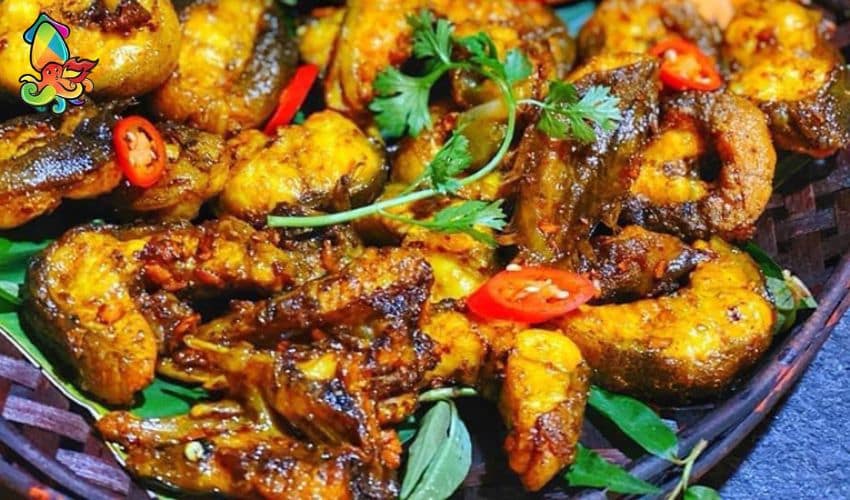
This is a simple dish that highlights the fat of the fish. The fish meat is cut into chunks, marinated with finely crushed galangal, fermented rice (mẻ), shrimp paste, and a bit of turmeric. When grilled over hot coals, the fish skin is crispy and fragrant, while the inside remains moist and sweet.
Ingredients:
- 1 eel (1 – 2 kg)
- 1 galangal root, 3 stalks of lemongrass, 1 purple onion, 1 clove of garlic, 1 ginger root, 1 fresh turmeric root
- ½ tablespoon shrimp paste
- Cashew oil, honey, sugar, MSG, seasoning powder, ground pepper, fish sauce, chili
- Green banana, cucumber, vermicelli, rice paper, fresh herbs
Instructions
- Prepare the fish: Wash the eel fillet in diluted saltwater to remove fishiness and slime, then pat dry and cut into bite-sized pieces.
- Prepare spices: Peel and crush the galangal; filter the fermented rice to get a smooth liquid, discarding the solids so the sauce mixture is not gritty.
- Mix the marinade sauce: Mix galangal, fermented rice, shrimp paste, sugar, a little cooking oil, and seasonings to create a thick, fragrant sauce.
- Marinate the fish: Spread the sauce evenly over the eel slices, stir gently, and let it sit for about 20-30 minutes for the meat to absorb the flavors.
- Grill: Arrange the fish on a grill at about 200-220 degrees Celsius for 25-30 minutes until the fish is golden and fragrant.
See more: What are some delicious dishes to make with Hemibagrus? 12 rich dishes everyone loves
Eel braised with turmeric
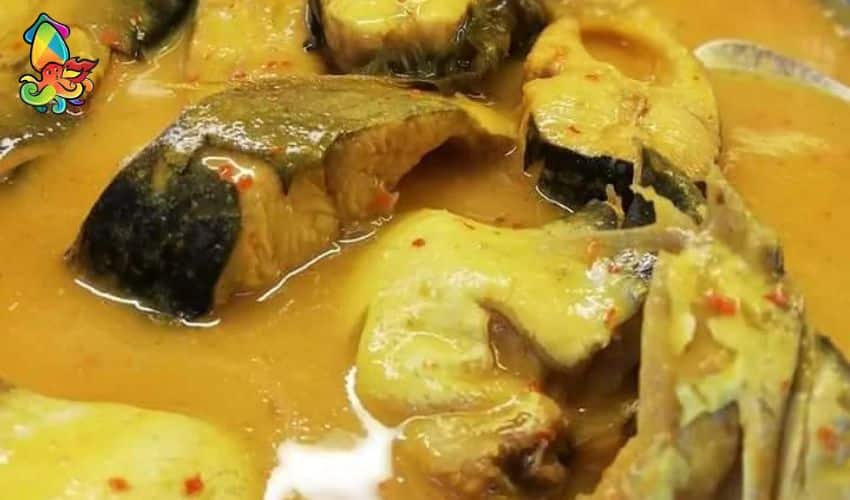
A dish deeply rooted in Central Vietnamese cuisine. Fresh turmeric not only helps deodorize but also creates a beautiful golden color. Eel braised in a clay pot with high-quality fish sauce, peppercorns, and purple onions will be a dish that goes perfectly with rice.
Ingredients:
- 1 eel (1 – 2 kg)
- 2 fresh turmeric roots
- 1 purple onion
- Cashew oil, honey, sugar, MSG, seasoning powder, ground pepper, fish sauce, chili powder
Instructions:
Below is a summary of 5 steps to make Eel braised with turmeric, written entirely from scratch, ensuring it is unique:
- Clean the fish: Remove organs, use sea salt to rub the eel body thoroughly to clean the slime, then rinse and cut into bite-sized pieces.
- Prepare spices: Peel and mince the fresh turmeric; clean and crush the shallots to create a characteristic aroma and deodorize the braised dish.
- Marinate the meat: Marinate the fish with turmeric, shallots, fish sauce, sugar, seasoning, pepper, and a little chili powder for about 30 minutes to allow the spices to penetrate deeply.
- Sear the fish: Heat the pot, add the marinated fish, and stir gently over medium heat until the meat firms up and the spices become fragrant.
- Braise the fish: Add water just enough to cover the meat, lower the heat, and simmer until the sauce thickens and the fish turns a vibrant golden color, then it is complete.
See more: What are some delicious dishes to make with Eel-tail catfish? Top 11 super appetizing dishes
Eel hotpot with sour bamboo shoots
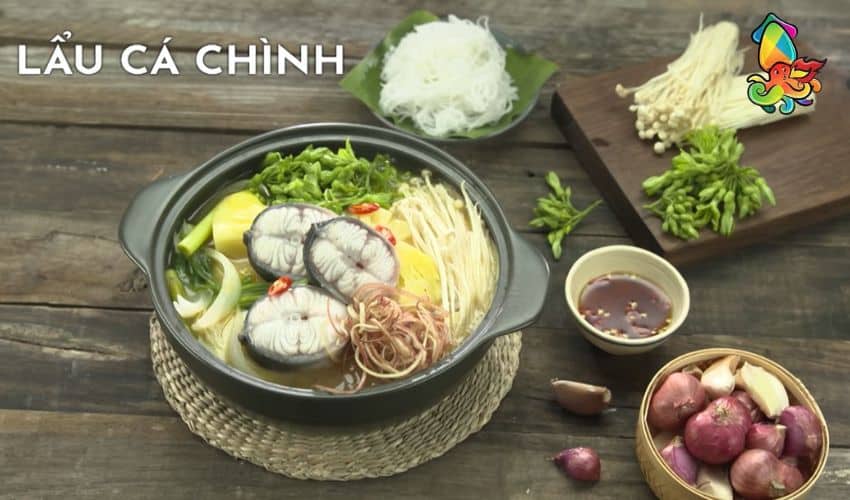
If you want a refreshing dish, eel hotpot is a great choice. The sourness of the bamboo shoots and the spiciness of the chili combined with the fatty eel pieces create an unforgettable flavor symphony.
Ingredients:
- 1 eel (1 – 2 kg)
- 300g sour bamboo shoots
- 0.5kg pork bones
- 50g shiitake mushrooms, 100g wood ear mushrooms
- ½ pineapple
- 2 tomatoes
- purple onion, garlic, chili, herbs, fresh vegetables, vermicelli
- Seasoning powder, fish sauce, ground pepper, chili, sugar, satay, tamarind, cooking oil
Instructions
- Prepare ingredients: Use wine and ginger to rub the eel to remove all fishiness, then slice thinly; boil the sour bamboo shoots thoroughly and shred into bite-sized pieces.
- Prepare vegetables and accompaniments: Wash the hotpot vegetables, mushrooms, and herbs; slice tomatoes and pineapple to add aroma and color to the broth.
- Make hotpot broth: Boil pork bones to get sweet stock, sauté purple onions, then add bamboo shoots, pineapple, tomatoes, and tamarind, remembering to skim off the foam to keep the broth clear.
- Balance the flavor: Season the broth with satay, fish sauce, and spices to taste, creating a signature spicy-sour flavor, then pour into a specialized hotpot.
- Enjoy the dish: Place the hotpot in the middle of the table with plates of fish, vegetables, and vermicelli; when the water boils, dip the fish until just cooked, and dip in chili fish sauce to experience the sweet, chewy texture.
Reference more:
- What are some delicious dishes to make with Dogfish? Summary of 12 nutritious and delicious dishes
- What are some delicious dishes to make with Catfish? Uncovering 11 extremely attractive delicious dishes
In conclusion, river eel is a food item that is well worth the money you spend. With excellent nutritional content and a unique flavor, eel is sure to satisfy even the most demanding diners. We hope this article has provided you with complete information about river eels and how to prepare this delicacy. If you want to explore more culinary experiences, follow the Ola Squid blog regularly to learn delicious cooking recipes for your family. Besides, if you’re looking for quality dried seafood products, visit our store page for the best options.