
 Tiếng Việt
 ไทย
ไทยWith its characteristic flavor and high nutritional value, salmon is one of the most popular foods, yet not everyone knows exactly where salmon live. In this article, Ola Squid will join you in exploring its habitat, the classification of common salmon species, nutritional value, current salmon prices, and delicious dishes made from salmon. Let’s follow the content below!
What is salmon? Do salmon live in saltwater or freshwater?
Salmon is the general name for many species of fish belonging to the Salmonidae family. The most characteristic feature that makes this fish distinct in biology is its ability to adapt to diverse water environments. To answer the question of what kind of water salmon live in, we need to understand the term anadromous (fish that migrate upriver to spawn).
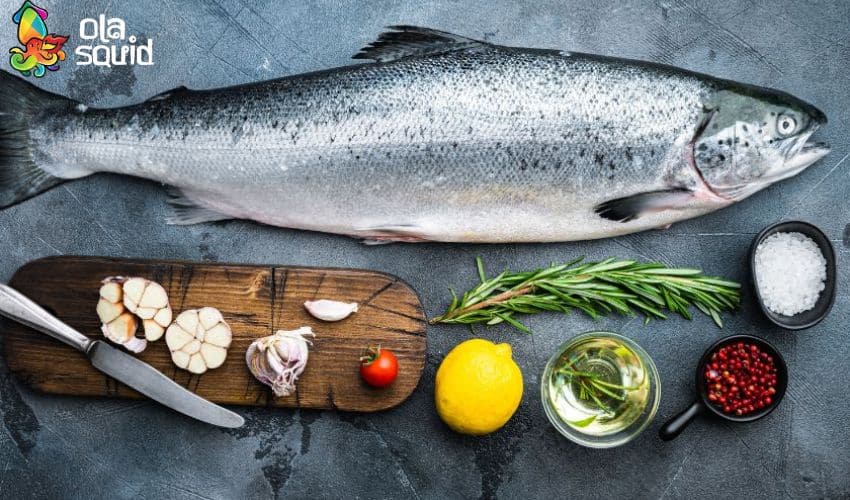
Most salmon species have a life cycle that begins in freshwater streams, then migrates to the sea to live, and finally returns to the place where they were born to maintain the next generation. Therefore, if you wonder if salmon are freshwater or saltwater fish, the accurate answer is that they can live in both environments depending on the stage of their body development.
- Egg and fry stage: Grow entirely in a freshwater salmon environment in upstream areas.
- Adult stage: Migrate to the ocean, adapting to high salinity to seek abundant food sources.
- Spawning stage: Salmon travel thousands of kilometers upstream from the sea to rivers; at this time, they become freshwater-living salmon.
The ability to regulate excellent osmotic pressure allows salmon to live in different water environments without difficulty. This is a complex evolutionary mechanism, helping them utilize nutrients from the ocean while ensuring a safe environment with fewer predators in the rivers.
Where do salmon live in nature and in farming?
Typically, salmon live in places where water temperature is maintained below 20 degrees Celsius and dissolved oxygen levels are high to develop most healthily. This explains why they are mainly distributed in temperate and frigid climate zones.
Natural salmon are concentrated in the North Atlantic and Pacific Oceans
On the world map, salmon are most densely concentrated in the Northern Hemisphere. The two main areas include:
- North Atlantic Region: This is the home of the Atlantic salmon (Salmo salar). Countries such as Norway, Scotland, Canada, and the New England region of the US are hotspots for harvesting and farming this fish.
- Pacific Region: This area possesses more diverse species with salmon belonging to the Oncorhynchus genus. The waters around Alaska (USA), British Columbia (Canada), Japan, and Russia are where the world’s largest natural salmon production is found.
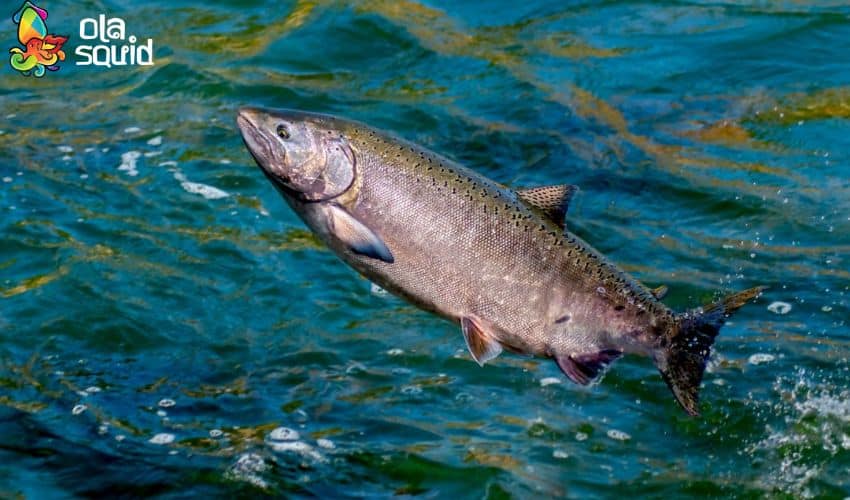
In these areas, cold currents carry huge amounts of nutrients, creating conditions for salmon to store a thick layer of fat, creating a signature richness. For example, Alaskan salmon are famous for their dark red flesh and bold flavor because they have to constantly move in the cold waters of the Pacific.
In Vietnam – Salmon is farmed in Sapa, Son La
Many people wonder where salmon live in Vietnam? Due to the tropical climate, Vietnam is not originally a natural habitat for this species. However, thanks to the application of modern farming technology, we have succeeded in farming salmon in high mountainous areas with a cool climate year-round.
- Sapa (Lao Cai) is the first and most famous place for successfully piloting rainbow trout farming. With cold water sourced from the crevices of the Fansipan peak and Silver Waterfall, the water temperature here is constantly maintained at below 15 degrees Celsius in winter, helping the fish grow well.
- Son La (Moc Chau) and several provinces like Lai Chau and Da Lat have also developed large-scale farms. Although the size may not be as large as imported salmon from Norway, domestic salmon have the advantage of absolute freshness when reaching domestic consumers.
What Are The Types Of Salmon?
When mentioning whether salmon is river or sea fish, many people immediately imagine the familiar orange fish in Japanese restaurants. But in reality, salmon is the general name for many different species belonging to the Salmonidae family, each with unique biological characteristics, flavors, and values. Specifically, there are 6 types of salmon below:
Chinook Salmon
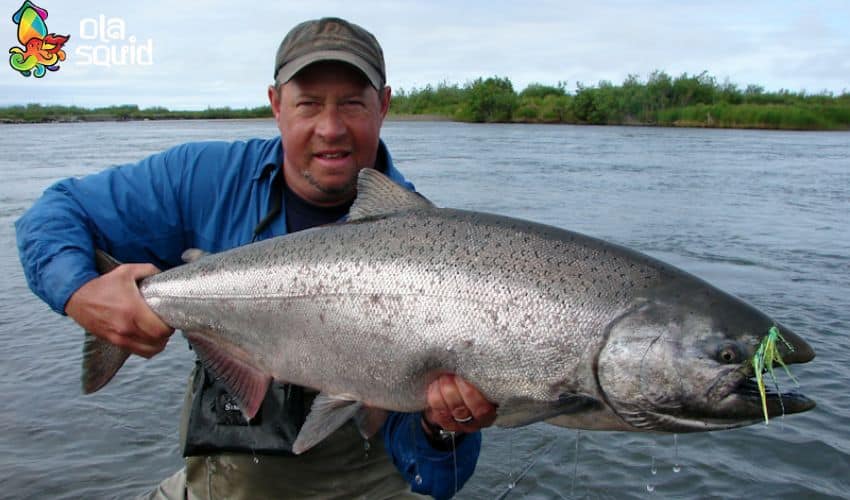
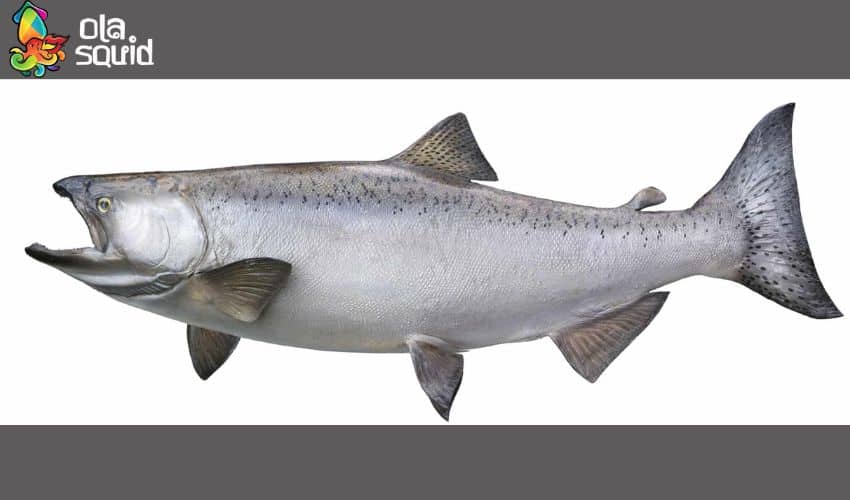
Chinook salmon (Oncorhynchus tshawytscha) is the largest species in the Pacific salmon family. Adult fish can reach a weight of 13 – 20kg and have the following characteristics:
- Habitat: US West Coast (California to Alaska), Canada, Russia.
- Flesh characteristics: Deep orange to pinkish-red, highest fat content among salmon species, bold, melt-in-the-mouth flavor.
- Value: Considered the king of salmon, often used in high-end cuisine and premium sashimi.
- Yield: Lowest compared to other species, thus the price is significantly higher.
See more: What to make with salmon? 15 irresistible dishes you can’t miss
Coho Salmon (Silver Salmon)
Coho salmon (Oncorhynchus kisutch) is the second most common species in the Pacific, favored for its moderate size and balanced flavor.
- Habitat: Alaska, British Columbia, US West Coast; also widely farmed in Chile.
- Flesh characteristics: Moderate orange, milder taste than Chinook, less fatty but still delicious.
- Average weight: 3 – 6kg.
- Application: Suitable for grilling, pan-searing, and making salmon sashimi and sushi.
Pink Salmon (Humpback Salmon)
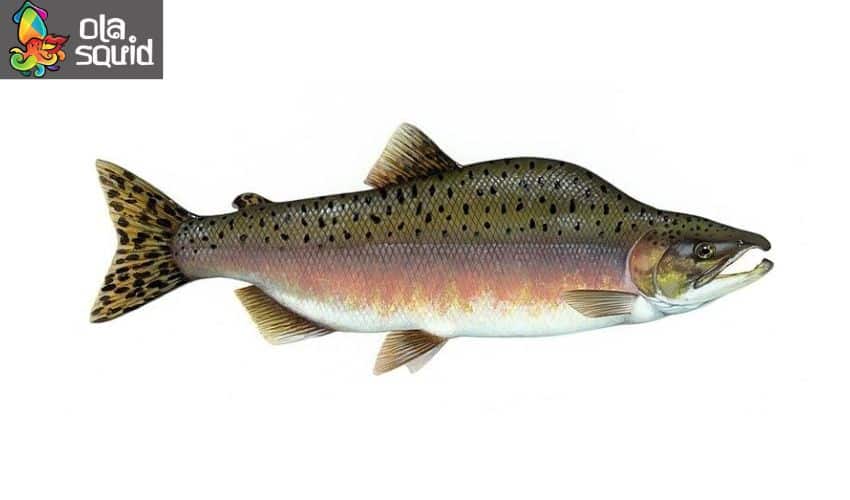
Pink salmon (Oncorhynchus gorbuscha), also called humpback salmon because males develop a large hump on their back during spawning season. This is the species with the largest natural yield in the Pacific salmon family.
- Habitat: Common throughout the North Pacific, from Alaska to Japan and Russia.
- Flesh characteristics: Pale pink, low fat content, mild taste.
- Average weight: 1.5 – 2.5kg – the smallest species among commercial salmon.
- Application: Often canned or used for smoked salmon. Less commonly used as sashimi due to lighter flesh color.
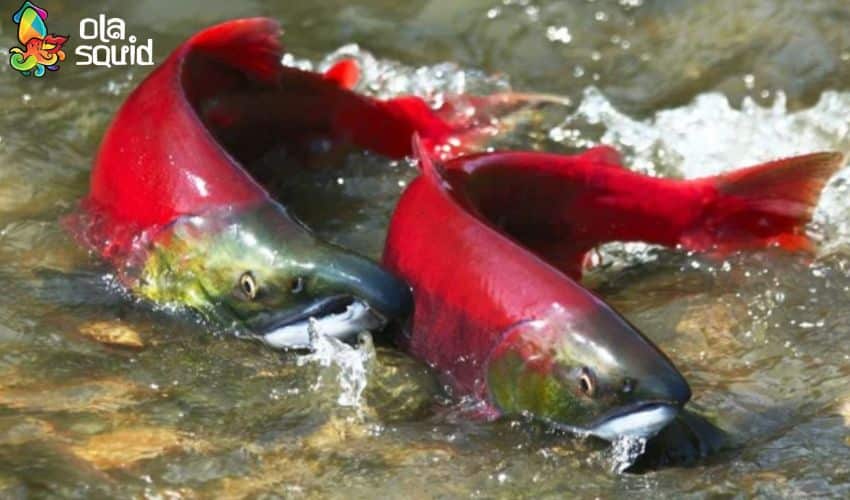
Sockeye Salmon (Red Salmon)
Sockeye salmon (Oncorhynchus nerka) is famous for its extremely vibrant reddish-orange flesh and the boldest flavor among salmon species.
- Habitat: Alaska, British Columbia, and some Russian coastal regions.
- Flesh characteristics: Vibrant reddish-orange, firm flesh, bold and slightly fatty taste preferred by many Japanese chefs.
- Average weight: 2 – 3.5kg.
- Yield: High, especially in Alaska, this is the mainstay of the US wild-caught salmon industry.
Atlantic Salmon
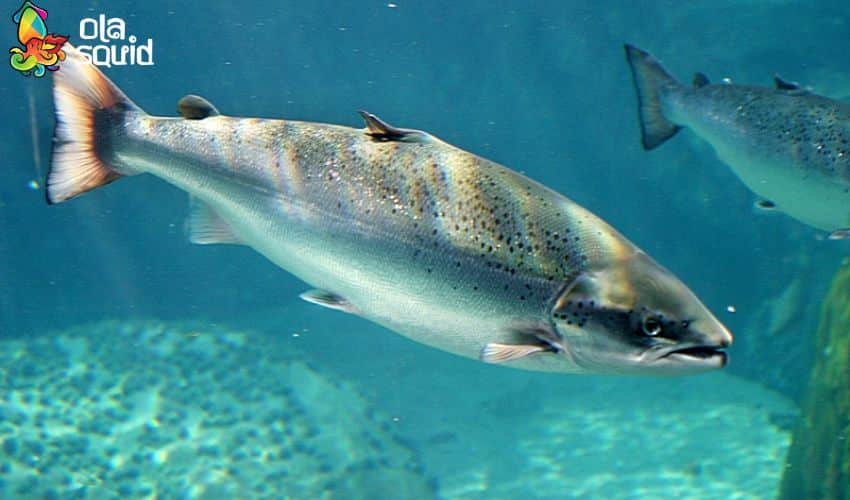
Atlantic salmon (Salmo salar) is the most familiar species to Vietnamese consumers, imported from Norway and Chile in large quantities every year. This is also the most farmed species in the world in controlled marine environments.
- Natural habitat: North Atlantic, from Iceland and Norway to the East Coast of Canada and the US.
- Farming: Norway, Chile, Scotland, Canada, with Norway accounting for over 50% of global salmon farming output.
- Flesh characteristics: Beautiful bright orange, high fat content, soft and smooth flesh, mild flavor that is easy to eat.
- Average weight: 3 – 6kg (farmed fish are often larger than wild fish).
- Application: Sashimi, sushi, pan-searing, grilling, hotpot, miso curing.
Chum Salmon (Dog Salmon)
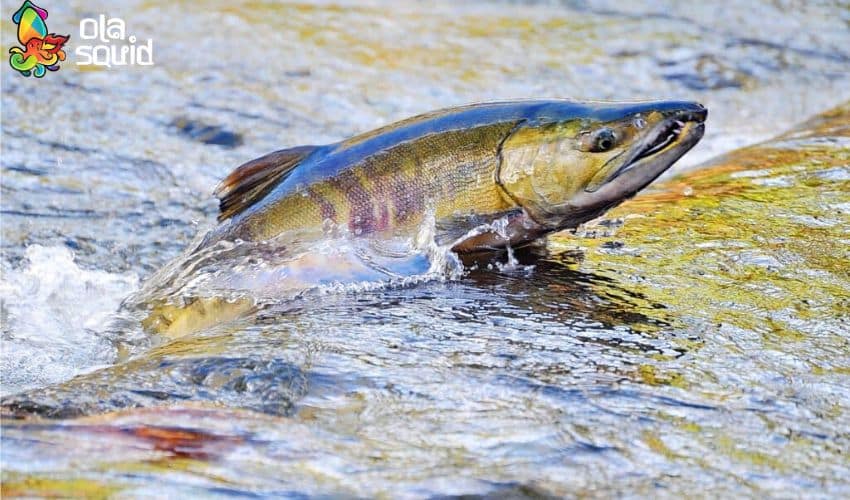
Chum salmon (Oncorhynchus keta) is so named because it has distinct large teeth during the spawning season – it is the species with the widest geographical distribution in the Pacific salmon family.
- Habitat: From California to Alaska, reaching Japan, Korea, and Russia.
- Flesh characteristics: Paleest color (yellowish-orange), low fat content, mild taste.
- Average weight: 4 – 6kg.
- Application: Often used to make caviar, smoked fish, or canned. Rarely appears as fresh sashimi in Vietnam.
Nutritional Value Of Wild Salmon
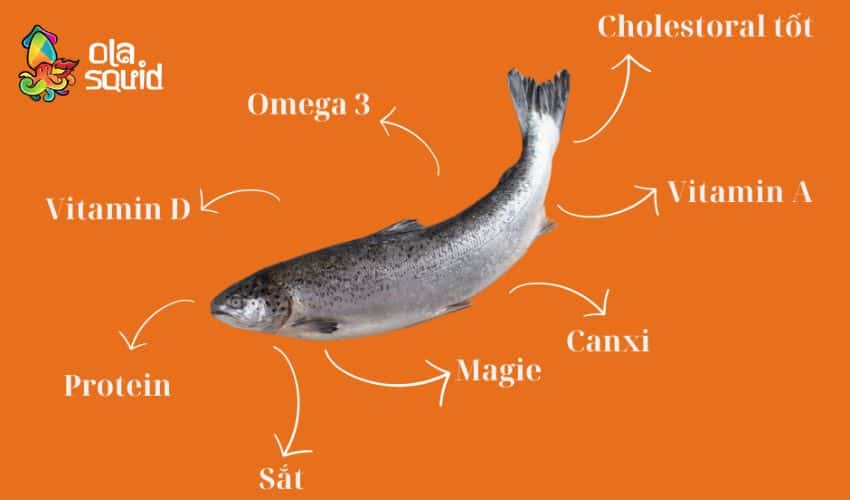
One of the reasons salmon is loved all over the world is not only its flavor but also its superior nutritional content. Health benefits of salmon include:
- Omega-3 fatty acids: This is the most important component. EPA and DHA in salmon help reduce inflammation, lower blood pressure, and reduce risks of cardiovascular disease. A 100g portion of salmon can provide enough Omega-3 for the whole week.
- High-quality protein: Salmon provides an easily digestible source of protein, helping muscle recovery and maintaining stable weight.
- B vitamins: Including B1, B2, B3, B5, B6, B9, and B12. These vitamins play a key role in energy metabolism and protecting the central nervous system.
- Astaxanthin: This is the compound that creates the red color of fish flesh, a very strong antioxidant that protects cells from free radical attacks, improving skin and visual health.
- Essential minerals: Salmon is rich in Selenium, Potassium, and Magnesium, supporting thyroid function and protecting strong bone and joint health.
How much is salmon per kg? Where to buy?
The price of salmon in the Vietnamese market fluctuates widely, depending on the species, origin, form (fresh, frozen, whole or cut/filleted), and purchasing channel. Below are reference prices:
- Imported salmon: Prices range from 450,000 VND to 750,000 VND/kg for fresh fillets. Whole fish usually cost from 350,000 VND to 450,000 VND/kg.
- Sapa/Son La salmon: Due to lower transportation costs, the price of Vietnamese freshwater salmon is usually softer, ranging from 280,000 VND to 400,000 VND/kg.
- Frozen salmon (Chile/Australia): Usually has the cheapest price, from 200,000 VND to 350,000 VND/kg, suitable for eateries or families preparing cooked dishes.
Note: Price may change according to season and market fluctuations. Should check the price at the time of purchase.
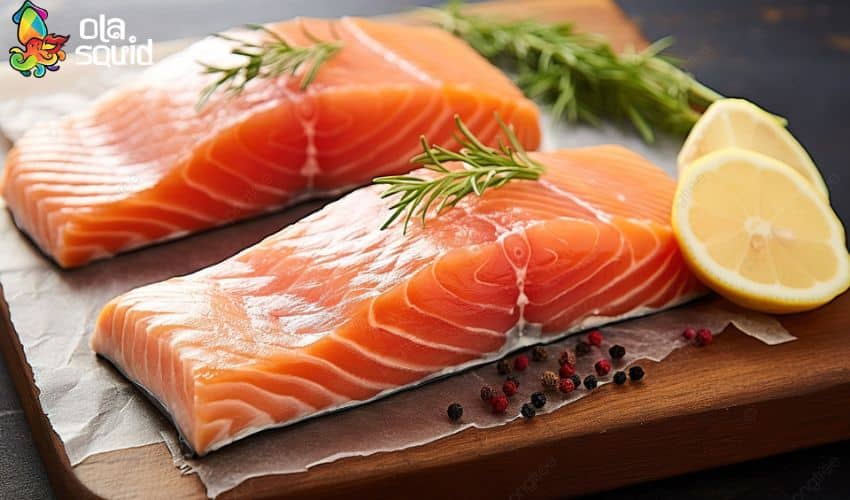
Where to buy salmon to ensure quality? When buying salmon, the important thing is to choose the right reputable source to ensure freshness, food safety, and flesh quality. You should prioritize the following addresses:
- Large supermarket chains: Such as WinMart, Co.op Mart, Lotte Mart… These are places with stable supply and storage processes that meet standards.
- Imported food stores: Units specializing in imported seafood usually have salmon flown in during the day, ensuring freshness.
- Farming farms in Sapa: If you have the chance to travel, buying directly at farming tanks at Silver Waterfall or Ban Khoang will help you get the freshest fish at the base price.
Reference: Is sturgeon caviar good? Classification, selling price, how to eat and store
Top Delicious Dishes Made From Salmon
Salmon is an extremely versatile ingredient in cuisine, from raw Japanese-style dishes to rich Vietnamese cooked dishes. Below are the most popular and loved dishes that you can try right at home:
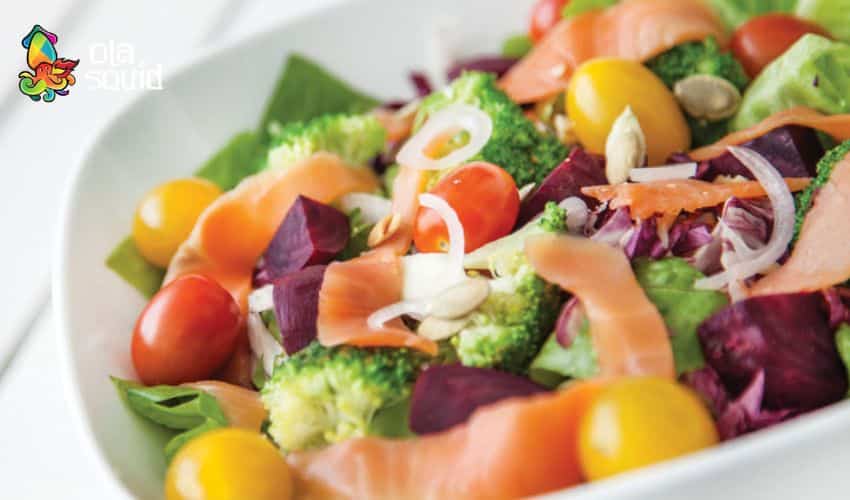
Salmon salad
Salmon salad is the ideal choice for a light, nutritious meal. Salmon fillet is lightly pan-seared or smoked, combined with green vegetables, cherry tomatoes, cucumbers, avocado, and lime mustard dressing. The dish provides enough protein, fiber, and omega-3 suitable for dieters or those wanting a healthy meal.
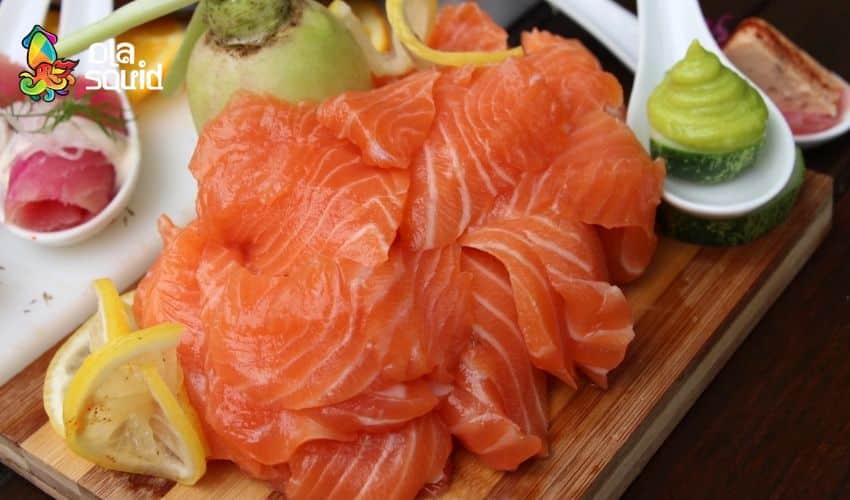
Salmon sashimi
This is the most original way to enjoy salmon in the Japanese style. Salmon fillet is thinly sliced, eaten with wasabi, soy sauce, and pickled ginger. To make sashimi, it is mandatory to use sashimi-grade salmon, which has been specially processed to ensure safety when eaten raw.
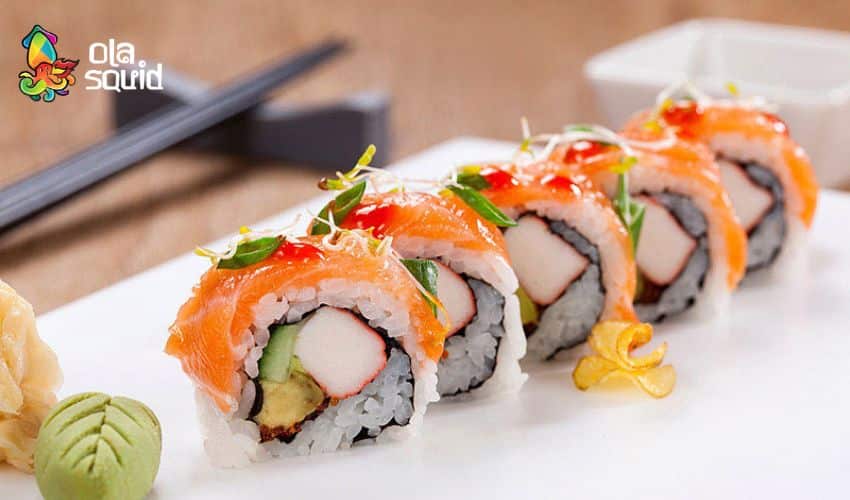
Salmon sushi
Salmon sushi is a widely loved Japanese dish in Vietnam. A thin slice of salmon is placed on lightly molded sushi rice, or rolled with cucumber and avocado in a layer of seaweed. Creating a perfect combination of the richness of the fish and the slight sourness of the sushi rice, you can definitely make it yourself at home.
See more: 3 ways to make delicious, non-fishy soy-marinated salmon
Pan-seared salmon
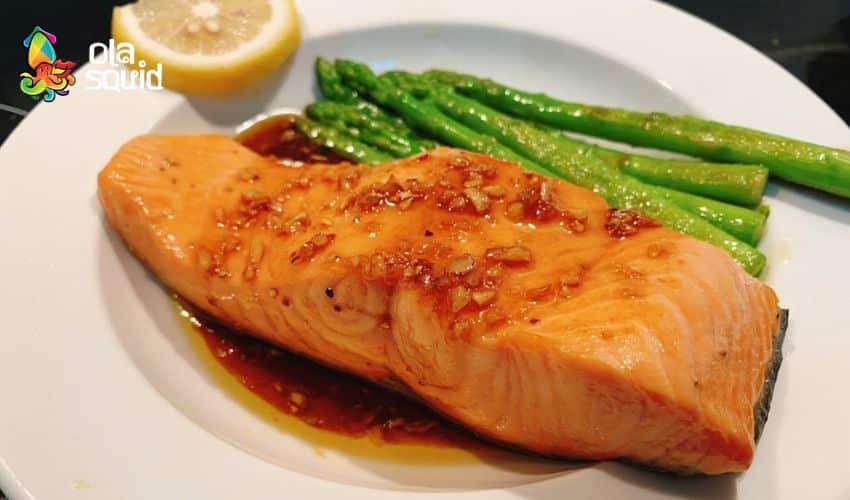
Pan-seared salmon is the national dish most preferred in Western cuisine and increasingly popular in Vietnam. Salmon fillet is pan-seared with olive oil and butter until the skin is crispy and golden, while the inside remains pink and soft. Served with mashed potatoes, asparagus, or mixed salad, this is a quick, delicious dinner that only takes about 15 minutes.
Grilled salmon
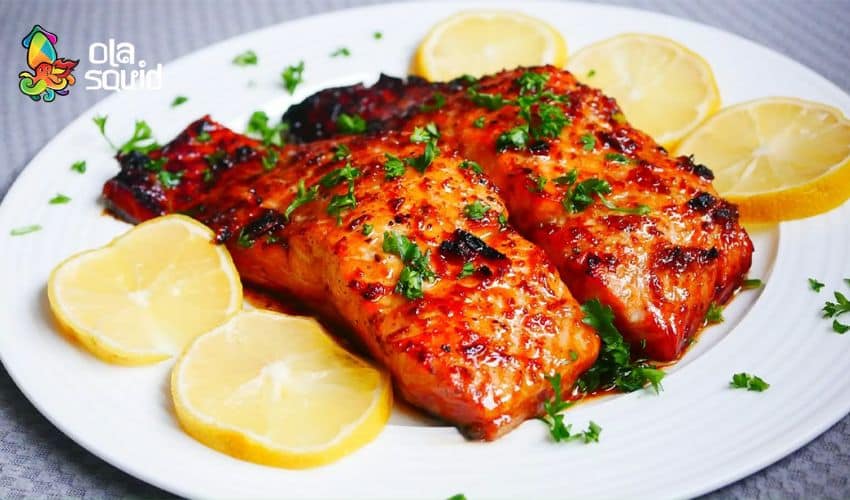
Grilled salmon can be made using an oven or an air fryer with many variations of seasonings: honey-glazed, ginger-glazed, miso-grilled, chili-lime salt grilled, or Japanese-style teriyaki grilled. The grilled fish skin is crispy while the inside remains moist and flavorful, making it extremely good with rice.
Salmon hotpot
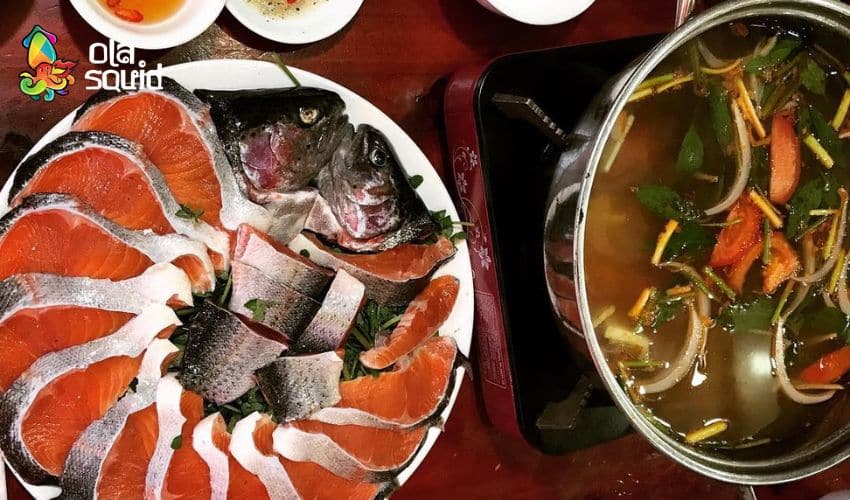
Salmon hotpot is a dish that appears often in high-end restaurants but can be completely made at home. The hotpot broth is usually cooked from salmon bones and head to get natural sweetness, combined with mushrooms, green vegetables, tofu, and fresh vermicelli. Salmon cut into pieces dipped just right in the hotpot, flesh melting softly, blending with rich broth.
See more: What to cook with salmon head, attractive for the whole family?
Thus, the article has covered all the important information about where salmon live, popular salmon species, and the wonderful benefits of salmon for human health. With our suggestions for delicious dishes, you can absolutely prepare tasty meals from salmon right in your own kitchen. Don’t forget to check out the culinary corner of Ola Squid to pocket unique cooking secrets! If you are interested in seafood, you can visit our store to explore premium dried seafood products.