
 Tiếng Việt
 ไทย
ไทยWhen it comes to the finest luxury foods in global cuisine, sturgeon caviar is always at the top of the list. Not only famous for its exorbitant price, but sturgeon caviar is also considered a culinary delicacy due to its superior nutritional value and an exquisite, unmistakable flavor. So, is sturgeon caviar truly healthy, how many types are there, how should it be eaten properly, and how should it be stored to maintain its full quality? To answer these questions, let’s join Ola Squid in following the article below!
1. Origin and classification of sturgeon caviar
Sturgeon caviar has a long-standing origin from Russia, especially associated with the Caspian Sea and Black Sea regions. Caviar is harvested from fish of the Acipenseridae family, widely distributed across Europe, Asia, and North America. Thanks to their specific living conditions and long life cycle, sturgeon caviar possesses a very distinct quality and flavor.
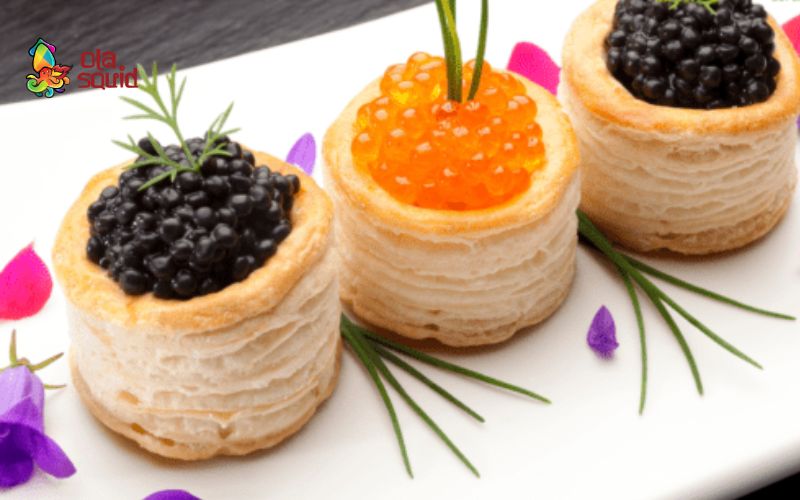
Based on the sturgeon species, caviar is currently classified into several types as follows:
- Beluga Sturgeon Caviar: This type of caviar is the most premium and expensive in the world. The eggs are large, ranging in color from ivory white to light gray, with a rich, creamy texture and a deep finish. Beluga is harvested from extremely rare albino sturgeon, mainly in the Caspian and Black Seas.
- Sevruga Sturgeon Caviar: Features smaller eggs, with colors from dark gray to black. It has a mildly salty, pure flavor with a strong oceanic mark, often preferred by those who enjoy bold caviar taste.
- Osetra Sturgeon Caviar: This is the most common type on the market with a diverse range of colors from golden yellow, brown to dark gray. The eggs have a slight crispiness, a bold aroma, and are very balanced, suitable for many different culinary styles.
- Sterlet Sturgeon Caviar: This type is less common; the eggs have a golden or light brown color with a mild and delicate flavor.
2. Characteristics of sturgeon caviar
Sturgeon caviar is considered a rare food due to its very limited supply. Sturgeon is a long-lived fish, living from 50-100 years, but it takes 10-20 years to start producing eggs. This long growth cycle, combined with the decline in sturgeon populations due to environmental pollution and overfishing, has made sturgeon caviar increasingly scarce.
Not only rare, but sturgeon caviar also stands out due to its elaborate processing procedure. After harvesting, the eggs are thoroughly cleaned, the membranes are removed, and then they are salted in a standard ratio to maintain their crispness, mild salinity, and distinctive aroma. This entire process requires high technical skill and strict control to ensure food quality and safety.
3. How much does sturgeon caviar cost? Why is it so expensive?
Sturgeon caviar prices are among the highest for premium foods globally, with variations depending on the variety, weight, and origin. Common reference prices today:
Beluga Sturgeon Caviar (white) 30g tin costs about 7,250,000 VND, and a 100g tin costs about 15,000,000 VND. This is the most expensive variety, often referred to as “white gold” due to its rarity and superior quality.
Black Sturgeon Caviar (Caviar) 30g tin costs about 1,800,000 VND, and a 200g tin costs about 7,000,000 VND. Salted sturgeon caviar in a 100g tin is about 7,200,000 VND and is very popular in Western countries.
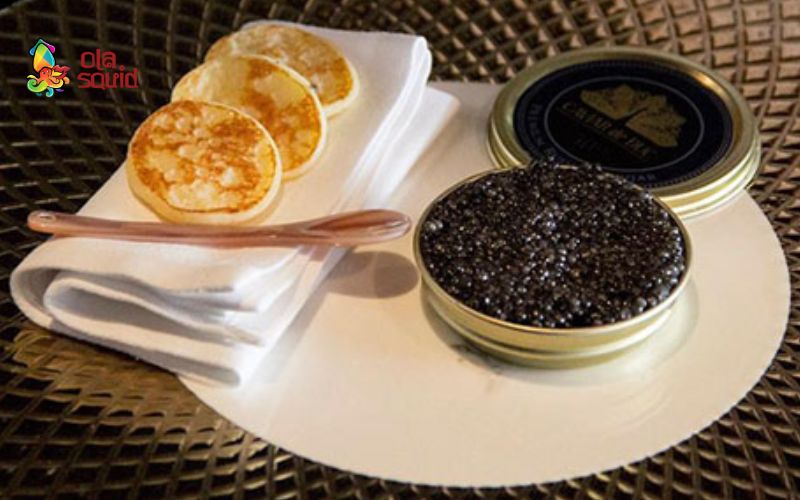
The high value of sturgeon caviar comes from several factors:
- Extremely long farming time: It takes 15-20 years for a sturgeon to begin producing eggs, making the output very limited.
- Complex care process: Egg-bearing sturgeons are strictly monitored, even with ultrasounds to control egg quality.
- High nutritional value: Sturgeon caviar is rich in nutrients, considered a restorative food, contributing to its value and appeal in the market.
- Strict harvesting: Extracting the eggs requires high technical expertise, from determining ripeness to the method of extraction (caesarean section or natural birth) so as not to break the grains.
>>> See more: What to make with sturgeon? A compilation of easy home-cooked dishes
4. Nutritional value of sturgeon caviar
Not only famous for its high price, but sturgeon caviar is also highly valued for its abundant nutritional content, providing many practical health benefits. Here are some outstanding benefits of sturgeon caviar:
- Beauty and anti-aging: Antioxidants, amino acids, and vitamins help nourish firm skin, support wrinkle reduction, and increase elasticity.
- Bone and joint health: High calcium and vitamin D content support strong bones and teeth, especially beneficial for children and pregnant women.
- Enhancing vitality and energy: B-group vitamins contribute to boosting energy metabolism, supporting reproductive health, especially in men.
- Supporting heart and blood circulation: Omega-3 and selenium help improve blood circulation, reduce the risk of blood clots, and stabilize blood pressure.
- Good for brain and vision: Unsaturated fatty acids help improve memory, enhance brain function, and protect eyes.
- Enhancing immunity and disease prevention: Selenium and minerals help boost resistance while supporting the prevention of certain chronic diseases.
5. How to eat sturgeon caviar properly
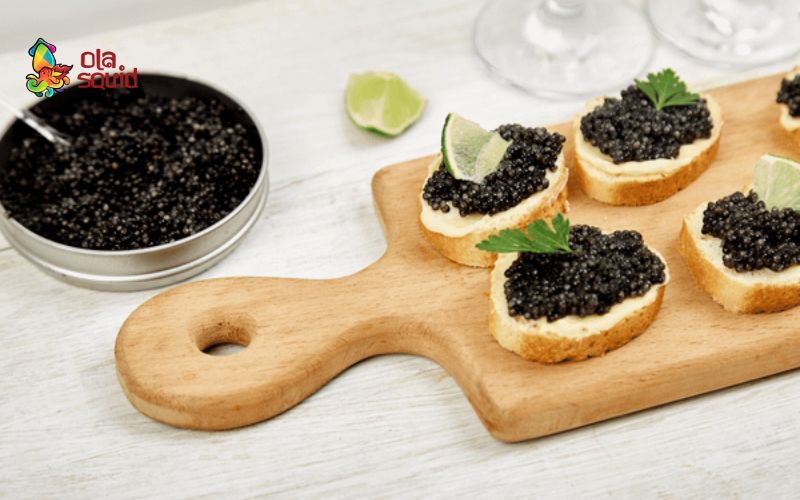
To fully appreciate the delicate flavor of sturgeon caviar, the most important factors are temperature and how it is served. Sturgeon caviar is always consumed cold, after being lightly salted and properly chilled. When eating, connoisseurs often use a small spoon, place a modest amount on the back of their hand to feel the coolness and help the palate adjust before putting it in their mouth.
In addition to the method above, sturgeon caviar can also be flexibly combined in the following ways:
- Eat with side dishes such as thinly sliced onions, parsley, dill, or chopped hard-boiled eggs, which helps harmonize the flavor.
- Served with toasted bread or traditional Russian blinis, adding a bit of cream cheese or sour cream to balance the saltiness.
- You can combine it with suitable drinks such as Russian vodka, which helps highlight the characteristic flavor of sturgeon caviar.
6. Instructions for storing and using sturgeon caviar
Sturgeon caviar is a high-end and sensitive food product, so you need to pay attention to proper storage to retain its flavor and quality.
- Proper temperature storage: When unopened, sturgeon caviar should be kept at -2 to +2°C to ensure freshness and natural flavor.
- Keep sealed to avoid oxidation: After each use, you need to wrap it tightly with food wrap or place it in an airtight container to limit contact with air.
- Use soon after opening: Once opened, store the caviar in the refrigerator and try to consume it within 7 days.
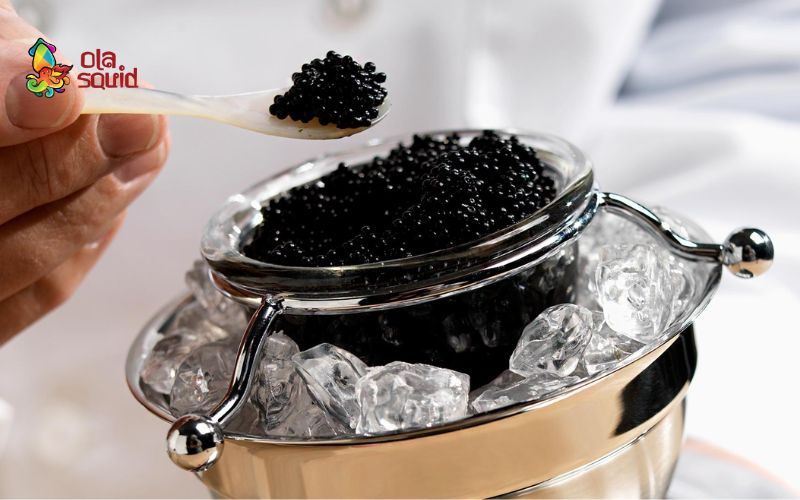
- Prefer suitable containers: You should use glass or crystal jars for storage; avoid metal containers as they can affect the flavor and quality of the eggs.
- Eat raw only, do not cook: Sturgeon caviar can easily deteriorate when exposed to heat, so it should only be consumed raw to maintain its characteristic crispness and flavor.
- Eat in moderation: Do not overconsume or use expired caviar showing signs of damage to avoid the risk of food poisoning.
- Combine with the right foods: You should eat it with cold dishes with mild flavors like bread, potatoes, butter, or sour cream to highlight the creamy, salty taste.
Sturgeon caviar is not only a symbol of premium cuisine but also a precious source of nutrition, offering many health benefits and a sophisticated sensory experience. Hopefully, the above article has helped you understand more about the origin, characteristics, pricing, as well as the uses and storage of sturgeon caviar. If you want to explore more culinary knowledge, standard recipes, or high-quality dried squid products, don’t forget to visit Ola Squid’s Blog to check out more details, or head over to our store to discover our premium selection!