
 Tiếng Việt
 ไทย
ไทยIn recent years, herring roe (herring fillet with roe) has increasingly appeared in family meals, Japanese restaurants, and even modern eateries. Not only impressing with its eye-catching golden roe layer, but herring roe is also favored for its rich, nutty flavor, high nutritional value, and ease of preparation into various attractive dishes. So, what are the types of herring roe, what delicious dishes can you make with it, and what should you keep in mind when using it? Let’s find out in detail with Ola Squid right below.
1. How many types of herring roe are there?
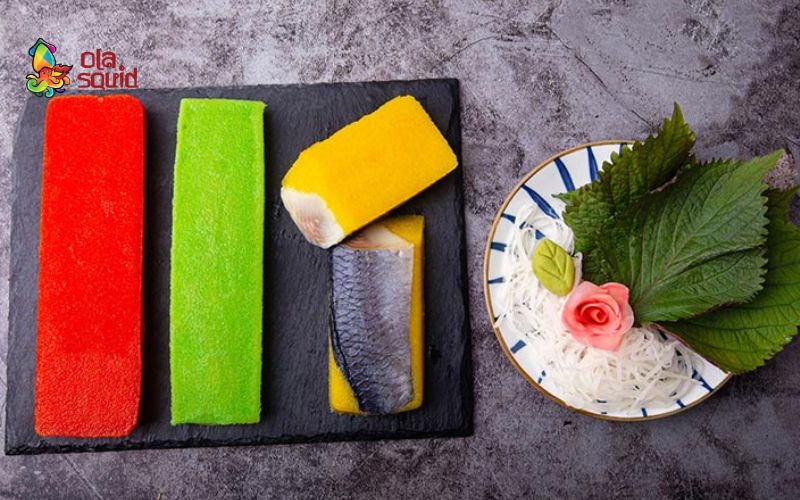
Based on the flavor and marinating method of the roe, there are currently 3 popular types of herring roe, each bringing its own color and sensory experience:
- Yellow herring roe: This is the type that retains the most natural flavor, with the characteristic golden color of flying fish roe. The fish is usually pressed into sticks about 10cm long, weighing from 120-150g. The mild, creamy, and gentle aroma of the fish and roe blends harmoniously, making it very easy to eat.
- Red herring roe: The eye-catching red color of this type is created from pickled ginger. When enjoyed, the fish has a sweet, slightly spicy, and ginger-scented taste, which helps stimulate the taste buds. Not only is it delicious, but the red color also symbolizes luck, so this type of fish often appears at parties, festivals, or special occasions.
- Green herring roe: The roe is marinated with Japanese wasabi, creating a cool green color and a characteristic pungent spicy flavor. The wasabi flavor helps balance the richness of the herring, providing a unique, bold sensation, especially suitable for those who love Japanese cuisine.
2. What delicious dishes can you make with herring roe?
Thanks to its characteristic nutty flavor and slightly crunchy roe layer, herring roe is considered an ideal ingredient for many attractive dishes, especially in Japanese cuisine. From traditional dishes like sushi and sashimi to modern variations like salads, herring roe brings a sophisticated, easy-to-eat, and nutritious culinary experience.
2.1. Herring roe sushi
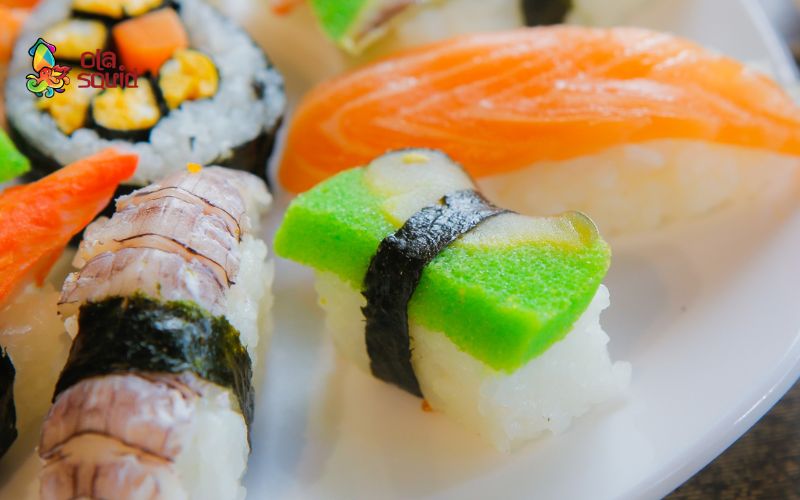
Herring roe sushi is the most familiar and beloved dish when mentioning this ingredient. To make this dish with the authentic flavor, you need to prepare ingredients including herring roe, Japanese rice, and dried seaweed.
Here is a simple guide to preparing sushi:
- Step 1 – Prepare sushi rice: First, you need to cook the Japanese rice; while the rice is still warm, mix it well with vinegar in the traditional sushi-making style. The rice meets the requirements when it is sticky, glossy, and has a harmonious mild sour taste.
- Step 2 – Slice the herring roe: Then, place the herring roe stick on a clean cutting board and use a very sharp knife to slice it. When cutting, you should tilt the knife blade so the fish slices are smooth, beautiful, and not crushed.
- Step 3 – Shape the sushi: Mold the rice into bite-sized portions and place the herring roe slice on top, then secure it with a strip of dried seaweed. You can wrap extra seaweed on the outside depending on your preference, and it’s ready to enjoy immediately.
See more: What is good to make with herring? Top 8 simple recipes
2.2. Herring roe sashimi
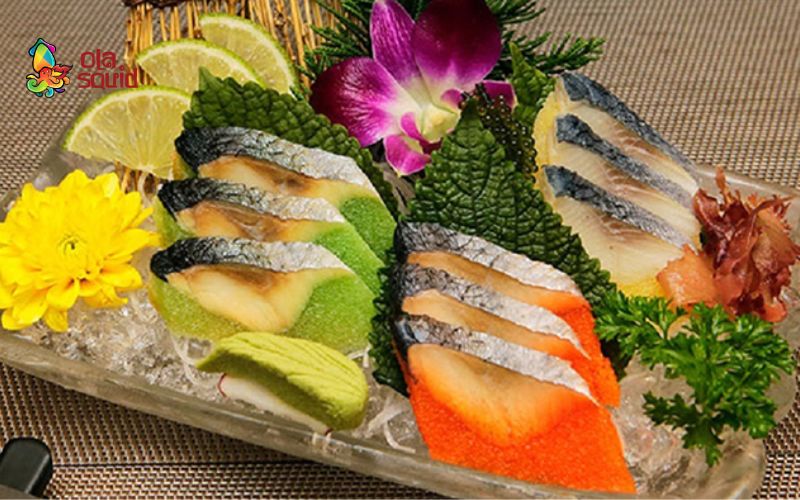
To make delicious, restaurant-quality herring roe sashimi, you need to prepare the following basic ingredients: 2kg of cleaned herring fillet, 500g of flying fish roe, along with accompanying condiments such as pickled ginger, sea grapes, white radish, wasabi, and Japanese soy sauce.
Steps to prepare herring roe sashimi:
- Step 1 – Prepare the herring and roe: Wash the herring fillet and soak it in vinegar for about 5-10 minutes to remove the fishy odor. Then remove it and let it drain thoroughly. Gently wash the flying fish roe, soak it in dilute vinegar, and let it drain; continue to chill in the freezer for about 15-20 minutes to help the roe become crunchier and firmer when pressed.
- Step 2 – Press the herring and shape: Place the flying fish roe into a mold, spread it evenly, and press it flat into a base layer. Next, arrange the herring fillet on top, use the mold lid to press down firmly to set. Place a heavy object on the mold and keep it for about 20 minutes so the herring roe block is firm, beautiful, and easy to slice.
- Step 3 – Slice the sashimi: Then, use a very sharp knife, tilt the blade at about a 45-degree angle, and cut each slice decisively. This cutting technique helps the sashimi pieces stay smooth and not break.
- Step 4 – Presentation: Finally, arrange the herring roe sashimi on a plate lined with ice to keep it fresh. Mix Japanese soy sauce with wasabi according to taste. When eating, serve with sea grapes, pickled ginger, and white radish to balance the richness, spiciness, and coolness.
2.3. Herring roe salad
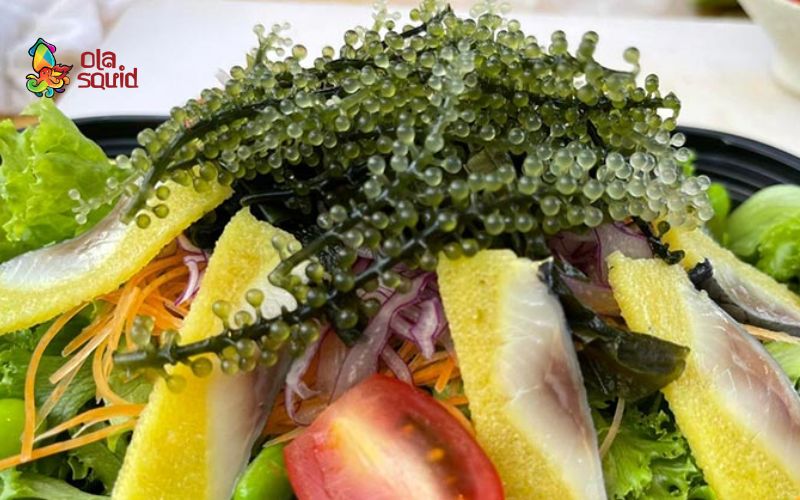
Besides traditional Japanese dishes, herring roe salad is a refreshing, light-on-the-stomach choice that is highly favored. The ingredients for this dish include herring roe combined with creamy mayonnaise sauce. The dish’s flavor is balanced with fresh vegetables like lettuce, cherry tomatoes, avocado, cucumber, celery, and sea grapes.
Detailed preparation instructions are as follows:
- Step 1 – Prepare the vegetables: First, wash the vegetables, let them drain, then cut them into bite-sized pieces to maintain their crunchiness and beautiful color.
- Step 2 – Slice the herring roe: Then slice the herring roe into thin pieces, of a bite-sized dimension to make it easy to mix without overpowering the vegetables.
- Step 3 – Toss the salad: Next, put the vegetables and herring roe into a bowl, add mayonnaise and a little lime juice, and toss gently so the ingredients combine without being crushed.
- Step 4 – Complete: Finally, arrange the salad on a plate and garnish with a little flying fish roe to increase the eye-appeal and flavor. The refreshing, easy-to-eat herring roe salad is ready for a light meal or appetizer.
Reference further: What is good to make with sea grapes? 7 ways to make fresh and healthy sea grape dishes
3. Some notes when eating herring roe
To enjoy herring roe deliciously and safely, you need to keep the following points in mind:
- Choose fresh fish from clear sources: You should prioritize buying herring roe at reputable stores. Fresh fish has clear, bright eyes, firm meat, good elasticity, and a mild sea scent with no strange odors.
- Eat it the right way: Herring roe is a raw or semi-cooked seafood dish, so it should be consumed in moderation, especially for people with sensitive digestive systems.
- Can be served with light alcohol: A small amount of light alcohol when eaten with herring roe helps the stomach adapt better to seafood, limiting feelings of bloating or discomfort.
- Avoid combining with Vitamin C-rich foods: You should not eat herring roe with orange juice, guava, or fruits rich in Vitamin C, as this combination can cause adverse reactions in the body.
- Do not drink tea immediately after eating: Substances in tea can reduce the ability to digest seafood, easily causing bloating and nausea.
- Consume immediately after thawing: If using frozen herring roe, you need to thaw it properly and consume it all in one go; avoid refreezing to ensure safety and maintain flavor.
4. How much does herring roe cost?
The price of herring roe on the market today is not fixed but depends on the import source, product quality, and distribution unit.
- Japanese herring roe ranges from about 350,000 – 500,000 VND/kg, standing out for its high quality and authentic Japanese flavor.
- Nishimi herring roe (Taiwan) is about 360,000 VND/kg and is chosen by many restaurants for its stable price and consistent quality.
- Domestic herring roe or from other markets ranges from 200,000 – 350,000 VND/kg, suitable for family consumption or business.
Note that the prices above may change according to the time, season, and supply source, so you should carefully consult with reputable suppliers to choose the suitable product.
Herring roe is an ingredient that is not only attractive due to its nutty flavor and eye-catching colors but is also rich in nutrients, suitable for both family meals and restaurant menus. Through the article above, we hope to have provided you with more suggestions for dishes using this ingredient. To explore more recipes, tips on choosing ingredients, and other useful culinary articles, don’t forget to visit olasquid.com!