

 Tiếng Việt
 ไทย
ไทยSquid with eggs is a popular seafood dish loved by many families for its unique sweet and fatty flavor and high nutritional value. However, not everyone knows how to steam frozen squid with eggs so that the squid remains crispy, the eggs are soft, and it has a natural aroma. Simply applying the correct squid egg cooking method will give you a sweet, fragrant dish that still retains all its nutrients.
The article below from Ola Squid compiles all the tips for choosing squid, preparing it, steaming it correctly, and the most delicious variations for you.
The health benefits of squid with eggs
Squid with eggs is a nutritious gift from the sea, containing a large amount of protein, omega-3, and many essential vitamins. In particular, the squid eggs inside are a precious source of nutrients, helping to boost energy, improve cardiovascular health, and supplement the body with minerals. In a nutritious diet, squid with eggs is an ideal choice because it is easy to prepare, delicious, and not greasy.
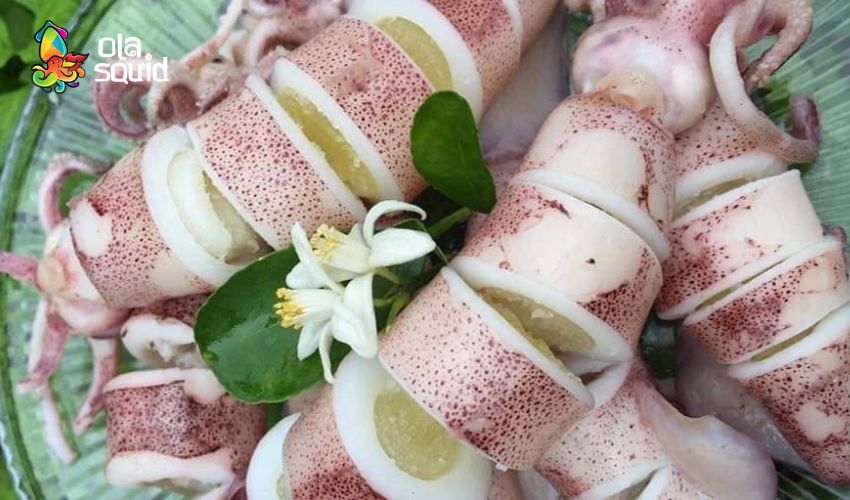
The outstanding benefits of squid with eggs:
- Rich in omega-3: supports the brain and cardiovascular system.
- A source of clean protein: easy to digest, suitable for people who exercise a lot.
- Contains important minerals: iron, zinc, calcium, phosphorus.
- Low in bad fats: suitable for a healthy diet.
When steaming, especially when steamed correctly, squid with eggs retains its unique flavor: crispy meat, soft and chewy eggs, fragrant and fatty but not greasy. Therefore, understanding how to steam frozen squid with eggs correctly is the key to preserving the natural nutritional value of this seafood gift.
How to choose fresh frozen squid with eggs
Choosing the right ingredient is the “root” step to having quality steamed squid with eggs. Frozen squid with eggs must be processed with quick-freezing technology, preserving freshness immediately after being caught.
Important criteria when choosing:
- Color: the squid should be naturally pinkish white, not yellowish or dark in color.
- Firm squid meat: it should be moderately firm to the touch, not soft or mushy.
- No strange smell: only a slight smell of the sea, not smelly or freezer odor.
- No water flowing: the surface is dry, not sticky or with strange liquid.
- Intact eggs inside: eggs are pale yellow or orange, not broken.

You should prioritize buying from reputable brands, where the squid will be preserved in a tightly controlled process, ensuring maximum freshness. Choosing correctly from the start will help the steamed dish be crispy, sweet, and naturally flavorful.
Instructions for preparing frozen squid with eggs properly
Proper preparation helps the squid avoid being fishy, mushy, and keeps its color beautiful.
How to thaw squid correctly:
- Thaw in the refrigerator for 6-8 hours.
- Do not thaw with hot water as it will cook the outside of the squid and lose its elasticity.
- Rinse lightly under running water to remove ice buildup.
Prepare the squid eggs:
- Gently remove the black ink sac to avoid breaking it.
- Do not squeeze the squid body hard to keep the eggs inside.
- Rinse with cold water and drain.
Prepare spices & flavorings:
- Sliced ginger
- Crushed lemongrass, cut into pieces
- Minced shallots
- Sliced chili
- Shredded lemon leaves
Marinate the squid (10-15 minutes):
- Salt
- Pepper
- Ginger slices
- Shallots

Light marinating helps the squid become fragrant, absorb flavor but does not lose its natural sweetness.
Delicious ways to steam frozen squid with eggs
Steaming squid with eggs with fragrant beer
Beer vapor helps to remove fishiness very well, while maintaining the crispness of the squid meat. When steamed with beer, you will feel the fragrant aroma of barley blending with the sweetness of the squid, creating a dish that is both familiar and very addictive.

How to do it:
- Place lemongrass and ginger at the bottom of the pot.
- Arrange the squid on the steaming rack.
- Pour beer into the bottom of the pot (do not submerge the squid).
- Steam for 10–12 minutes until the squid is cooked through.
This dish is perfect for gatherings because the aroma is very inviting.
See more: How to make delicious beer-steamed squid at home
Steaming squid eggs with ginger, lemongrass and scallions
This is a traditional, safe, and easiest method for beginners.

Steps to perform:
- Line the bottom of the pot with lemongrass.
- Add ginger slices and minced shallots.
- Place the squid on top, sprinkle with lemon leaves and scallions.
- Steam until the squid turns pinkish white.
The aroma of ginger, lemongrass, and lemon leaves blends to create a flavorful, non-fishy, and incredibly sweet dish.
See more: 3 simple ways to make ginger-steamed squid that everyone loves
Steaming squid eggs with unique betel leaf
Betel leaf makes the dish fragrant with herbs and adds warmth, perfect for rainy days.

How to do it:
- Wash betel leaves and drain.
- Line the bottom of the pot with betel leaves.
- Place the squid on top, cover with 3–4 leaves.
- Steam for 10–12 minutes.
The aroma of betel leaves blends with the squid to create a unique, sweet, and light flavor.
See more: How to make super delicious, authentic betel leaf-steamed squid
Steaming squid eggs Thai style, spicy and flavorful
A full-blown flavor version for those who love the spicy, sour, and salty flavors of Thailand.

Thai-style spices include:
- Minced lemongrass
- Shredded lemon leaves
- Thai red chili
- Fish sauce
- Lime
- Minced garlic
- A little sugar to balance the flavor
How to do it:
- Line the bottom of the pot with lemongrass.
- Add ginger slices and red chili.
- Place the squid on top.
- Steam for 10-12 minutes.
- Drizzle with Thai dipping sauce when eating to maintain the beautiful color.
This dish gives a feeling of spiciness, strong aroma and is extremely addictive.
See more: How to make coconut-steamed squid that is fragrant and irresistible
Tips for steaming frozen squid with eggs to be crispy, sweet, and not fishy
Ideal squid egg steaming time
The ideal time for the squid to retain its crispness and the eggs do not dry out:
- 10–12 minutes for medium-sized squid with eggs.
- 12–14 minutes for larger squid.
- Do not steam for more than 15 minutes.
- High heat at first, reduce heat when the water has boiled.
An important rule when steaming squid: steam just until cooked, do not overcook.
How to tell if squid eggs are cooked through
Base it on the following signs:
- The squid body turns slightly pinkish white and shiny.
- The head of the squid is just separated but not detached from the body.
- Press with chopsticks to feel elasticity.
- Eggs inside are evenly bloomed and golden yellow.
- Natural aroma, no fishy smell.

If the squid shrinks too much, it means it has been overcooked.
How to keep squid eggs from being tough and retain their crispness and sweetness
Key factors:
- Thaw properly in the refrigerator.
- Do not marinate with too much salt as it will make the meat hard.
- Line with lemongrass or lemon leaves to distribute steam evenly.
- Do not stack the squid too thickly.
- Steam for the right amount of time, do not “forget the pot”.
When done correctly, you will have squid that is crispy, soft, sweet, and retains its natural structure.
Suggestions for dipping sauce and side dishes with steamed squid eggs
Delicious dipping sauces
A delicious steamed squid dish will be more flavorful with the right dipping sauce.
- Ginger fish sauce: spicy and fragrant, best with steamed squid.
- Salt, pepper and lime: light and refreshing flavor, a “score”.
- Thai dipping sauce: salty, sour, spicy, and sweet blend.
- Green chili salt: suitable for Southern tastes, enhances the freshness of seafood.

Side dishes enhance the flavor
- Fresh vegetables, lettuce, coriander.
- Sliced cucumber.
- Fresh rice noodles or hot rice.
- Steamed potatoes, boiled corn.
- Vinegar-agar salad, passion fruit salad.
How to Preserve Steamed Squid with Eggs After Cooking
If you don’t use all the steamed squid with eggs, proper preservation will help maintain its flavor and tender texture for the next meal.
Storage:
- Let the squid cool completely before storing.
- Place in an airtight container.
- Refrigerate: use within 24 hours.
- Freeze: maximum 1–2 days to avoid losing crispness.

Reheating:
- Reheat by steaming for 3–5 minutes to maintain tenderness.
- Add a few slices of ginger to enhance the squid’s flavor.
- Do not use a microwave as it can dry out the surface.
With this technique, steamed frozen squid with eggs will always be delicious, free from fishy odor, and retain its full, characteristic seafood flavor.
Steamed squid with roe is a seemingly simple dish, but it requires finesse in each step of thawing, preparing, and timing the steaming process. By mastering the technique of steaming frozen squid with roe and applying various cooking methods, you can easily create a crispy, sweet, non-fishy, and nutritious dish for the whole family. If you want to discover more delicious cooking secrets, don’t forget to visit Ola Squid’s Culinary Corner to get daily updates. We wish you success and many wonderful experiences in your kitchen!