 Dried squid
 Flattened dried squid
 Seasoned Shredded Squid
 Dried squid snack
 Tiếng Việt
 ไทย
ไทยDried baby squid is a product made from fresh baby squid, standing out for its small size but sweet, chewy meat once processed. Currently, the product ranges in price from about 150,000 – 300,000 VND/kg, depending on size, quality and production origin. In this article, Ola Squid will help you learn in detail about dried baby squid, updated with the latest prices, how to choose and store it properly to keep the product’s quality intact.
What is dried baby squid?
Dried baby squid is a product made from fresh baby squid using sun-drying or oven-drying methods to reduce moisture and extend storage time. Compared to many other types of dried squid, baby squid has a small size, thin body, soft meat, a belly with plenty of roe and a naturally rich sweet taste, suitable for grilling, braising, frying or turning into many appealing dishes.
Origin, fishing areas and season of dried baby squid
Baby squid is mainly caught in the central coastal areas such as Quang Ngai, Binh Dinh, Phu Yen, Khanh Hoa, Ninh Thuan and Binh Thuan. These are regions abundant in seafood resources, producing squid of tasty, stable quality. The baby squid season usually peaks from around April to June every year, when the weather is favorable and the catch is plentiful, helping the squid reach its best quality.
Traditional processing method for dried baby squid
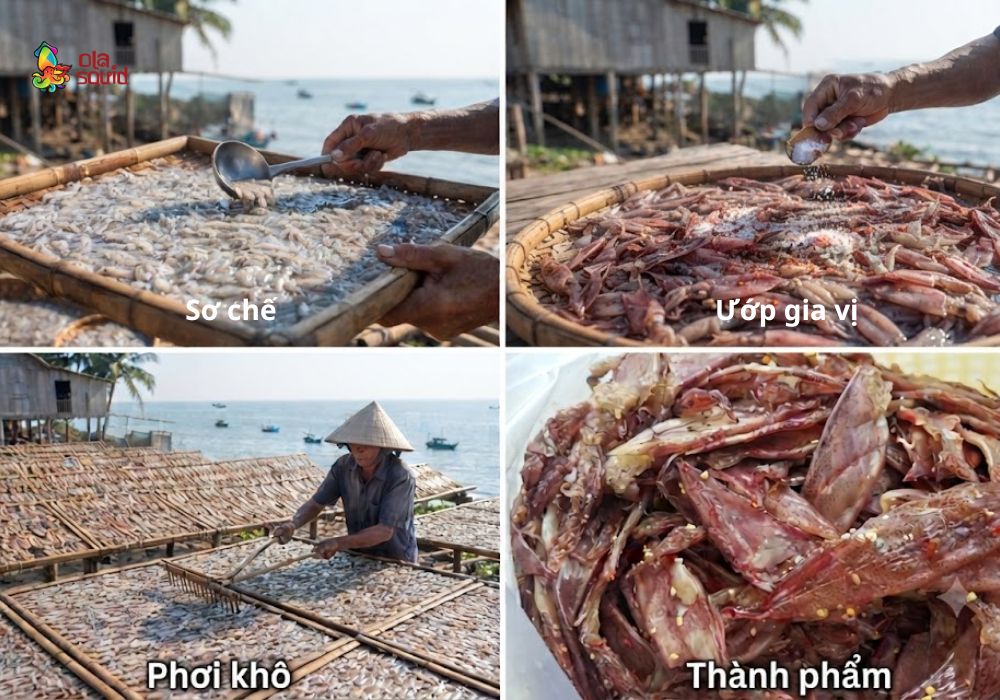
To create tasty dried baby squid with sweet meat and a rich flavor, coastal residents still preserve the traditional handmade method passed down through many generations. Below is the detailed processing procedure:
- Preparation: For larger baby squid, the maker skillfully removes the internal organs and ink sac to avoid bitterness, while small squid is left whole to keep its natural flavor intact. Everything is rinsed several times with seawater or clean water to remove sand, salt and impurities.
- Seasoning: After cleaning, the squid is drained then lightly seasoned with a bit of salt, sugar or natural spices following each region’s own recipe.
- Sun-drying or oven-drying: After preparation, the squid is spread evenly on bamboo racks or nets under strong sun and light sea breeze, and dried for 1-2 days until the body is evenly firm and dry yet still keeps its natural pliability. At some modern facilities, or when the weather isn’t favorable, the squid is oven-dried at a suitable temperature to control moisture, ensuring the finished product’s quality is consistent and its distinctive flavor is preserved.
- Packaging: Once fully dried, the squid is vacuum-packed or placed into clean packaging and stored in a dry place. Some modern facilities also vacuum-seal or freeze it to keep the flavor intact and extend shelf life without needing preservatives.
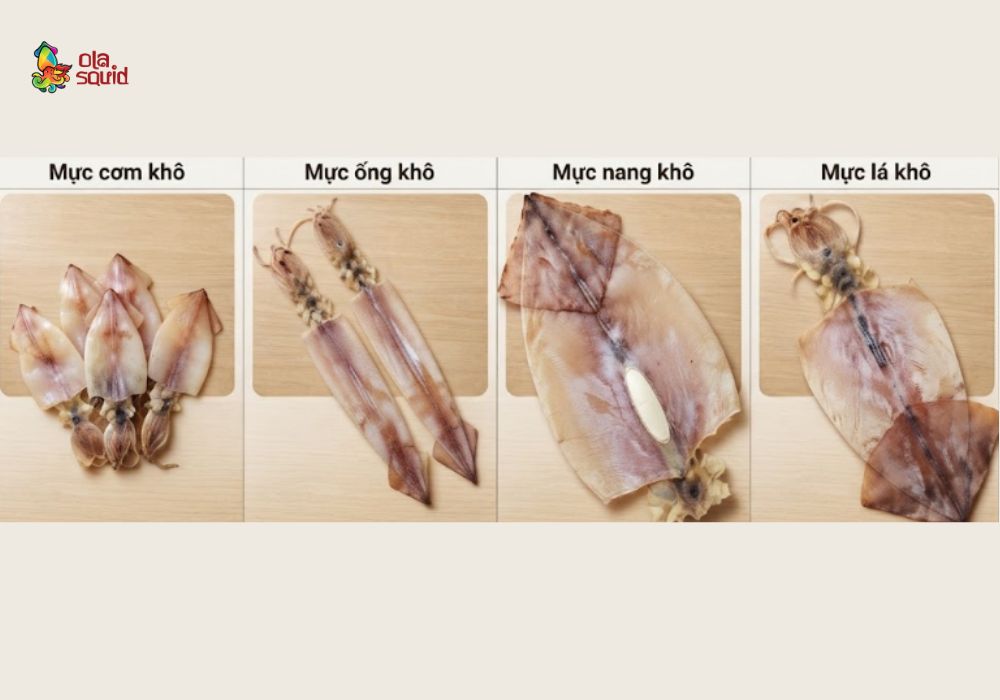
Distinguishing dried baby squid from other types of dried squid
Each type of dried squid has its own characteristics in size, meat thickness and flavor once processed. If you don’t have much experience, you can refer to the comparison table below to easily tell dried baby squid apart from squid, cuttlefish and reef squid.
| Criteria | Dried baby squid | Dried squid | Dried cuttlefish | Dried reef squid |
| Size | Small, short body | Long, slender body | Large, broad body | Wide body, large |
| Meat thickness | Medium-thin, soft | Medium-thick | Very thick, firm | Thick, soft |
| Texture after processing | Chewy soft, easy to bite | Chewy, somewhat firm | Chewy firm, slightly tough | Soft, sweet meat |
| Flavor | Naturally rich sweetness | Light sweetness | Rich flavor, fragrant | Very sweet, distinctively fragrant |
| Suitable dishes | Grilled, braised, fried, salad | Grilled, stir-fried, braised | Grilled, shredded | Grilled, stir-fried, steamed |
Overall, dried baby squid stands out for its small size, soft meat and natural sweetness, making it well suited to braising, frying or grilling. Meanwhile, squid, cuttlefish and reef squid tend to have larger bodies and different meat thickness, so each suits its own cooking method and taste preference.
See more: What is dried mini squid? How much does dried mini squid cost per kg?
How much does 1kg of dried baby squid cost?
Currently, dried baby squid usually ranges in price from 450,000 – 950,000 VND/kg. For products made from carefully selected fresh squid, naturally sun-dried or produced under a standardized process, the price can be higher depending on the season and timing.
The price of dried baby squid is often higher than many people expect because to create a quality finished product, manufacturers must use a large amount of fresh squid and go through many processing stages. Specifically:
- High fresh-to-dried conversion ratio: To produce 1 kg of dried baby squid, about 4 – 4.5 kg of fresh baby squid is needed. During drying or oven-drying, the squid loses most of its water content, so the finished weight drops significantly.
- Costs of preparation, drying and loss: After being caught, the squid must be cleaned, sorted, dried to the standard level of dryness, then packaged for storage. This process incurs labor costs, production time and a natural rate of loss, all of which add to the product’s price.
Guide to choosing tasty and safe dried baby squid
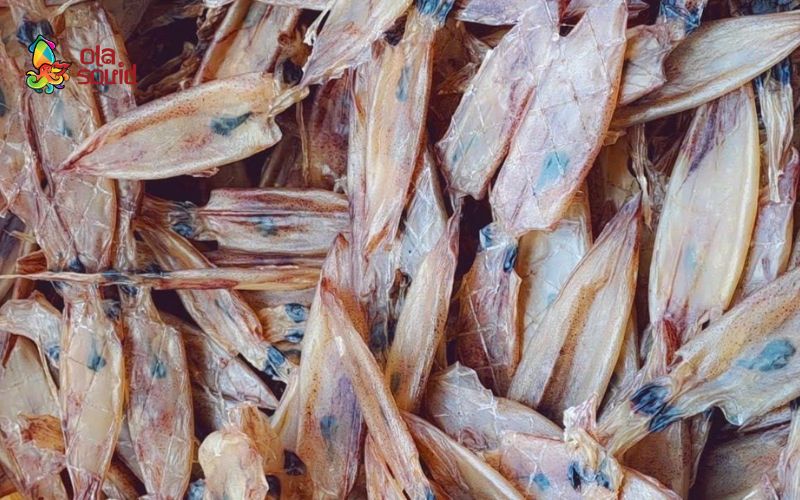
To buy quality dried baby squid, you should pay attention not only to the price but also check the color, aroma, dryness level and origin of the product carefully. Below are the key criteria to help you choose the right, safe and tasty squid.
- Natural color: Choose squid with a natural light pink or light yellow color, a dry surface coated with a thin layer of white powder. Avoid squid that is too white, too dark, or has strange spots.
- Distinctive aroma: Good dried baby squid has a light, distinctive dried-seafood aroma, without any dampness, foul odor or chemical smell.
- Proper level of dryness: Quality squid is usually firm and dry but still retains some pliability; the body shouldn’t be too hard or crumbly. When picked up, it shouldn’t feel sticky or release water.
- No chemical treatment: Prioritize products with a clear origin, natural color and no strange odor. If the squid’s surface looks too shiny, has an unusual color or a pungent smell, you shouldn’t choose it, as it may have been treated with chemicals or preservatives.
Delicious dishes made from dried baby squid
Dried baby squid is an ingredient that can be turned into many appealing dishes. Below are some tasty suggestions you can easily make right at home:
Fragrant grilled dried baby squid
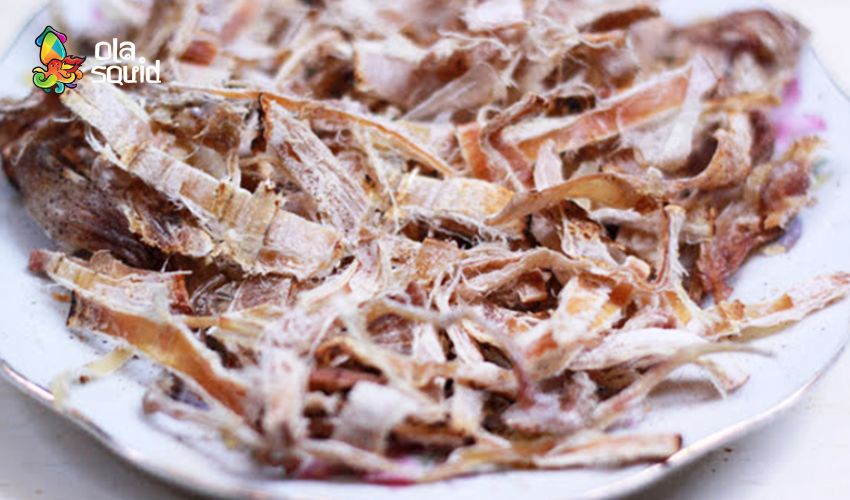
This is a simple way to prepare it while still keeping the distinctive flavor of dried baby squid intact. Simply grill the squid over charcoal or in an air fryer until it releases a fragrant aroma, then dip it in chili sauce or green chili salt for an appealing dish right away.
Dried baby squid braised in tamarind or rich fish sauce
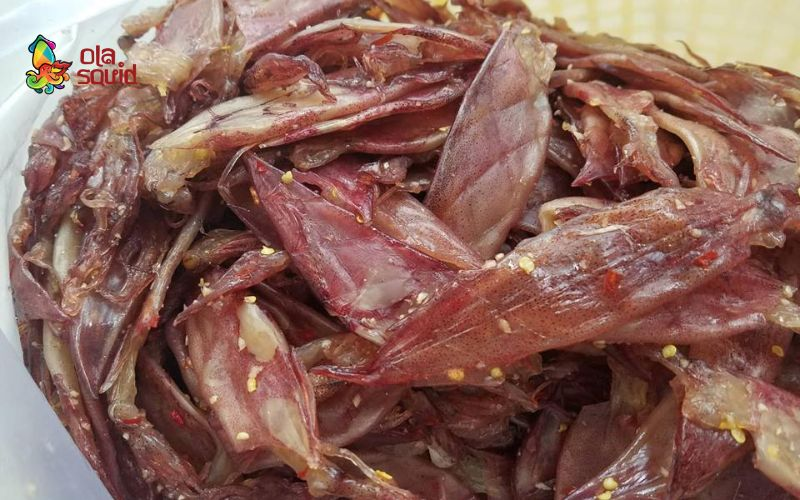
Dried baby squid braised in sweet-and-sour tamarind sauce or garlic chili fish sauce brings a rich flavor, evenly absorbed seasoning and pairs very well with rice. This is also a favorite snack or drinking dish thanks to its harmonious spicy-salty taste.
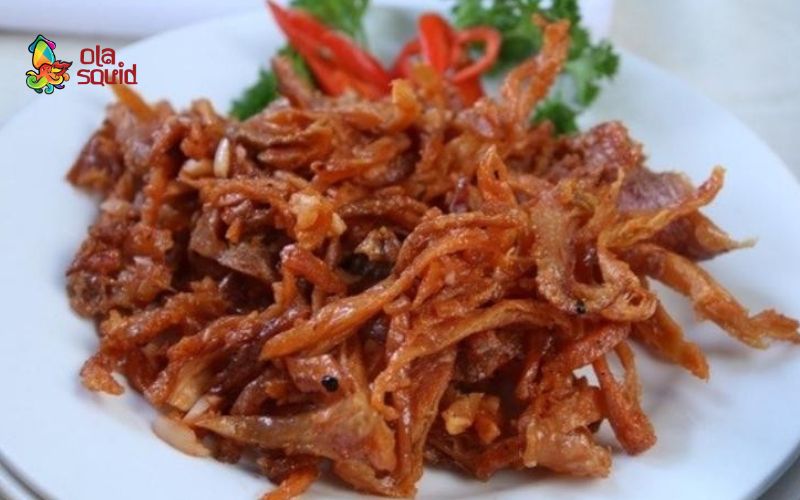
Fried dried baby squid
For this dish, add a little cooking oil to a pan, heat on low, then fry the squid until golden on both sides. Don’t use high heat, to avoid burning the squid or making it too tough. Once golden and giving off a mild aroma, remove it to drain the oil, then enjoy right away with hot rice. The lightly crispy outside and sweet, soft inside will make it hard to put your chopsticks down.
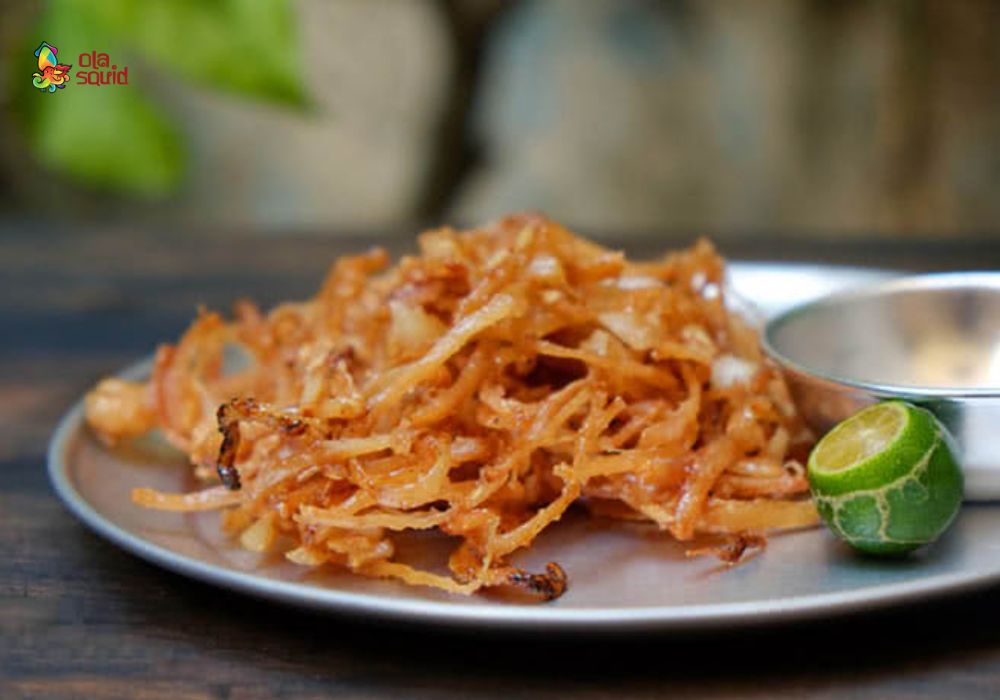
Sweet-and-sour dried baby squid salad
Dried baby squid combined with green mango, fresh herbs and sweet-and-sour fish sauce creates a refreshing salad, balancing sour, spicy, salty and sweet flavors. It’s a great choice for hot summer days or when you want to change up your family meal.
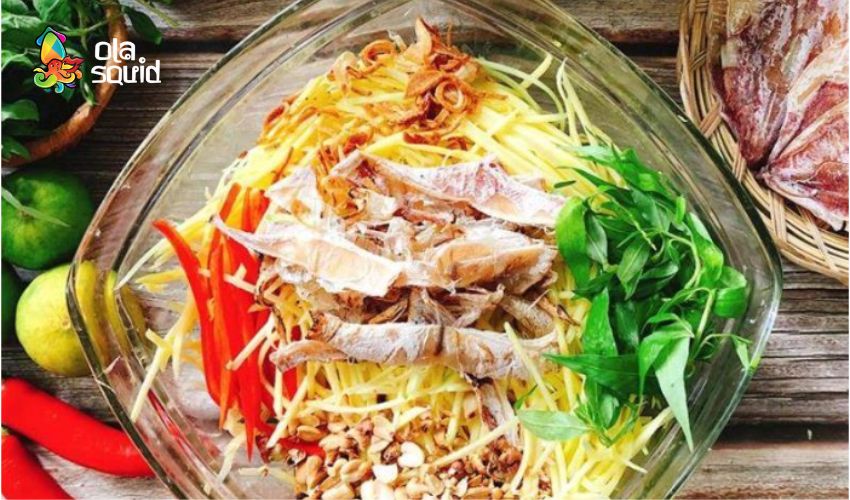
See more delicious dried squid salad recipes:
- How to make crispy, tasty dried squid papaya salad
- How to make refreshing dried squid cucumber salad
- How to make a spicy, sour, crispy dried squid mango snack
- How to make rich, sour and spicy dried squid toad fruit salad
How to properly store dried baby squid
Proper storage helps dried baby squid keep its delicious aroma, limit mold and extend its shelf life. Depending on whether the package has been opened or not, you should apply the appropriate storage method.
Storing before use
If you don’t plan to use it right after buying, store the squid using the following methods to maintain the best quality:
- Seal the squid tightly in a bag or airtight container; vacuum-sealing is preferred if possible.
- Store in the freezer compartment at a temperature of around -18°C or lower to limit the growth of bacteria and mold.
- Avoid opening the bag repeatedly if you don’t need to use it yet.
Storing after opening the package
After opening the packaging, dried baby squid needs to be stored carefully to avoid absorbing moisture and losing quality:
- Seal the bag or container tightly after each time you take squid out to use.
- Store in the fridge or freezer compartment depending on how long you plan to keep it.
- Don’t leave the squid in a damp place, near a heat source, or under direct sunlight.
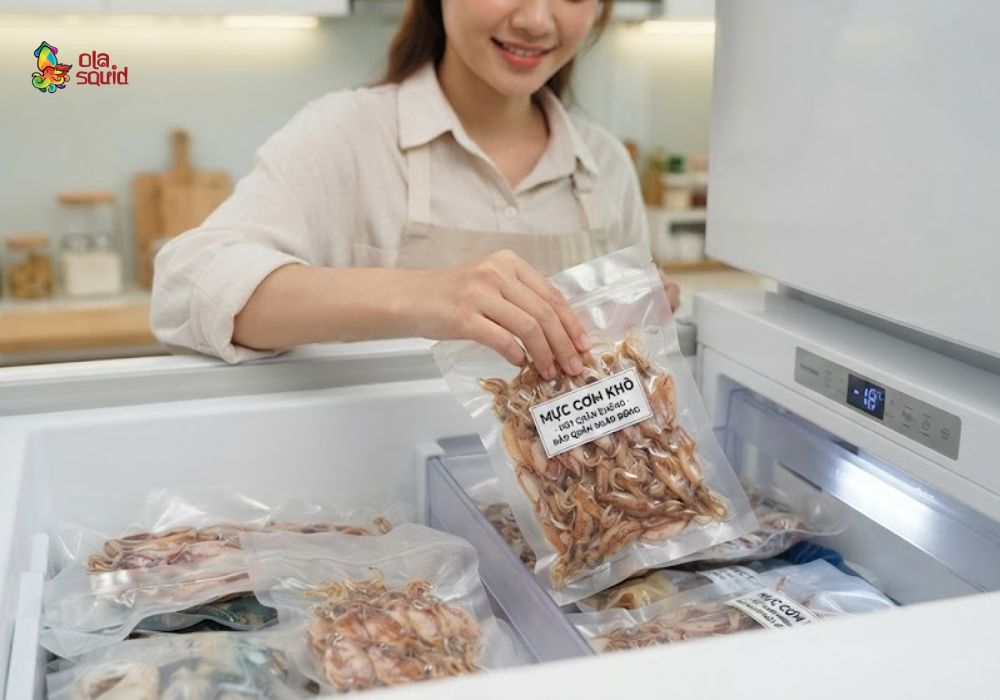
Maximum storage time
If stored properly in the freezer, dried baby squid can remain good for about 10-12 months. In the fridge compartment, the recommended storage time is around 1-2 months. For the best flavor, you should use it as soon as possible after opening the package.
See more: How to properly store dried squid for long-lasting use
Dealing with dried baby squid that’s too hard or slightly moldy
If dried baby squid has become hard from being stored too long, you can soften the dried squid by lightly grilling it over hot coals or in an oven at low heat, then wrapping it in a damp cloth for a few minutes. This helps soften the squid while still keeping its natural sweetness.
In the case where squid shows signs of mold, wipe off the moldy area with a damp cloth then dry it in the sun for a few hours or grill it lightly, but only do this if the mold is minor and the squid doesn’t have a strange odor. If the squid is heavily moldy, damp or has a foul smell, you should discard it entirely to ensure your health safety.
Frequently asked questions about dried baby squid (FAQ)
Does dried baby squid need to be soaked before cooking?
Usually, dried baby squid doesn’t need to be soaked in water before cooking, since it’s dried to just the right level, keeping the meat soft and easy to cook. However, if the squid has become hard from being stored too long, you can soak it briefly in warm water for 5-10 minutes or rinse it with clean water to soften it and remove excess salt before cooking.
Can dried baby squid cause allergies?
Dried baby squid is a natural food, rich in protein and minerals, however some people with sensitive constitutions to seafood may experience mild reactions such as itching or a rash. To stay safe, you should try a small amount first or consult a doctor if you have a history of allergies to squid, shrimp or crab.
Can postpartum women eat dried baby squid?
Postpartum women can absolutely eat dried baby squid as long as it’s cooked thoroughly and eaten in moderate amounts. Squid provides plenty of protein, iron and vitamin B12, helping restore health and boost energy. However, you should avoid eating it too often, or while breastfeeding if the baby shows any signs of a seafood allergy.
Is it safe to eat dried baby squid raw/undercooked?
Even though dried baby squid has already gone through a sun-drying or oven-drying process, the product still needs to be cooked thoroughly before use. Grilling, steaming, frying or braising makes the squid tastier and also limits the risk of microorganisms, ensuring food safety and reducing the risk of digestive upset.
Hopefully, through this article, you now have a clearer understanding of dried baby squid, from its characteristics and reference prices to how to choose and store it properly. If you’re looking for quality dried squid with a clear origin to prepare delicious dishes for your family, check out the products at Ola Squid and choose the type of squid that suits your needs!