
 Tiếng Việt
 ไทย
ไทยDuring the processing of squid, many people often discard the dried squid ink sac, believing it has no use. However, in Traditional Chinese Medicine, the squid ink sac is considered a precious medicinal ingredient with numerous effective health benefits. So, what is the squid ink sac used for and what should be noted when using it? To answer these questions, let’s delve into the details in the article below!
1. What is a Squid Ink Sac?
The squid ink sac, also known as cuttlebone, is the hard part inside the squid’s body that helps support its body and maintain balance while swimming. The squid ink sac is considered a precious medicinal ingredient and is the bone of squids and cuttlefish when dried.
This is a calcareous part, oval-shaped and long, with an average size of 10-16cm in length and about 3.5-6.5cm in width. High-quality cuttlebone, when dried, will be opaque white or ivory, lightweight, porous, slightly brittle, and easy to break. The dorsal side often has small, speckled dots covered by a hard, brittle membrane, and the ventral side is smooth, sometimes with a transparent pale yellow film.

After harvesting, the cuttlebone is washed to remove sea salt, sun-dried, and used as a medicinal ingredient. In traditional medicine, the outer layer is often scraped off, and the bone is ground into a fine powder or cut into small pieces for decoction.
In some squid species like cuttlefish, this part is well-developed and contains a high content of calcium carbonate, calcium phosphate, gelatin, and other mineral salts. These components make cuttlebone a valuable medicinal ingredient in traditional and modern medicine for treating various ailments.
2. What are the Benefits of a Squid Ink Sac?
The squid ink sac (cuttlebone) is not only a bony structure protecting the squid’s body but also a precious medicinal ingredient used in both Traditional Chinese Medicine and modern medicine. This medicinal ingredient is highly valued for its notable benefits, including:
- Due to its high calcium carbonate content, the squid ink sac helps neutralize stomach acid, reducing heartburn, acid reflux, nausea, and indigestion.
- The gelatin (pectin) forms a protective layer on the mucous membrane, aiding in the treatment of stomach and duodenal ulcers and reducing irritation.
- This medicinal ingredient helps regulate hormones and reproductive health, such as treating nocturnal emission, spermatorrhea, leucorrhea, and metrorrhagia in women.
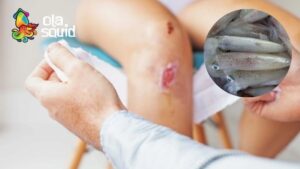
- Dried and powdered squid ink sac has rapid hemostatic properties, making it useful for application on bleeding wounds, ulcers, and sores.
- It can be used topically to treat boils, sores, ear discharge, or to disinfect minor infected wounds.
- It aids children with slow growth, helping to supplement minerals, especially calcium, for strong bone development.
- It treats digestive disorders, effective in cases of diarrhea, dysentery, or abdominal pain due to cold.
- It can inhibit cholinergic nerve transmission, helping to reduce spasms and limit gastric secretion.
3. Traditional Remedies Made from Squid Ink Sac
The squid ink sac (cuttlebone) is flexibly used in many traditional Đông y remedies, primarily in the form of fine powder, decoctions, or medicinal foods, to help treat conditions ranging from stomach issues to reproductive health, blood disorders, and ear, nose, and throat problems.
- Gastric and Duodenal Ulcers, Heartburn, Bloating: Take 40g of squid ink sac, 12g of Fritillary bulb (Bối mẫu), and 24g of Licorice root (Cam thảo), grind into a fine powder. Take 4-5g per dose, 2-3 times a day. It can be mixed with rice congee or rice water to drink.
- Gastric Bleeding: Combine cuttlebone and Bletilla striata (Bạch cập) in a 1:1 ratio, grind into a fine powder. Take 5g per dose, 3 times a day.
- Vomiting Blood, Metrorrhagia, Rectal Bleeding: Grind cuttlebone into a fine powder. Take 1-2g per dose, drink with rice water or a decoction of Bletilla striata. Use multiple times a day until bleeding stops.
- Relieving Constipation, Belching, Heartburn: Use a remedy consisting of cuttlebone, licorice root, and fritillary bulb (in appropriate proportions), ground into a fine powder. It is recommended to drink 30 minutes before meals, twice a day, with 6g per dose.

- Belching, Nausea After Eating: 20g cuttlebone, 6g Zingiber officinale (Thổ bối mẫu), 12g licorice root (Cam thảo), ground finely, sifted into powder. Take twice a day, 30 minutes before meals.
- Nosebleeds: Cuttlebone and Sophora japonica flower buds (half of them toasted until golden), ground into a fine powder, lightly blown into the nose.
- Open Wounds with Bleeding: Mix cuttlebone with pine pollen and borneol, grind into a fine powder, and sprinkle directly onto the wound to stop bleeding.
- Asthma, Wheezing, Excessive Phlegm: Heat cuttlebone on a tile until golden, then grind into a fine powder. Dosage for adults is 8g per dose, for children 3g per dose, taken twice a day.
- Nocturnal Emission, Spermatorrhea, Kidney Deficiency: Grind cuttlebone into powder. Take 3g per dose, 2-3 times a day.
- Ear Inflammation with Discharge: Grind cuttlebone into a fine powder. Combine with musk if necessary. Use a clean cotton swab to dip the powder and gently apply it into the ear.
- Minor Burns: Burn cuttlebone into charcoal, mix with sesame oil/coconut oil to form a paste, and apply twice a day to promote skin healing (according to National Library of Medicine).
4. Precautions When Using Dried Squid Ink Sac as a Medicinal Ingredient
Although the squid ink sac (cuttlebone) offers many health benefits, users should exercise caution during use to ensure safety and achieve the best results:
- Do not use for individuals with kidney stones or calcium excess, as dried squid ink sac contains a large amount of calcium carbonate, which can lead to calcium accumulation with prolonged use.
- Individuals with Yin deficiency and a hot constitution should avoid using it, as cuttlebone has a warming nature and may exacerbate Yin deficiency and internal heat.
- To alleviate constipation when using cuttlebone long-term, ensure you drink at least 2 liters of water daily and consume plenty of green vegetables in your diet.
- Exceeding the recommended dosage or indiscriminate combination with other herbs can lead to adverse effects. Therefore, consult a professional before use.
- Pregnant women, young children, and individuals with underlying health conditions should use it with caution and require specific instructions from a doctor or traditional medicine practitioner.
- When treating external wounds, it is preferable to use finely powdered cuttlebone and apply it directly.
See more:
- Does Squid Have a Spine? Interesting Facts About Squid
- Can Squid Ink Sacs and Eyes Be Eaten? Are They Good or Toxic?
We hope this article has helped answer your initial question, “What is the squid ink sac used for,” and provided some insights into medicinal remedies made from squid ink sacs. However, to ensure safety and effectiveness, it is advisable to consult with a specialist before using any traditional remedies. Thank you for reading, and don’t forget to visit the OlaSquid website to discover more useful information!
Home | Shop | Dried Squid Snack | Flattened Dried Squid | Whole Dried Squid