
 Tiếng Việt
 ไทย
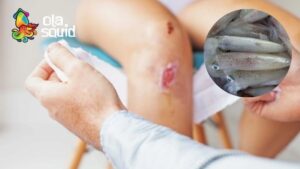
ไทย“Does eating squid cause keloid scars?” is a very common question for many people when they are injured, after surgery, or simply taking care of their skin after acne. Folklore has long suggested that eating squid (and seafood in general) can easily cause wounds to scar, develop keloids, become itchy, or turn dark.
But what is the truth behind this? Is squid really the culprit that makes wounds difficult to heal, or is it just a misunderstanding passed down through generations? In this article, Ola Squid will explore with you the connection between eating squid and the formation of keloid scars from a scientific and modern medical nutritional perspective.
What is a keloid scar?
To understand whether eating squid causes keloid scars, we first need to understand the nature of keloid scars. A keloid is the result of an overgrowth of collagen fiber tissue during the skin’s recovery phase after an injury. When the skin is damaged by scratches, surgery, burns, or severe acne, the body activates a process to regenerate new tissue.
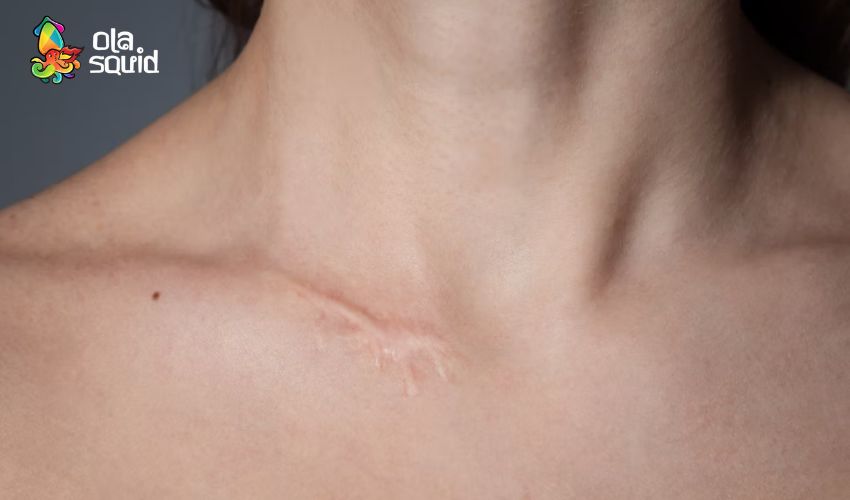
However, if this reaction is stronger than normal, the amount of collagen produced exceeds the needs of the wound, leading to scar tissue that “protrudes,” is hard, and sometimes darker than the surrounding skin.
Characteristics of keloid scars:
- Raised, hard surface, often shiny and smooth.
- May be itchy or slightly painful.
- Spreads wider than the original wound area.
Keloid scars are not dangerous, but they significantly affect aesthetics and psychology, especially on the face, neck, or chest. Some people have a specific physical constitution that is prone to keloids even from small scratches. So, where does the connection between squid and keloid scars originate?
Does eating squid cause keloid scars?
General explanation regarding the link between squid and keloids
According to folk beliefs, squid is “fishy” food, and fishy food is prone to causing toxins, protruding flesh, and preventing scars from healing smoothly. However, from a modern nutritional science perspective, there is no medical evidence proving that eating squid directly causes keloid scars. The true cause of keloids does not lie in the food, but in the excessive biological response of the body during the skin recovery process.
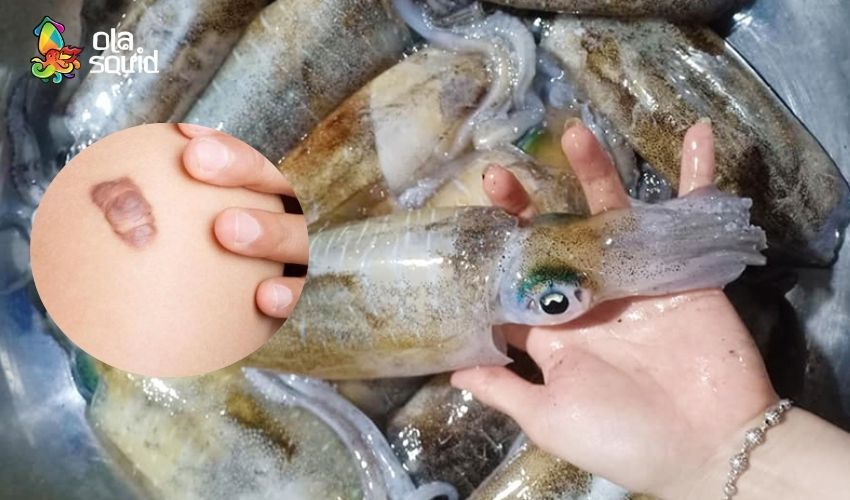
From a nutritional science viewpoint, squid is a food very rich in protein, taurine, zinc, and vitamin B12—substances necessary for tissue regeneration and skin cell recovery. The protein in squid helps the body rebuild damaged tissue more quickly.
However, precisely because this protein content is so abundant, if consumed in excess while the skin is recovering, the body may produce excessive collagen, leading to keloid formation – especially in people with a keloid-prone constitution.
Additionally, fresh sea squid sometimes contains a certain amount of salt, histamine, and natural bacteria. If unsanitary squid is consumed, it can cause a mild inflammatory response, making the wound take longer to heal and increasing the risk of bad scarring.
Therefore, eating squid does not directly cause keloid scars, but if eaten excessively during the skin recovery phase, or if the body has a keloid-prone or inflammation-prone constitution, squid can indirectly cause the scar to develop poorly.
Reasons why many people are concerned about squid causing keloids
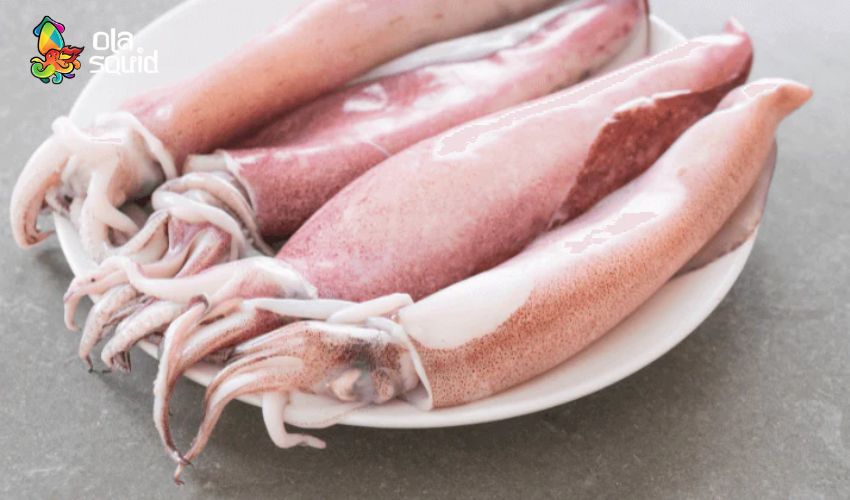
- High protein content in squid: Squid is a source of pure protein, which is very good for the body, but this abundant protein stimulates collagen synthesis. In normal people, collagen helps wounds heal quickly. But for those with a keloid constitution, this overproduction causes skin tissue to protrude, creating a scar.
- Impact of word-of-mouth psychology: Traditionally, our ancestors often avoided seafood when injured because “eating fishy food prevents the skin from joining.” Although there is no scientific basis, this habit has become a cultural word-of-mouth norm, making many people hesitant even without a real reaction.
- Confusion between keloid and hypertrophic scars: Hypertrophic scars are hard, red scars, but they do not spread. Many people, after eating squid, notice the wound feels a bit hard and assume it is a keloid, while it is actually just a normal inflammatory response of new tissue.
- Improperly processed squid: Squid that is not fresh or is stored incorrectly can easily be contaminated with Vibrio parahaemolyticus bacteria, a type of bacteria that can cause soft tissue inflammation and infect the wound. Therefore, eating low-quality squid sometimes indirectly worsens the wound, rather than the squid itself.
Who should be particularly careful when eating squid with an open wound?
Even though squid doesn’t cause scars, the following individuals should limit or control their intake during the skin recovery phase:
- People with a congenital keloid constitution: their bodies react strongly to collagen regeneration, so they need to be careful with high-protein foods, including squid, shrimp, and crab.
- People with a history of seafood allergies: if they have ever experienced itching, hives, swollen lips, or diarrhea after eating squid, they should abstain completely.
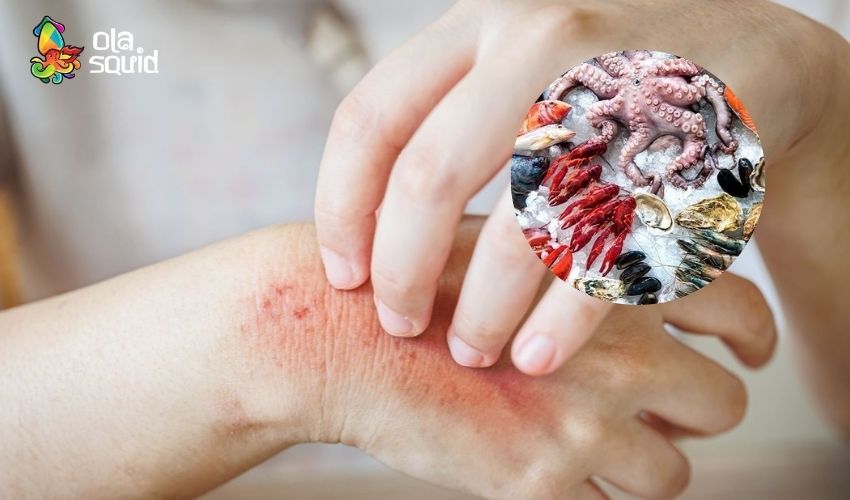
- People with open, infected wounds: squid is high in protein and minerals, which can make the wound feel hot and prolong healing time if the body is severely inflamed.
For normal people, eating squid 2–3 times/week, with 100–150g each time, is reasonable, ensuring sufficient nutrition without causing irritation.
How long should you abstain from eating squid after getting an open wound?
If you have just undergone surgery, had a tooth extraction, a C-section, or have a deep scratch, you should abstain from eating squid for the first 7–10 days. This is the stage where new tissue is forming and the inflammatory response is still strong.
Once the wound begins to dry, scab over, and is no longer swollen, you can eat squid again in small amounts, about 50g per serving. Monitor your body’s reaction; if there are no signs of itching or redness, you can gradually increase the portion.
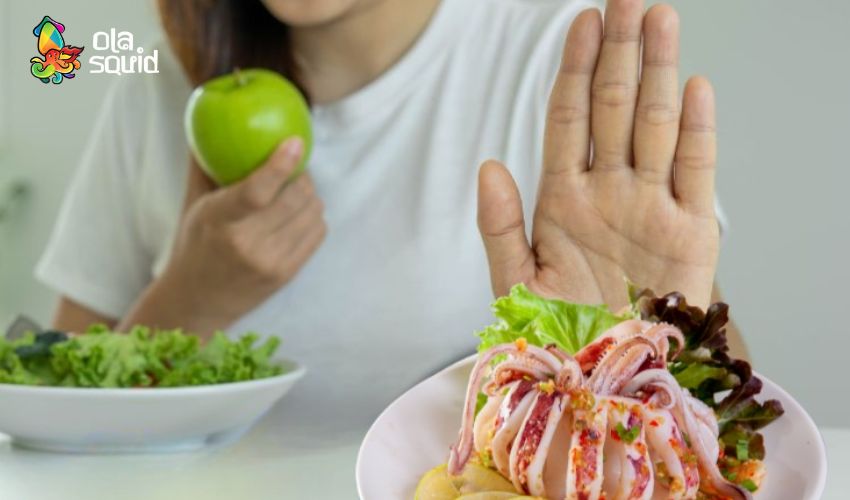
Note: This abstinence is preventive, not because squid directly causes scars, but to avoid irritation while the skin tissue is still young and weak.
Besides squid, what other foods should be avoided to prevent keloids?
During the skin recovery process, besides the question of whether eating squid causes keloid scars, you should also note other food groups that may affect the ability to heal smoothly:
- Beef: can make the new skin area darker, easily leaving dark spots.
- Chicken: for those with a scarring constitution, chicken can sometimes cause itching or irritation at the newly healed skin area.
- Sticky rice: such as sticky rice cakes, which easily cause swelling and pus, especially in wounds that have not yet dried.
- Chicken eggs: can make the new skin area look mottled and uneven in color.
- Shrimp, crab, sea fish: similar to squid, these contain a lot of protein that easily causes itching if the body is sensitive.
However, these are only relative recommendations, not absolute prohibitions. The important thing is to listen to your body; if you eat the above foods without any abnormal reactions, you can absolutely consume them in reasonable doses.
Foods you should eat to support wound healing and prevent keloid scars
For skin to recover quickly, fade scars, and avoid keloid formation, you should prioritize the following food groups:
Foods rich in vitamin C:
- Helps synthesize collagen correctly, limiting keloids.
- Found in: oranges, grapefruit, kiwi, guava, strawberries, broccoli.
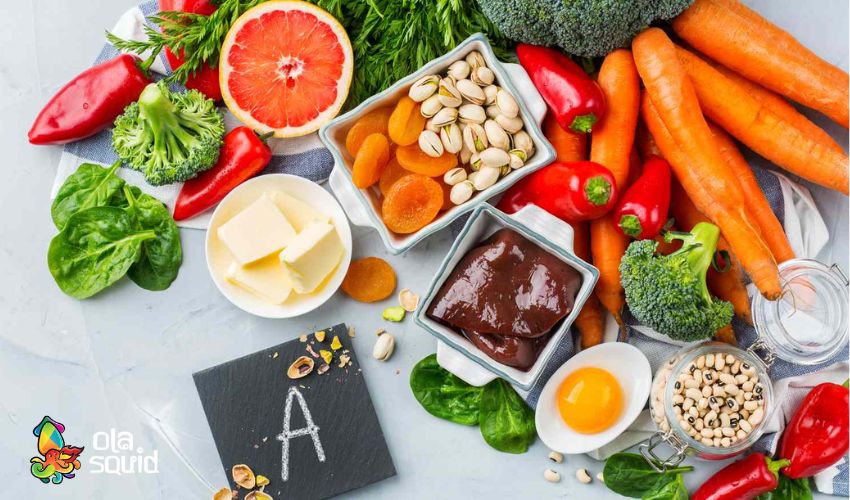
Foods rich in vitamin A and E:
- Support skin cell regeneration and reduce inflammation.
- Found in: carrots, pumpkin, olive oil, chicken eggs (eat the white, skip the yolk if you fear uneven color).
Foods rich in zinc and selenium:
- Help wounds dry quickly and increase immunity.
- Found in: whole grains, pumpkin seeds, soybeans, seafood (eat once the wound has dried).
Drink plenty of water and supplement natural collagen:
- Water helps soften scar tissue, while collagen helps skin elasticity, limiting protrusion.
- You can consume bone broth, seaweed soup, or fresh coconut water.
A balanced diet, rich in vitamins and low in saturated fats, is the natural therapy that helps the skin heal quickly without needing too many medications.
Proper wound care to avoid keloid scars
Besides a reasonable diet, proper skin care is the decisive factor in whether you develop a keloid scar.
- Clean the wound daily: Use a mild antiseptic solution like physiological saline, avoiding vigorous rubbing.
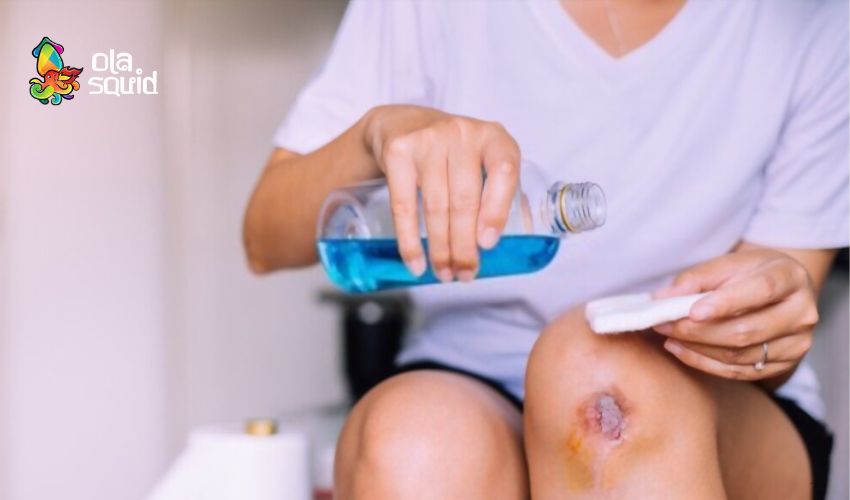
- Do not pick at scabs: This is the most common mistake. Picking scabs early damages the young tissue, increasing the risk of keloids.
- Moisturize the skin properly: Apply moisturizers containing panthenol, vitamin E, or tea tree oil to keep the skin soft and help the scar shrink quickly.
- Avoid the sun: UV rays darken the skin, making keloids more noticeable. When going out, cover up well and apply sunscreen with SPF ≥ 30.
- Use specialized scar prevention products: After the skin has closed, you can use gels containing silicone, allantoin, or onion extract—ingredients proven to help inhibit collagen overgrowth.
In summary, eating squid does not cause keloid scars; this is confirmed from the perspective of modern medical nutrition. However, for those with an allergic constitution or during the inflammatory stage, limiting squid for the first few days after an injury is advisable.
Keloid scars do not come from food, but from the body’s overreaction during the healing process. To prevent scars effectively, you need to combine a healthy diet, proper wound care, and especially maintain a relaxed spirit, as stress can also affect the tissue recovery process. Once your wound has fully recovered and you’re ready to enjoy high-quality seafood again, feel free to visit our dried squid shop to choose the best products for your health. Refer to more great articles in the Ola Squid Blog!